
There are places on the map where you have to look super closely to see that they’re there and that there’s something unique about them.
Abyei is one of them.
Technically, it is not a country…not ONE country at least. It is not fully Sudan. It is not fully South Sudan. It is a condominium: a territory claimed by both nations and administered under special arrangements after South Sudan’s independence in 2011. For decades, it has been politically disputed: oil reserves, migration routes, ethnic tensions, and the kind of colonial-era border decisions that continue to age badly.
On paper, Abyei reads like a hot mess.
In person, it reads richer than I’d ever imagined.
How We Got There
I was fortunate to visit with an exceptionally well-traveled group of folks from Most Traveled People (MTP), a global community of travelers who don’t just chase passport stamps but the edges of maps. (If you’re curious click the link!)
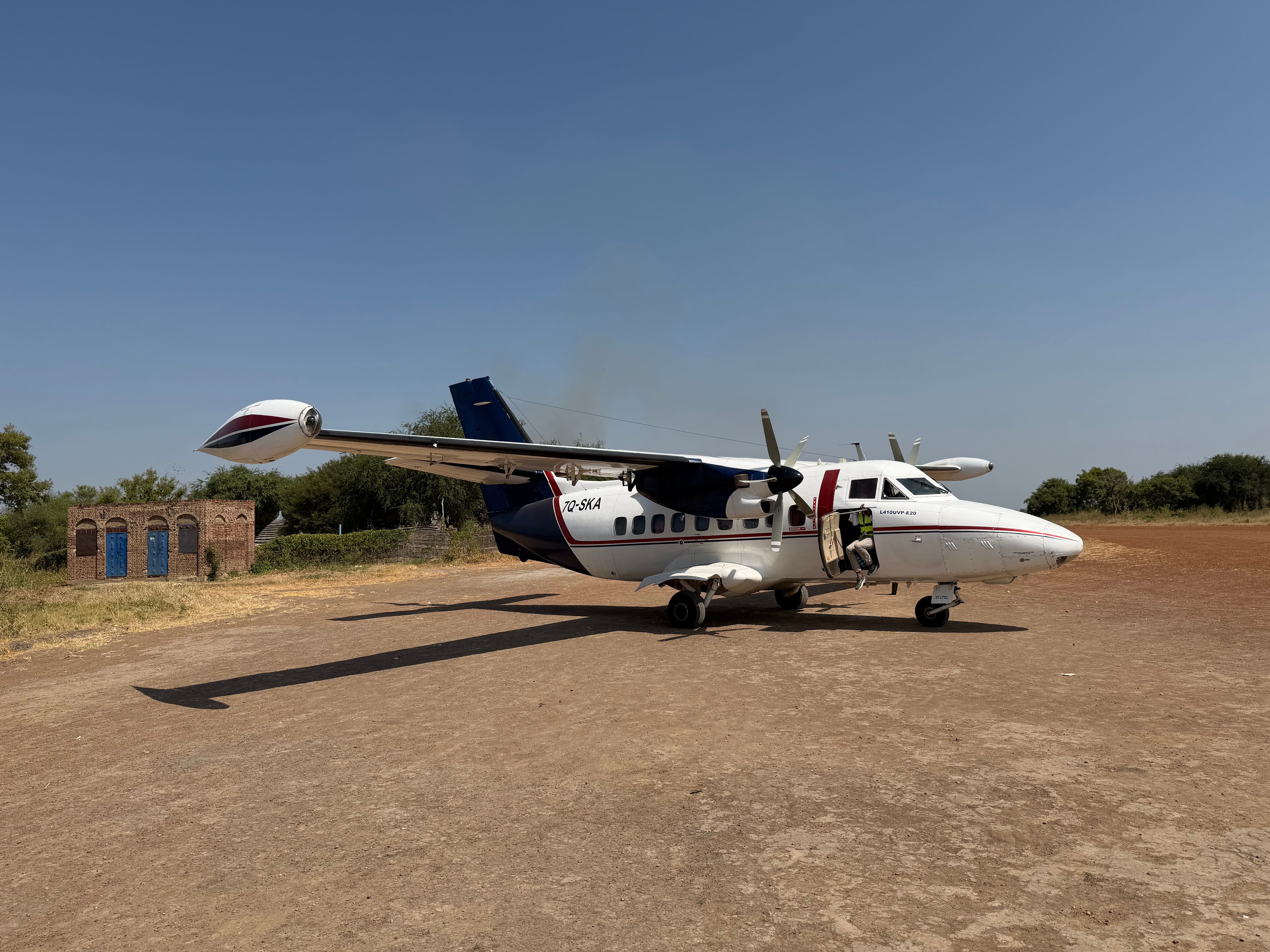
We chartered a small plane into Agok airstrip, a dirt lane of gravel and dust that feels more like a hastily-assembled afterthought than real infrastructure.
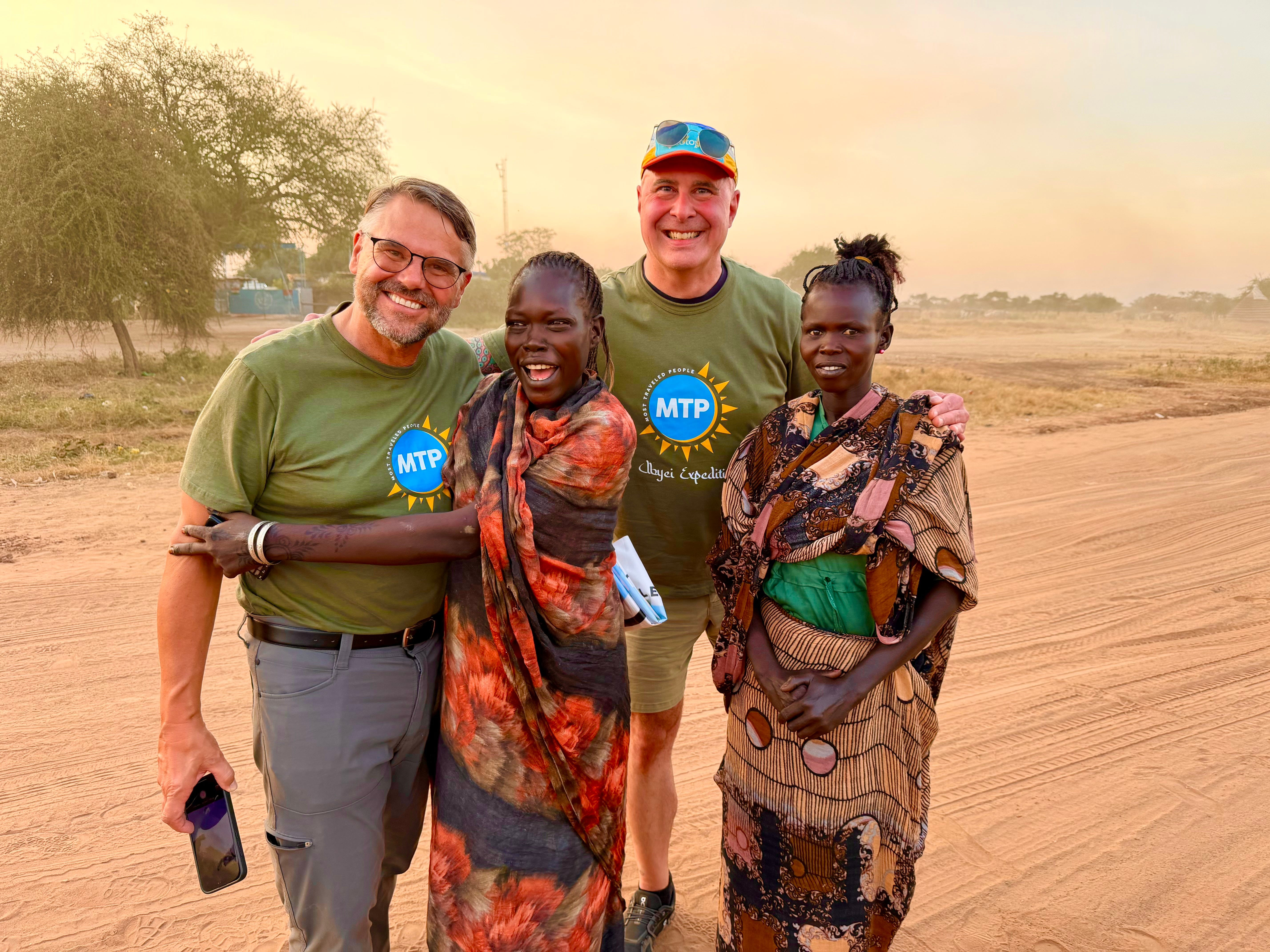
From there, it was a few-hour drive over some of the worst “roads” I’ve ever traveled into Abyei town. No dramatic border arch. No cinematic checkpoint scene. Just open land and the quiet awareness that you’ve entered one of the world’s most politically ambiguous spaces. And then…almost instantly…“Abyei” stopped being a headline and became names, faces, and laughter.
The History Everyone Quotes
Abyei sits between Sudan and South Sudan and has long been contested. The region is home primarily to the Ngok Dinka people, while Misseriya pastoralists from the north migrate seasonally through the area. When South Sudan voted for independence in 2011, Abyei’s own referendum on whether to join Sudan or South Sudan was never fully implemented. Tensions escalated. Armed clashes occurred. Political agreements stalled.
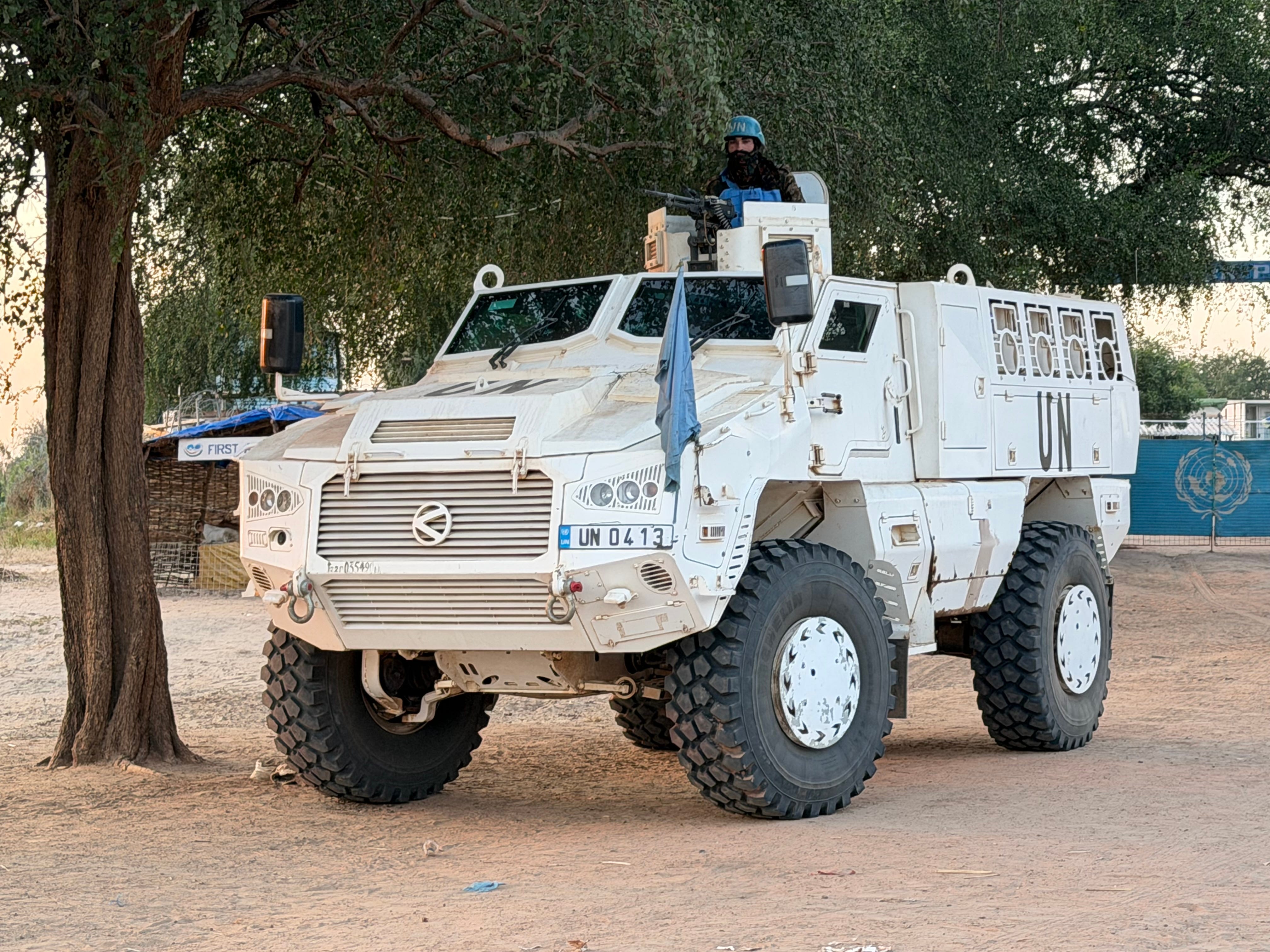
The United Nations maintains a peacekeeping mission here, and several of the soldiers were kind enough to share their stories with us. Now let this sink in: disputed conflict zone and who are the peacekeepers? Indians and Pakistanis. Working side by side to REDUCE conflict. Sometimes you have to come to the “ends” of the Earth to find solutions that should be painfully obvious.
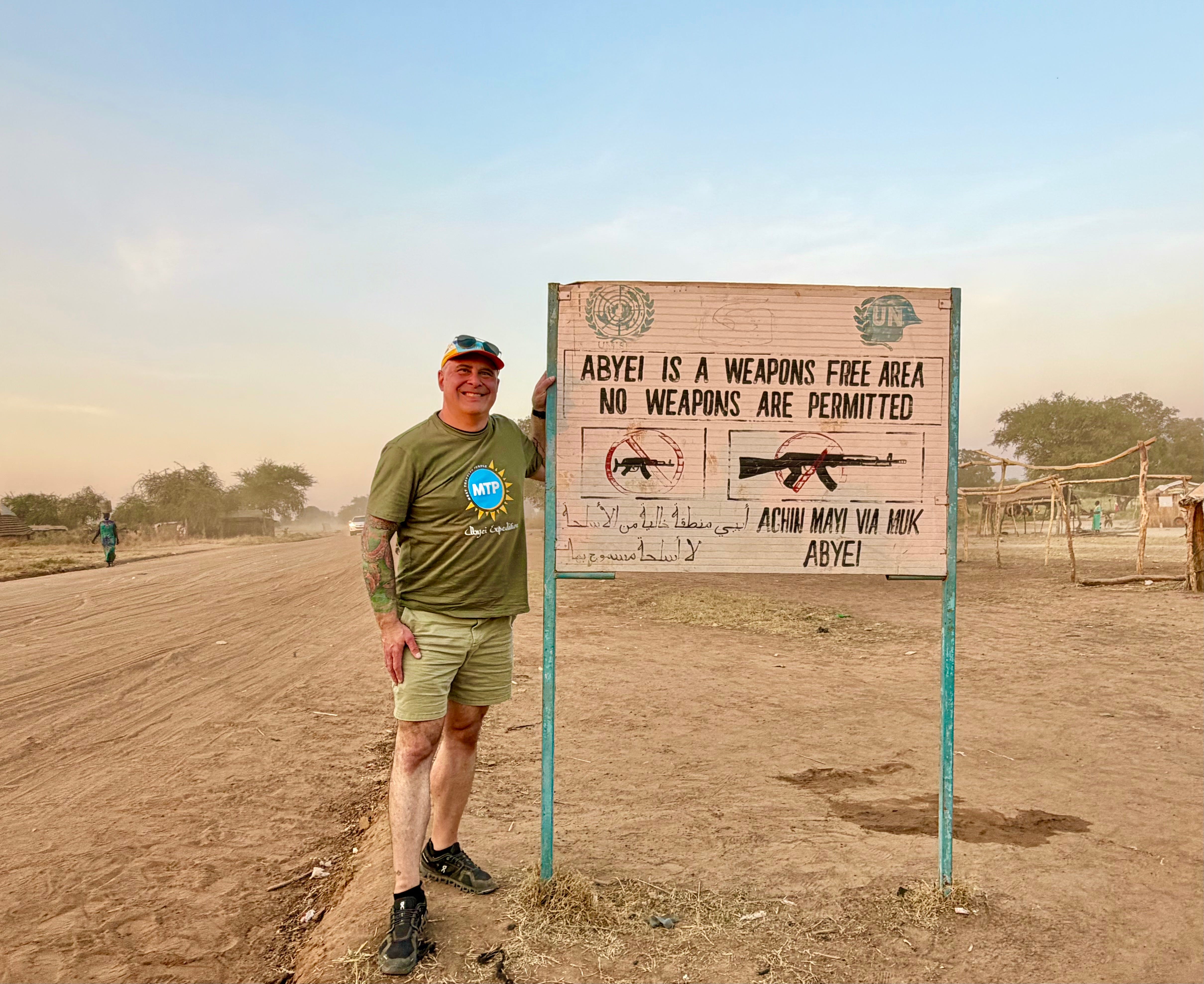
There are signs all over Abyei declaring the area weapons-free. Given we had a security detailed that was rather well-armed this felt like more of a suggestion than a rule.
All of that is real. All of it matters.
But it’s not the whole story.
What You Actually See
Walk through Abyei town and you don’t walk into a battlefield. You walk into a living, breathing mass of humans living life day to day.
Livestock move through the dust like they own the place…because they do.
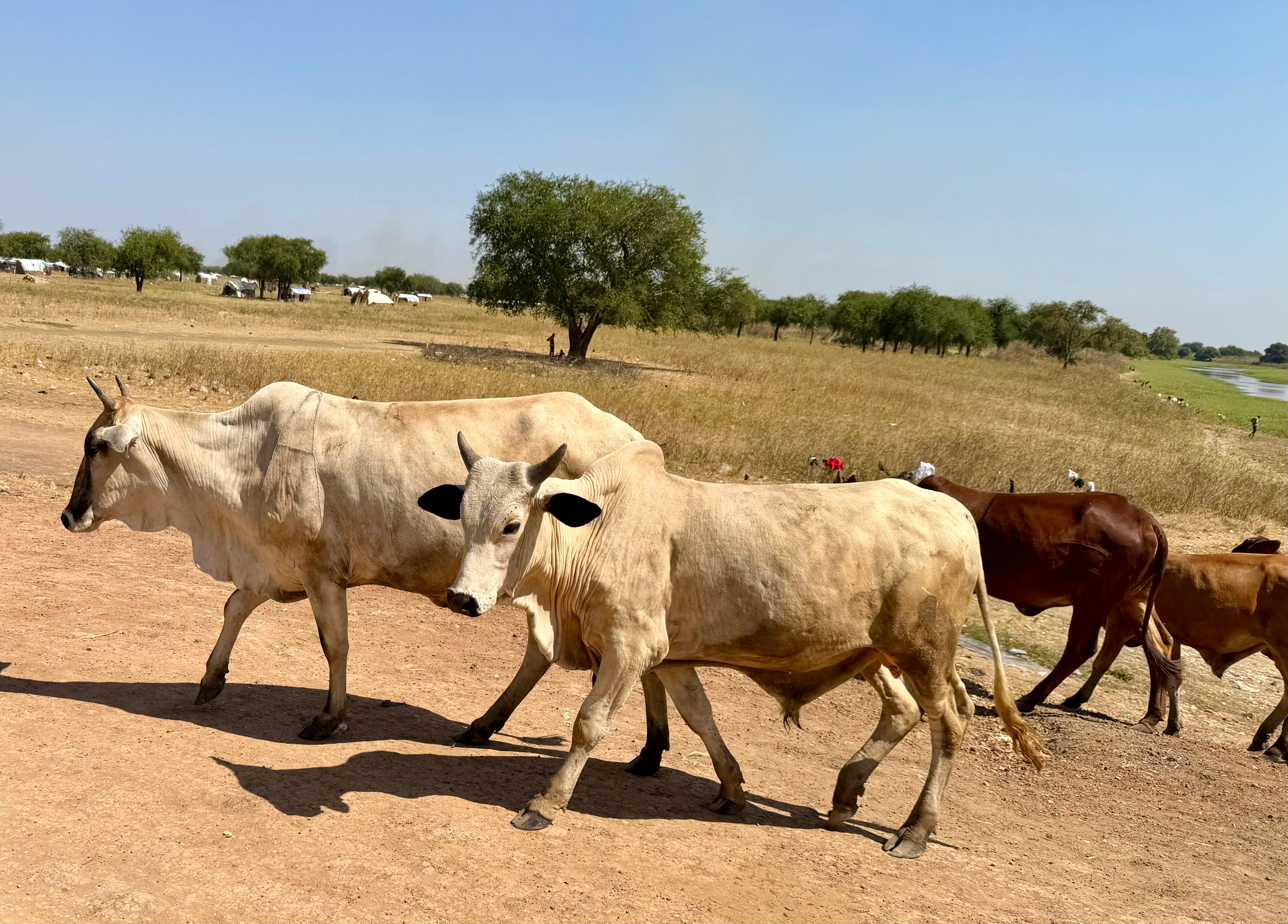
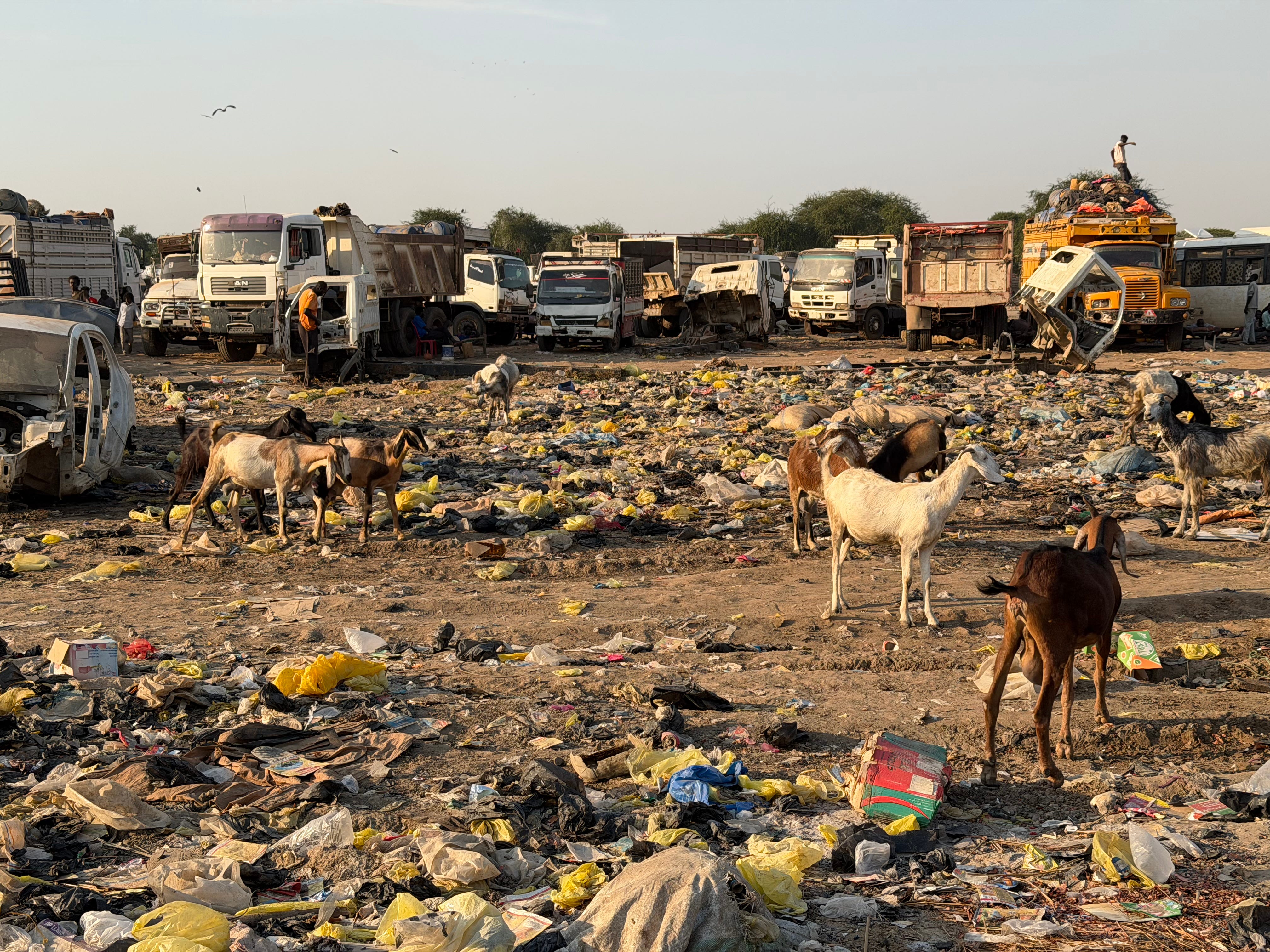
Trucks unload goods. Vendors negotiate. Goats yeet themselves through strewn rubbish like chaotic interns hyped up on caffeine.
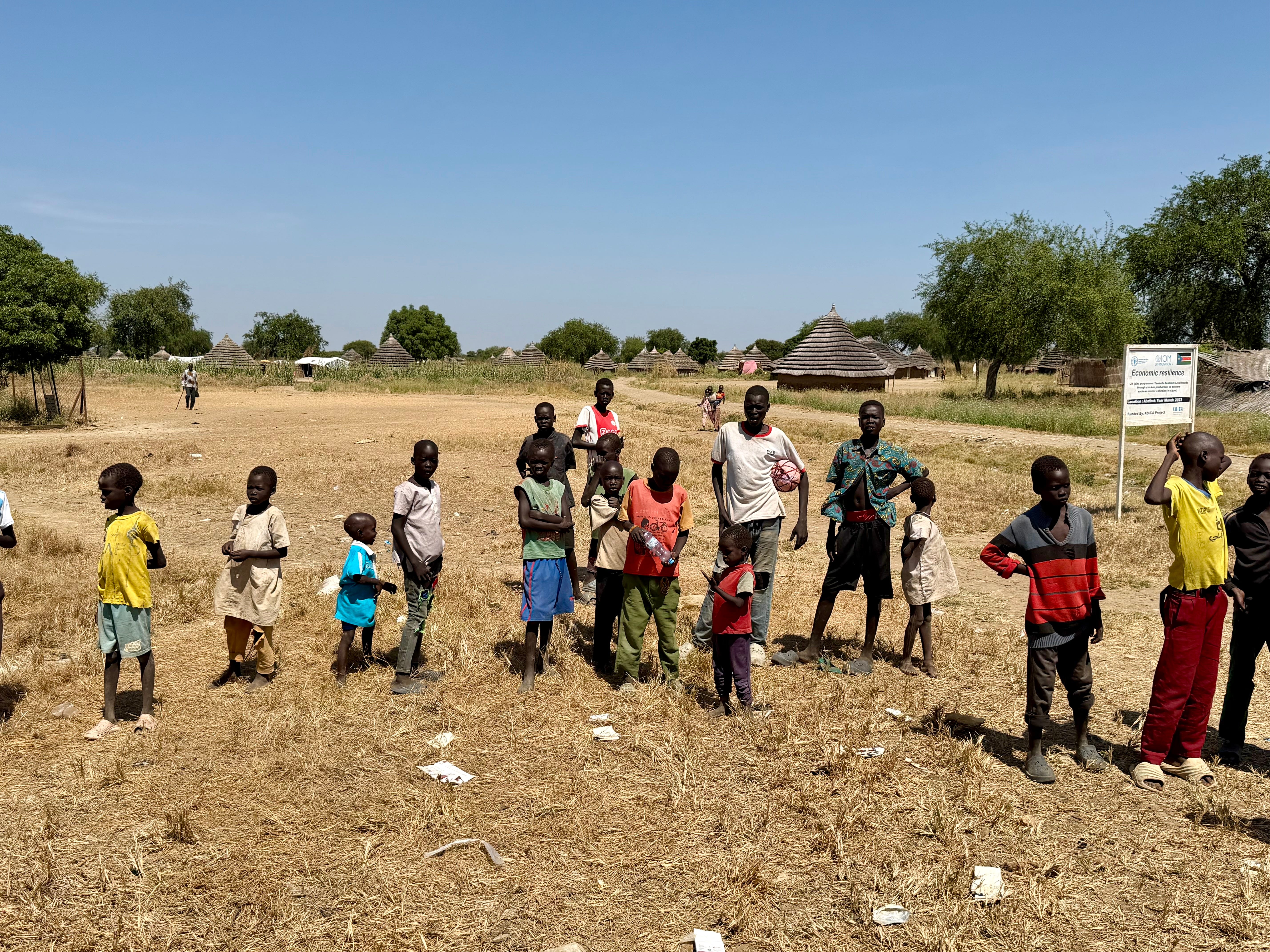
Children gather around you, curious and amused. They ask where you’re from, why you’re there. They’re genuinely curious in that honest way only children can be.
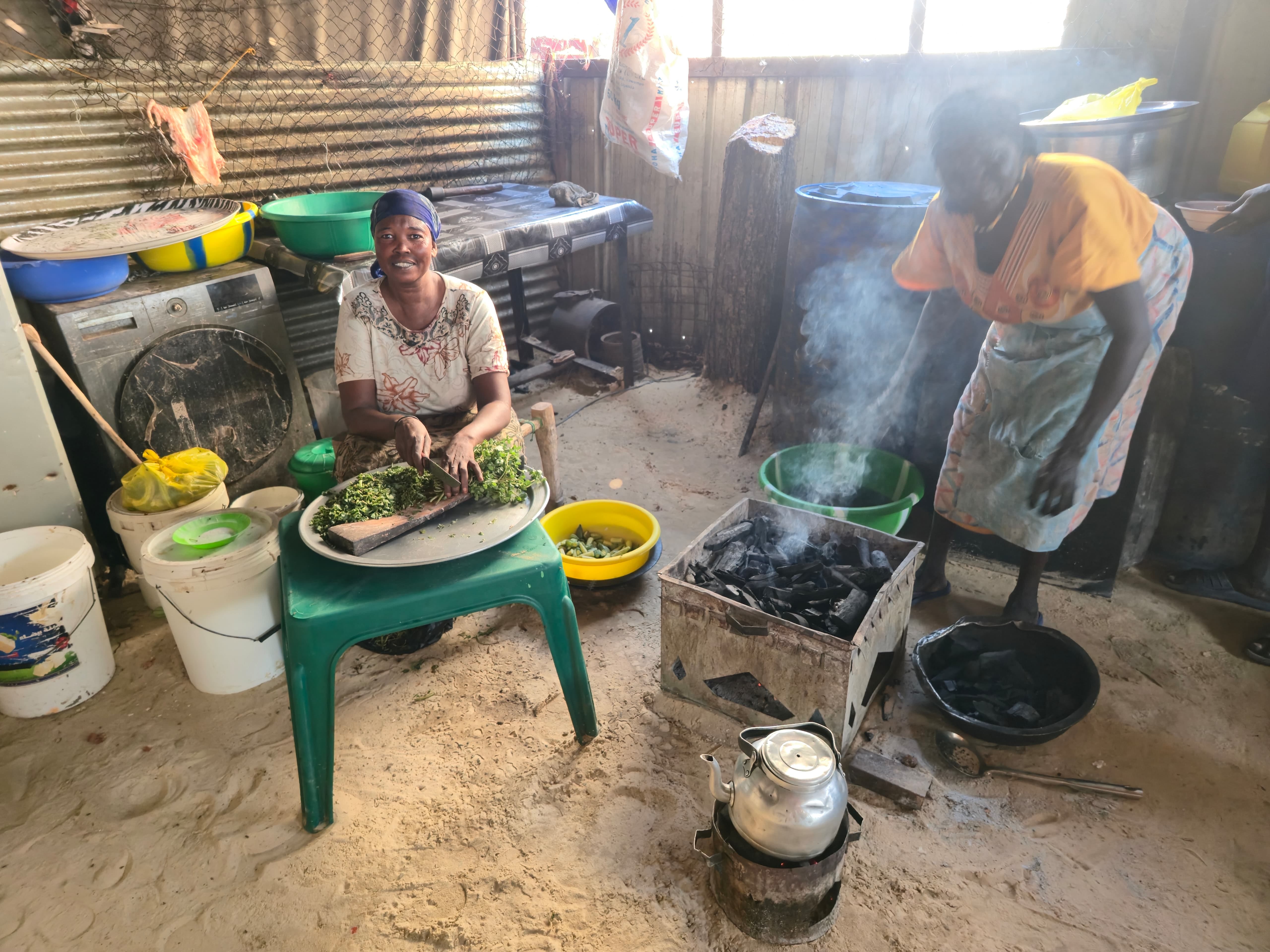
Women prepare food over charcoal stoves in small roadside restaurants, chopping greens and boiling water in dented kettles as thick smoke curls toward corrugated metal roofs.
A nearby waterway cuts through the landscape, quiet and indifferent to political theory.
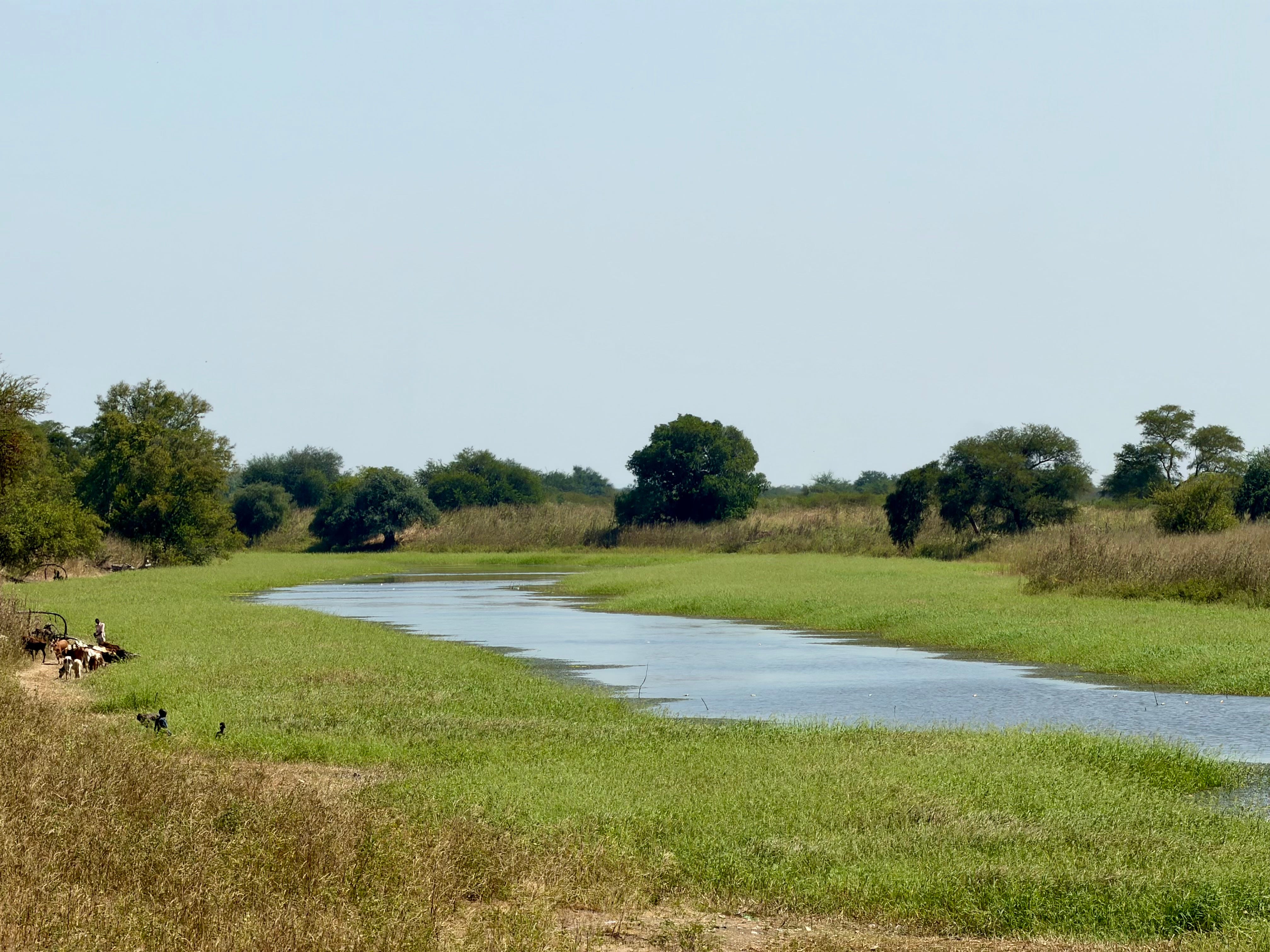
As we settled down for the night in our compound (complete with armed guards) I went for a run through Abyei town that evening (yes, I actually wanted to keep my running streak alive THAT much) as the sky softened and kids played in the potholed roads. The best part? Kids were amazed…and ran after us…and with us. It was magical. It was ALIVE.
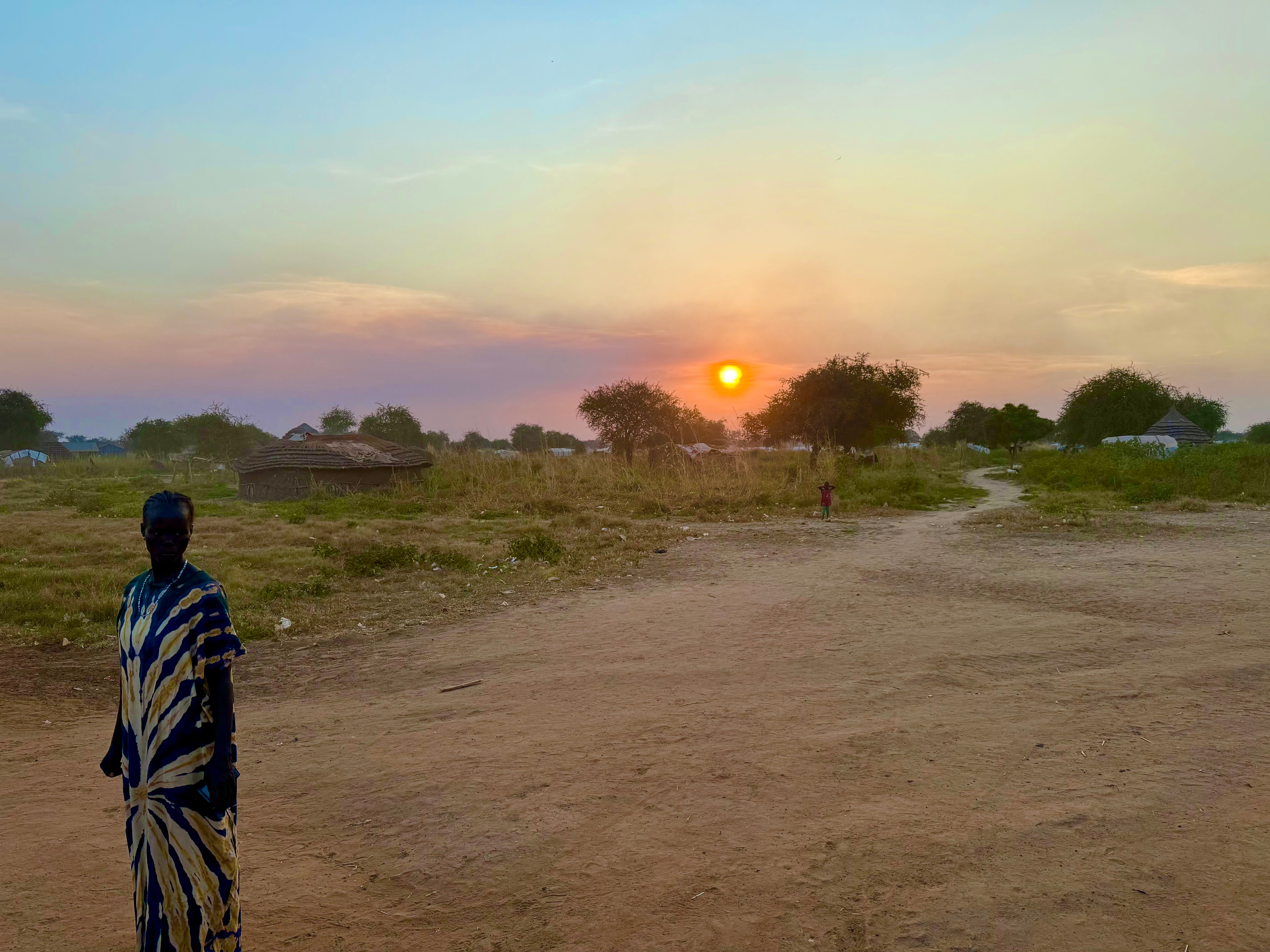
If you only knew Abyei from headlines, that image probably wouldn’t compute.
But that’s the point.
The Part the Media Rarely Shows
Conflict zones are often presented as static and singular, defined entirely by instability. And yes, the political fragility here is real. The tension is not theoretical. But even in a place like Abyei, normal life does not wait for perfect governance.
Kids go to school.
People open shops.
Families argue about dinner.
Someone worries about exam results.
Someone laughs.
The extraordinary thing about humanity is how stubbornly ordinary it remains.
That’s the part that rarely makes it into the evening news. Because normalcy doesn’t trend. It doesn’t spike engagement. It doesn’t slap as hard as crisis footage.
But it’s 99% of what we experience in our short time on this spinning blue marble.
And that’s why I travel.
Not to collect danger points. Not to cosplay as a war correspondent. But to experience places firsthand and form my own understanding: beyond the algorithm, beyond the headline, beyond the narrative I’m handed.
When you stand in a place labeled “disputed” and watch someone stir a pot over charcoal while a kid chases a tire down the road, something recalibrates. The world becomes more complex…and infinitely more human.
You realize how much of your perception has been pre-packaged.
And how much richer reality really is when you experience it for yourself.
Practical Notes for Visiting Sensitive Regions
If you’re considering travel to politically fragile or disputed areas:
Go with experienced operators who understand the security dynamics.
Respect local people…you are a guest, not an anthropologist on safari.
Avoid sensationalizing what you see.
Listen and look way more than you talk.
Remember that “fragile” does not mean “void of normal life.”
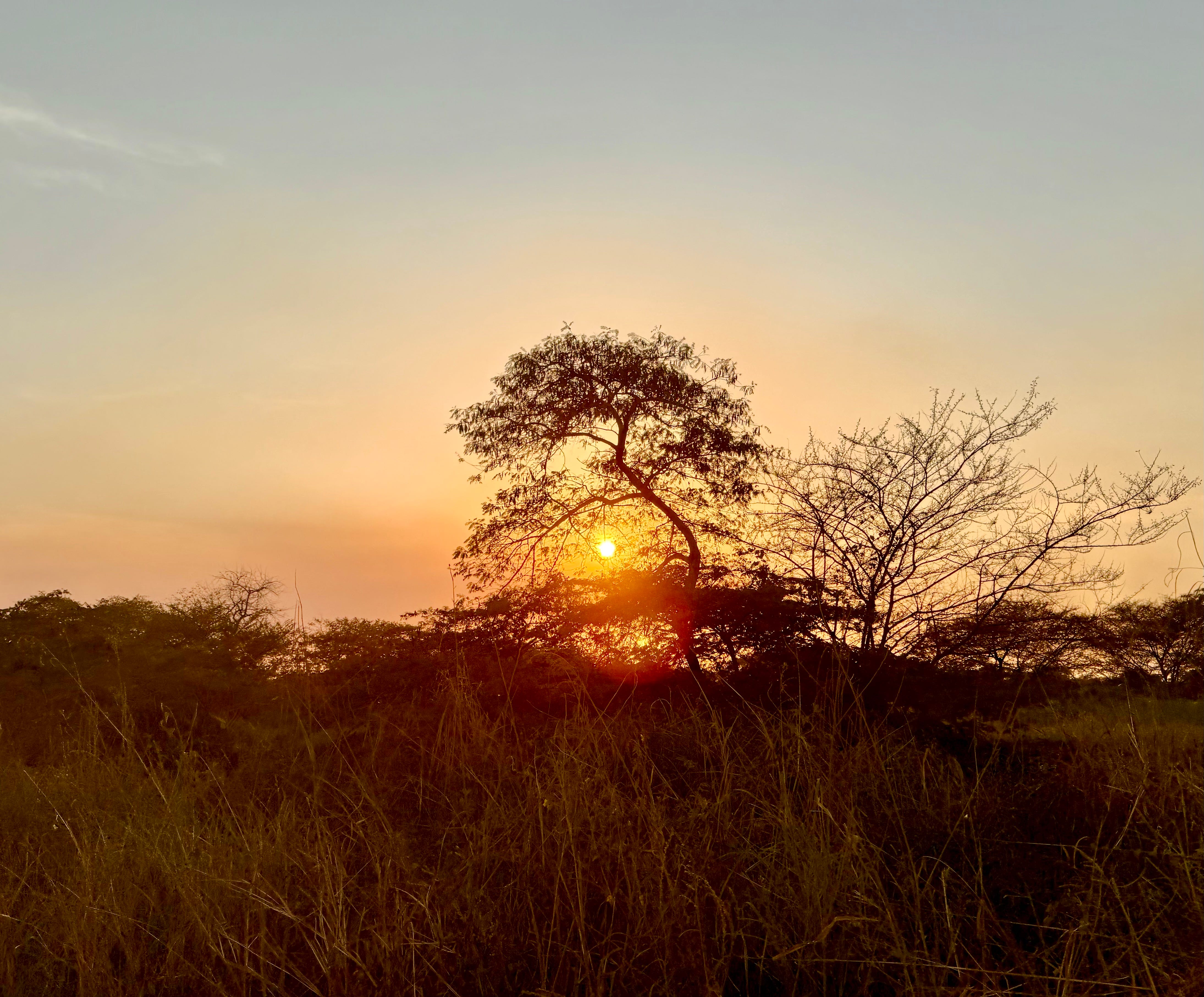
Travel will not solve geopolitical disputes.
But it will solve something in you.
It replaces abstraction with experience. It replaces assumption with nuance. It reminds you that even in the in-between spaces of the map, life persists: stubbornly, beautifully, and very much off-camera.
And honestly?
That perspective hits harder than any headline ever could.