
It is very easy to derisk your life.
You can stay home, sit on the couch, watch TV, avoid difficult places, avoid difficult people, avoid uncertainty, and build a routine where almost nothing truly unexpected ever happens. You can convince yourself that this is wisdom. After all, if you never go anywhere, never try anything, and never expose yourself to unfamiliar situations, the odds of something going sideways drop dramatically. Unless, of course, the house burns down. Or your health fails. Or life finds some other way to remind you that total safety is mostly an illusion.
That is the problem with a fully “derisked” life. It may feel safer in the short term, but it is definitely not more rewarding. And at some point, whether we admit it or not, most of us are not really asking how to avoid all risk. We are asking a deeper question: what makes life worth living in the first place?
There is a quote often associated with Thoreau that hits me hard:
"I went to the woods because I wished to live deliberately, to front only the essential facts of life, and see if I could not learn what it had to teach, and not, when I came to die, discover that I had not lived"
That, to me, gets to the core of travel and of risk. The goal is not to eliminate uncertainty from your life. The goal is to avoid waking up one day realizing that you spent decades trying so hard to protect yourself from the essence of life that you forgot to actually live it.
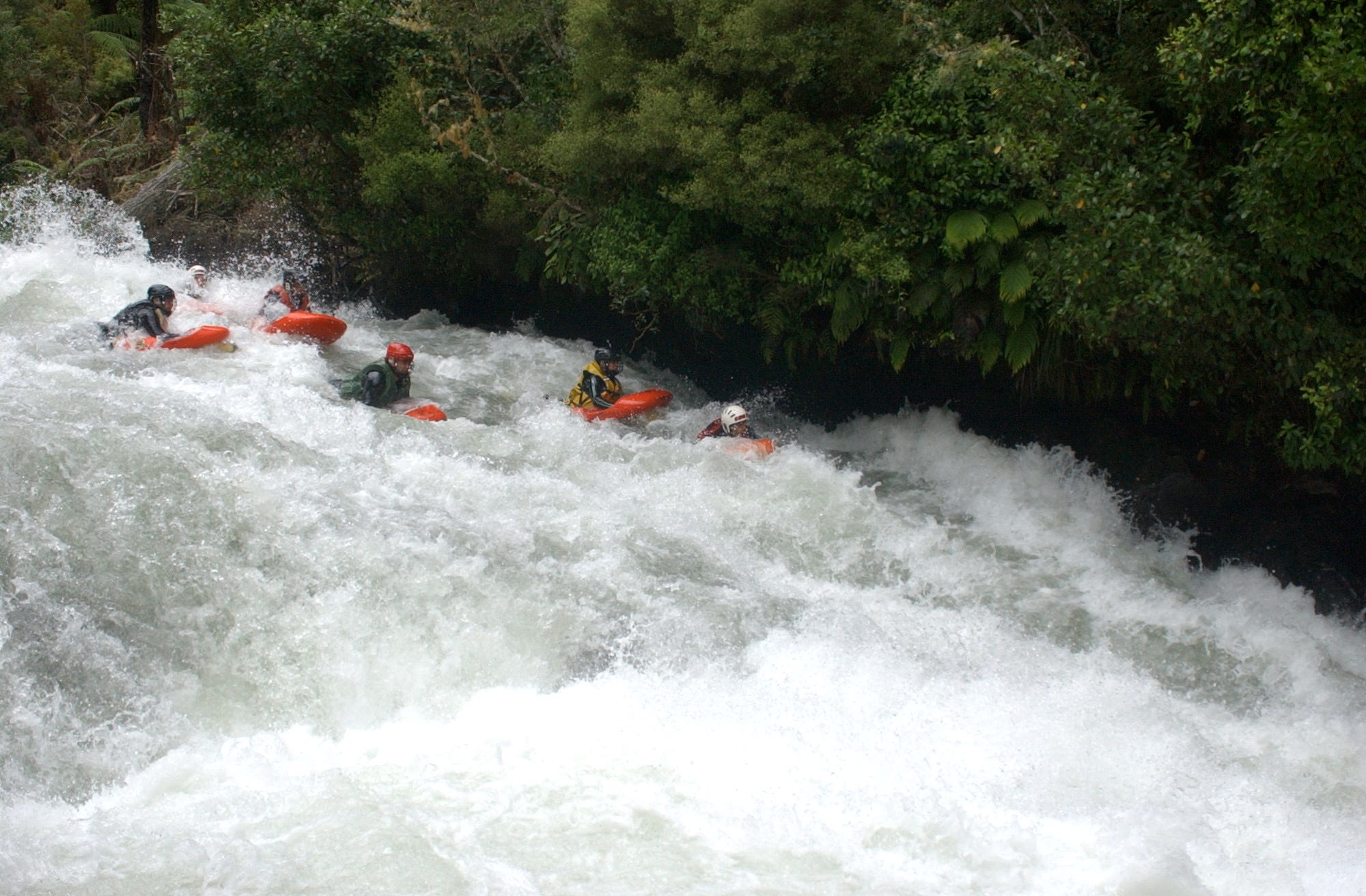
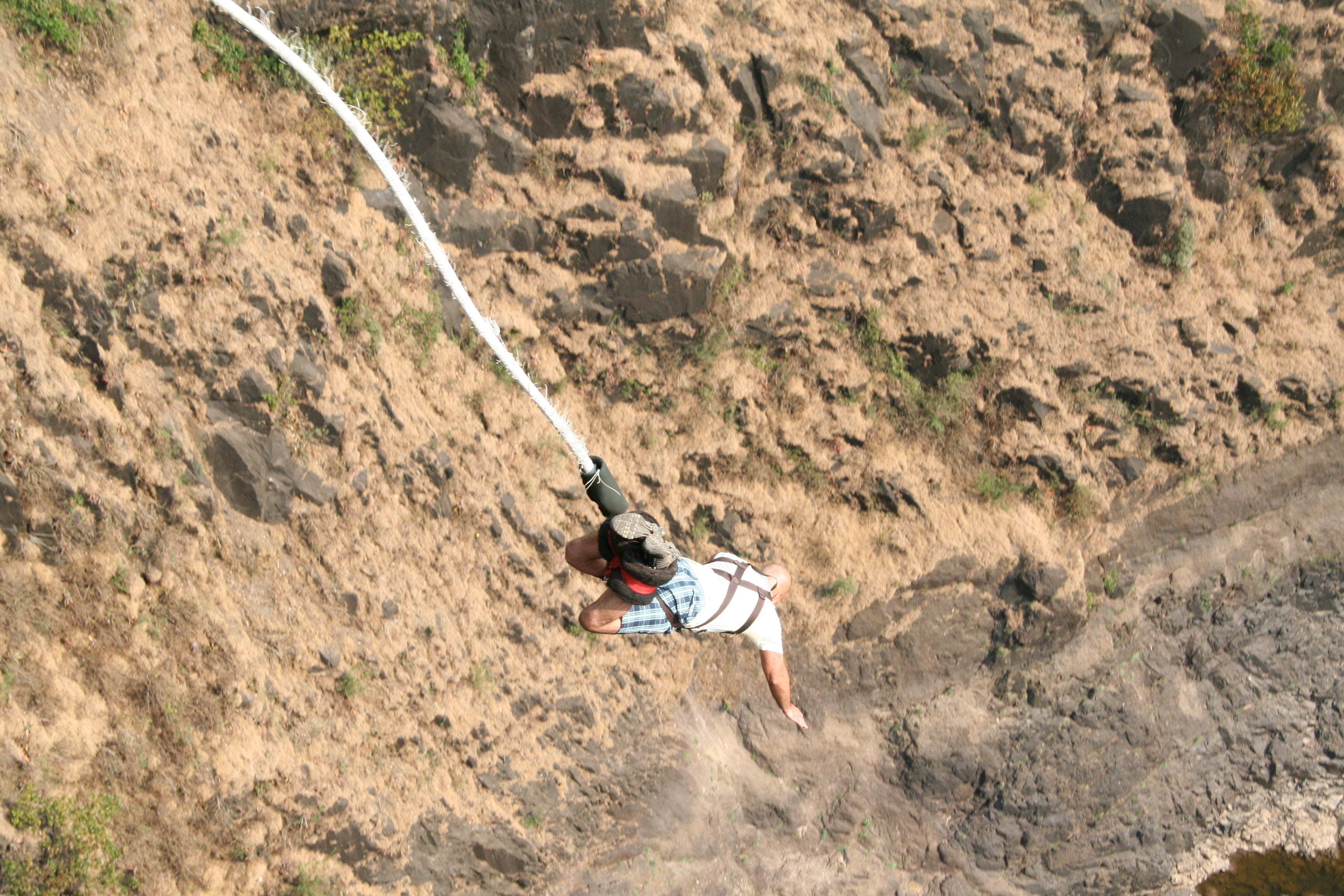
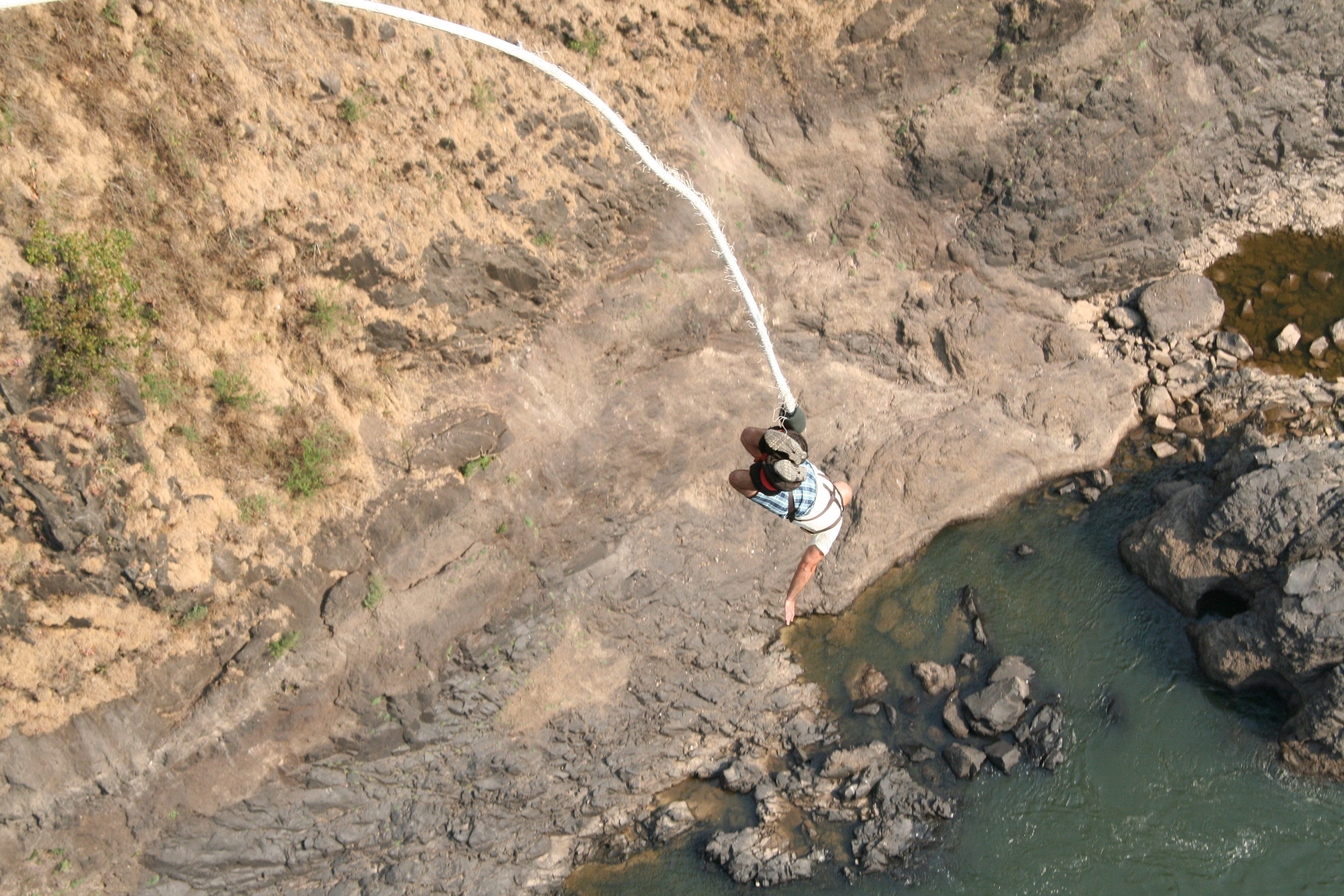
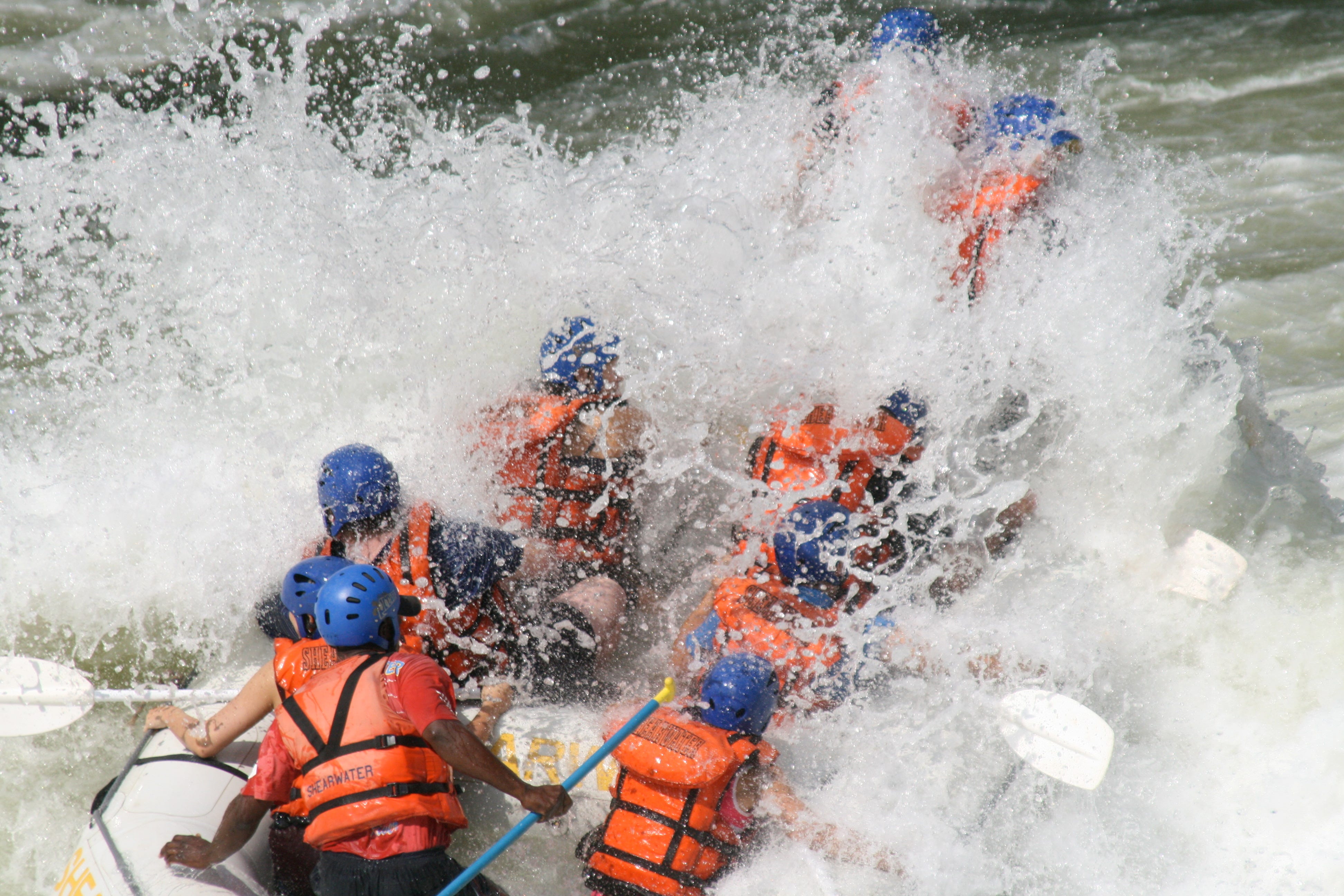
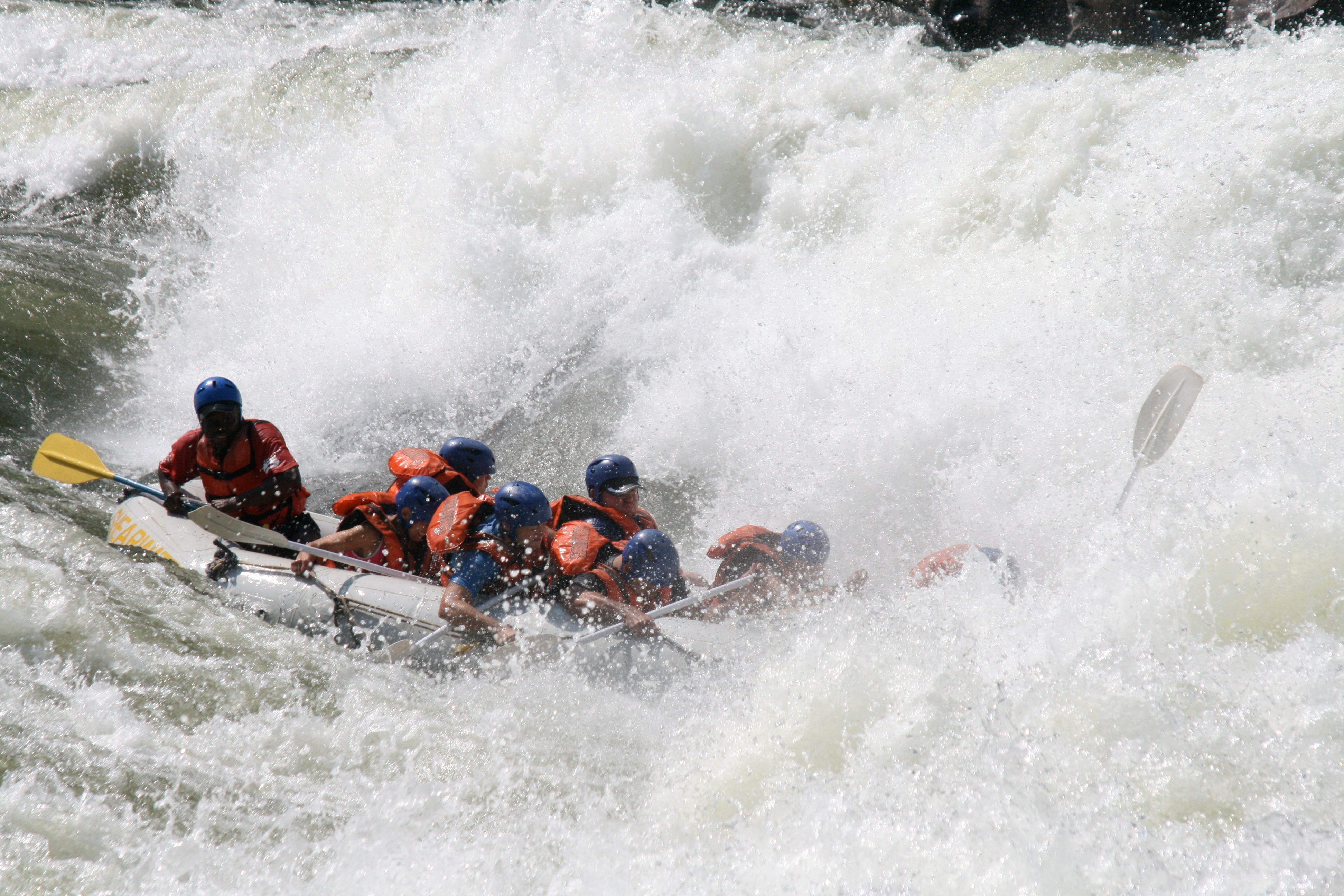
Of course, there is another extreme. Some people do not merely tolerate risk. They actively seek it seemingly 24/7. They bungee jump off bridges, throw themselves into violent rapids, and treat fear as if it were a hobby. I am not wired quite that way, even if I have occasionally found myself brushing right up against that world.
That is where this gets interesting, because there are risks, and then there are reckless decisions. Those are not the same thing, even if they can look similar from the outside. Recklessness is blind. It ignores context, dismisses consequences, and often has very little payoff beyond the adrenaline hit or the story afterward. Risk, by contrast, can be informed. It can be measured. It can be chosen with your eyes open. One is chaos for chaos’s sake. The other is an intentional bet that the reward outweighs the downside.
That distinction matters enormously in travel.
People who work in the area of risk management view risk analysis as a matrix: on one axis, risk. On the other, reward. Low risk and low reward is the easy default. Staying home. Doing what you have always done. Nothing wrong with it in moderation, but no one is writing epic memoirs about the week they stayed in and reorganized the pantry. High risk and low reward is where recklessness lives. That is where bad judgment disguises itself as bravery. There is very little romance in making dumb choices with terrible upside.
Then you get to the more interesting quadrants. Low risk and high reward is where many of us should be living more often than we do. Take the trip. Book the ticket. Speak to the stranger. Wander the neighborhood. Try the thing that scares you just a little. Most of the time, these are not reckless moves. They just feel scary because comfort is addictive. And then there is high risk and high reward, which can absolutely be worth it, but only when you are honest with yourself about the tradeoffs and your own appetite for uncertainty.
The sweet spot is personal. But if I had to guess, for most people it is probably further out than they think.
That is where travel becomes such a useful teacher. Travel exposes how many of our “safe” decisions are really just habits. It shows us that what we often call prudence is sometimes just fear wearing sensible shoes. It also forces us to sort out what we really mean by risk. Is the danger physical? Emotional? Financial? Logistical? Social? Is the reward fleeting, or does it change you in some lasting way?
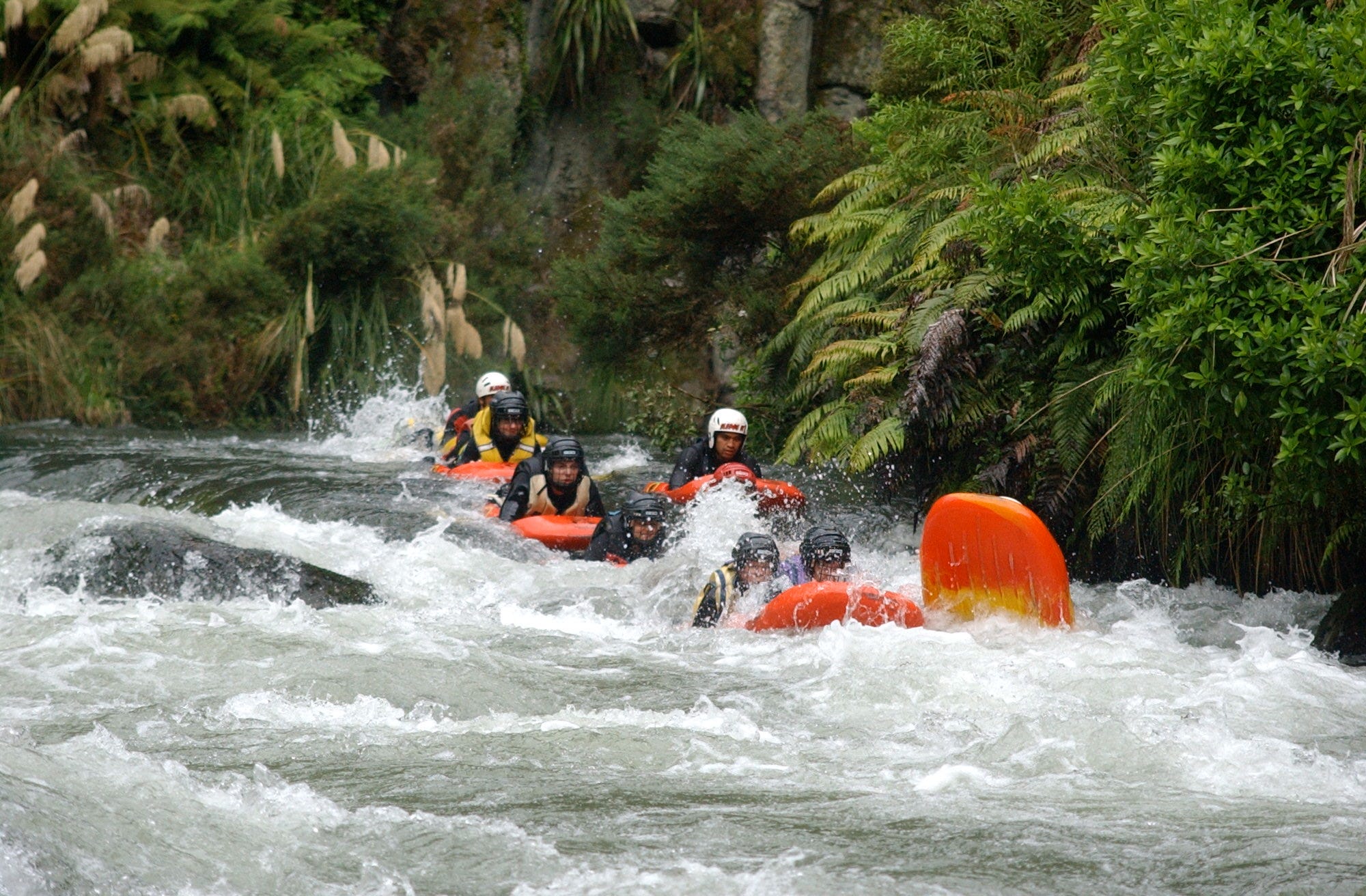
Take something like sledging in New Zealand, for example. If you have never heard of it, imagine whitewater rafting, except instead of being inside the raft, you are in the river itself clinging to a board and attempting to look like this was all a very reasonable life choice. It sounds absurd because it is. But it is also structured, guided, and managed. It is not random chaos. It is informed risk wrapped in a ridiculous package.
And because of that, it becomes the kind of experience that stays with you. Not just because it was intense, but because you chose to do something that demanded presence. The river did not care about your to-do list, your inbox, your insecurities, or your plans for next week. It forced you fully into the moment. That kind of reward is hard to get from safe, padded, predictable living.
Lately, these thoughts have collided with something much more real and much less theoretical: having a seriously ill parent. This is not the main point of the piece, but it is part of how I have been thinking about informed risk lately. There are times in life when the question is not just whether something sounds exciting or meaningful, but whether it is responsible given the circumstances around you.
That was part of the reason Yemen no longer made sense for me recently. It is not that Yemen is not worth seeing. It absolutely is. But it is also not a place where you can just hop on the next hourly flight home if something goes wrong. If someone passes away while you are somewhere like that, there is a real chance you simply do not make it back in time. That is not drama. That is logistics.
That, to me, is where informed risk-taking becomes less abstract and more personal. It is not about becoming timid. It is about recognizing that context matters. This is also one reason I have spent more time in Europe lately. Worst case, if something happens at home, I can generally be back in the United States from Europe in under 24 hours. As it happens, that exact logic mattered this week. And I did make it back in time. That does not mean Europe is “safe” and Yemen is “bad.” It means that in one season of life, one risk/reward calculation made sense and another did not.
That is what maturity in travel looks like. Not staying home forever. Not pretending all destinations carry the same consequences. Just knowing your own matrix.
The funny thing is that most of us do not need encouragement to be more cautious. The world gives us that constantly. Family gives us that. News gives us that. Algorithms especially give us that. We are endlessly reminded of what can go wrong, what might happen, what could fall apart. Very few voices are out there saying, yes, but what might happen if you go anyway? What if the upside is bigger than your fear? What if the thing that feels risky is actually the thing that makes your life more vivid, more textured, more worth remembering?
I suspect that for most people, the real growth is not in becoming more reckless. It is in becoming more honest. Honest about what actually matters. Honest about what is merely comfortable. Honest about the fact that many of the best experiences in life begin with some version of I am not totally sure about this.
That does not mean everyone needs to jump off bridges, raft through rapids, or throw themselves into whatever adrenaline circus is nearest. It means knowing your personal sweet spot and admitting that, for most of us, it probably involves taking more risks and trying more things than we currently do.
Because there is a huge difference between derisking your life and shrinking it.
Travel is one of the clearest ways I know to test that idea. Not because every trip has to be extreme, but because every trip asks some version of the same question: are you here to protect your routine, or are you here to expand your life? Sometimes the answer is rest. Sometimes the answer is caution. Sometimes the answer is staying closer to home because that is what your life demands in that moment. But sometimes, maybe more often than we admit, the answer is to go. To try. To say yes. To accept that life cannot be fully optimized against pain without also being optimized against joy.
So I will leave you with this:
When did you take a risk and it really paid off?
And when did you realize you had gone just a little too far?
Because most of us do not need a push toward recklessness.
We need permission to live a little more fully.
And this was just that. Family in and out of hospitals means that I'm kinda planted close by. Brother randomly just spent 12 days in the hospital and he was my parents' primary caretaker. :/
My condolences *hugs*
I remember paragliding in miraflores after a few pisco sours in Lima, Peru.
It was a risk because I am scared of heights. But I had spent the afternoon watching people floating in the sky and after some Dutch courage decided to take the plunge!
I asked a colleague to come with me and witness it in case something happened to me!
It was exhilarating. Glad I did it.