
Fridays are usually reserved for physical destinations here: actual places with borders, baggage claim, and at least one café worth arguing about. But this week, I’m bending my own rules. Because the most interesting destination I’ve been thinking about lately isn’t a country or a city. It’s the long way. The route you don’t optimize, don’t rush, and don’t fully understand until long after you’ve arrived.
There’s the fastest way to get somewhere, and then there’s the way you actually remember the journey you took.
This isn’t a manifesto against speed or efficiency (okay, maybe a little…I’m fully guilty of yeeting myself through places when I should’ve lingered), but a quiet argument for detours, missed connections, extra legs, and journeys that feel mildly inconvenient in the moment and absolutely elite in hindsight.
This is about choosing the long way…not because it’s smarter, but because it asks more of you…and somehow gives you more back. It’s the difference between checking a box and letting a place live rent-free in your head years later.
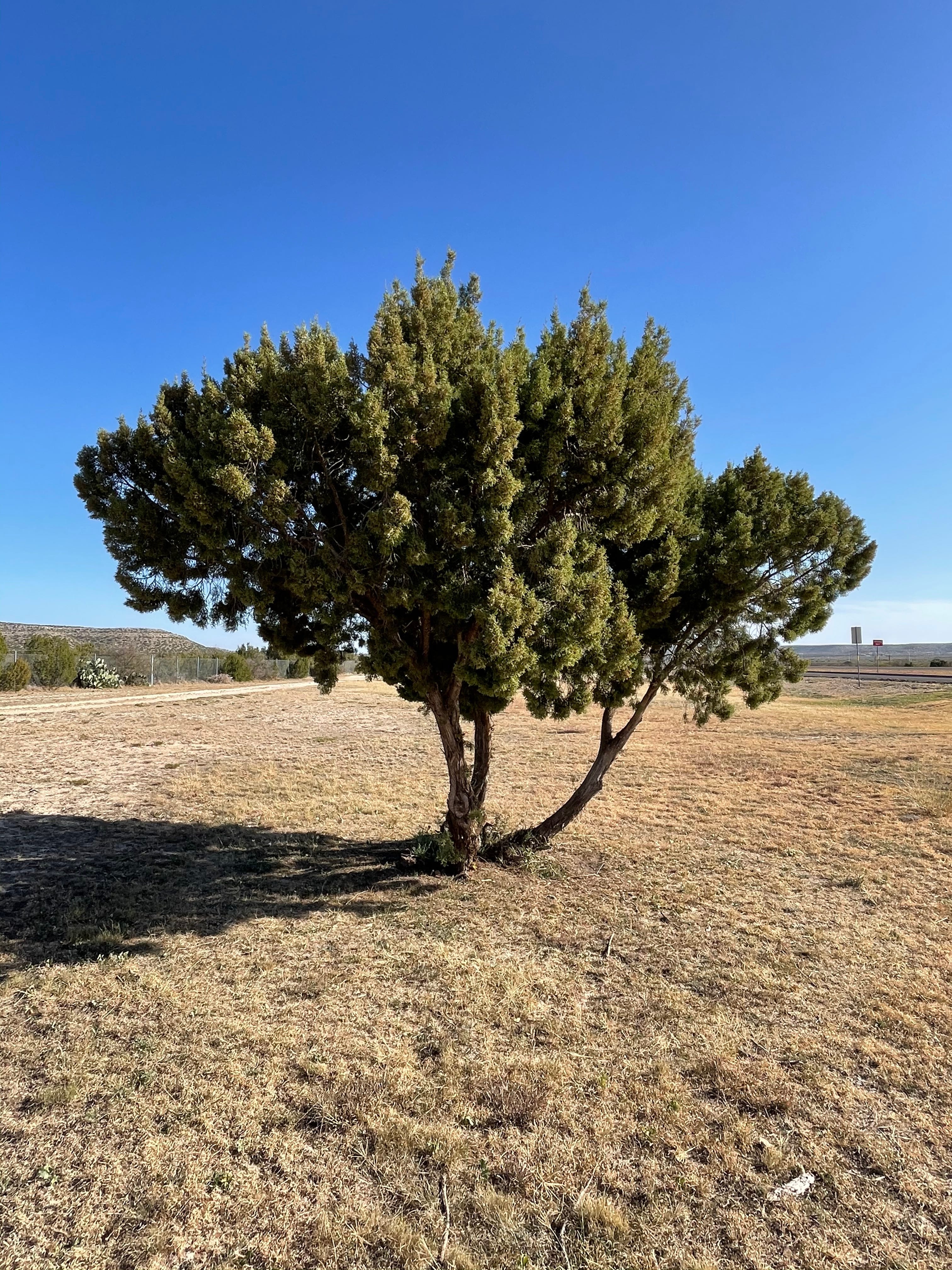
The long way rarely announces itself. It doesn’t come with a brochure or a “Top 10 Reasons” list. Sometimes it looks like an empty road, a lone tree, or a stretch of land that exists purely because it can. No hype. No filter. Just vibes.
And yet, this is where the journey actually begins. When there’s nothing obvious to photograph, you start paying attention. To scale. To silence. To how much space the world takes up when it isn’t trying to sell you anything. Honestly? It kind of slaps.
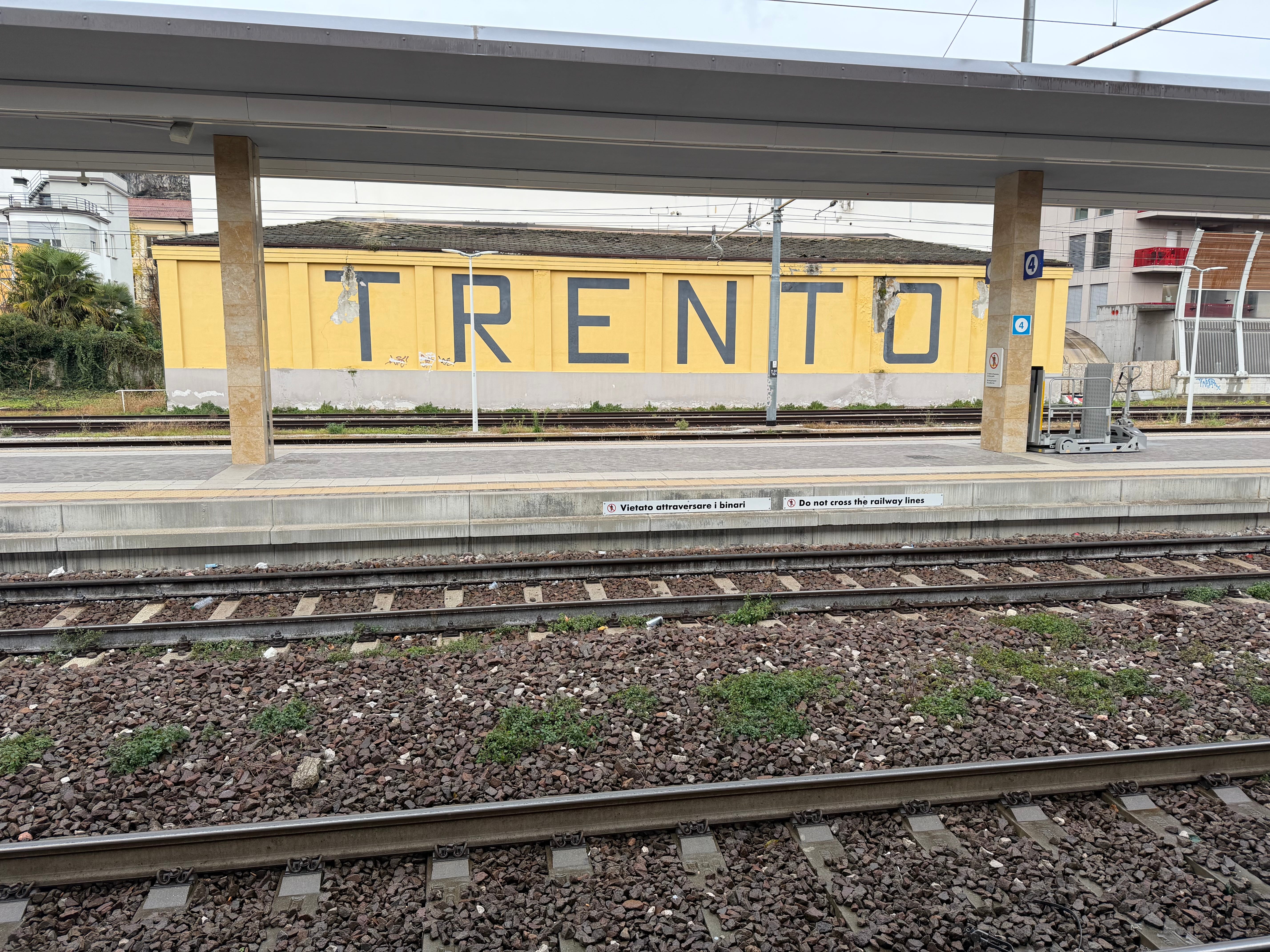
Train stations are underrated spaces. They’re full of people pretending they’re not waiting, cities quietly introducing themselves, and signs that feel far more confident than you do.
This is where the long way shows its first tell: it usually involves trains…or buses…or cars. Or multiple legs. Or a schedule that dares you to be patient. Literally anything other than airplanes.
You could fly. You almost always could fly. But then you’d miss this part: the in-between, where anticipation slowly replaces urgency and your brain finally stops speed-running life.
That’s one reason I’m low-key obsessed with the story of Thor Pedersen, the only person to visit every country in the world without ever taking a plane. Ten years. Every border. Every ferry, bus, train, and cargo ship imaginable. No shortcuts. No teleporting across continents. Just commitment to the long way. His story lives at Once Upon a Saga , and it’s a reminder that how you move through the world matters just as much as where you end up.
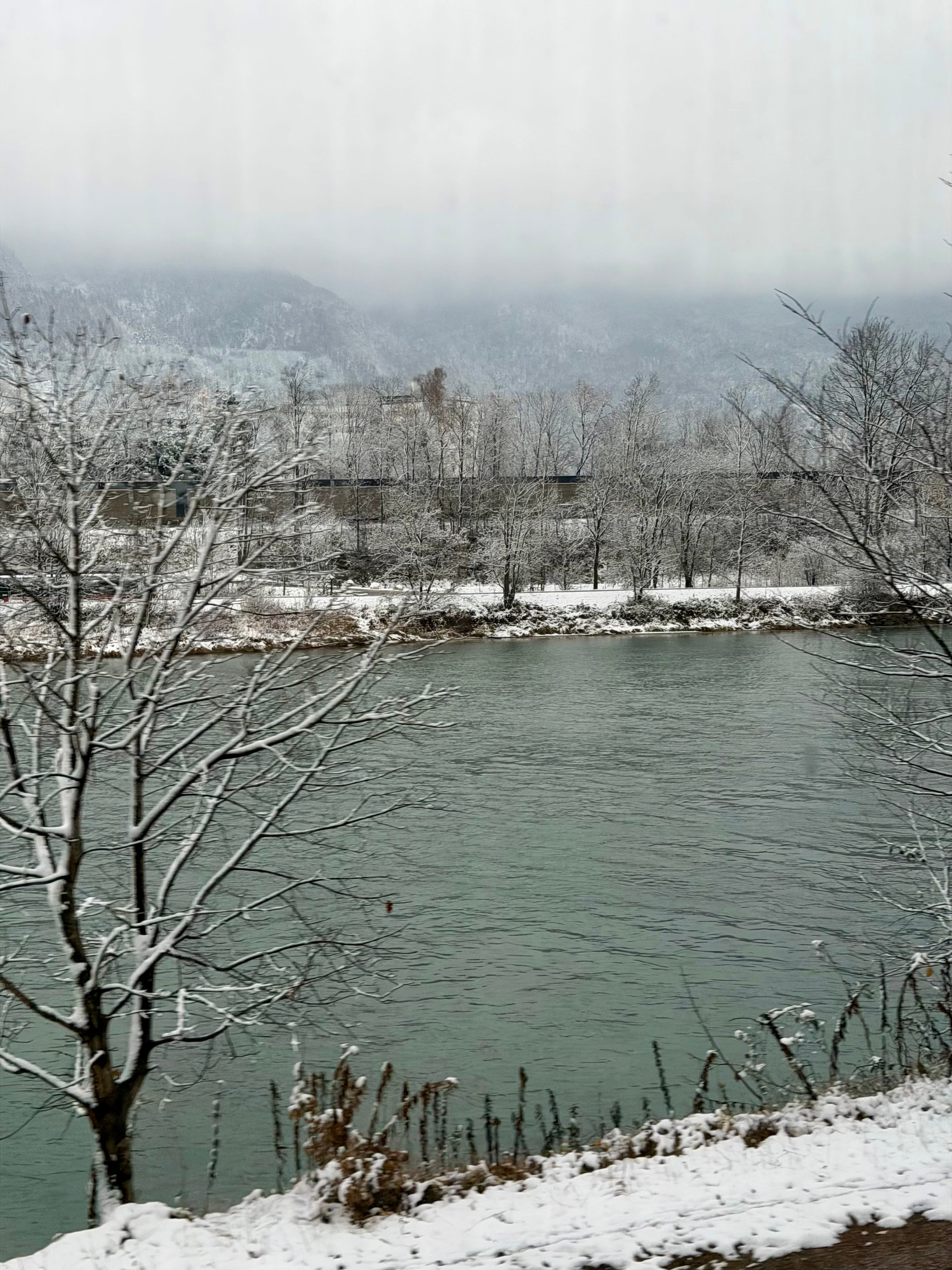
The long way is seasonal whether you like it or not. You don’t get to optimize the weather; you get what shows up. Snow doesn’t ask if you’re ready. It just arrives and changes the pace of everything. Trains slow down. Landscapes blur. Time stretches.
You stop trying to “get there” and start existing in the middle of it, which is the whole point.
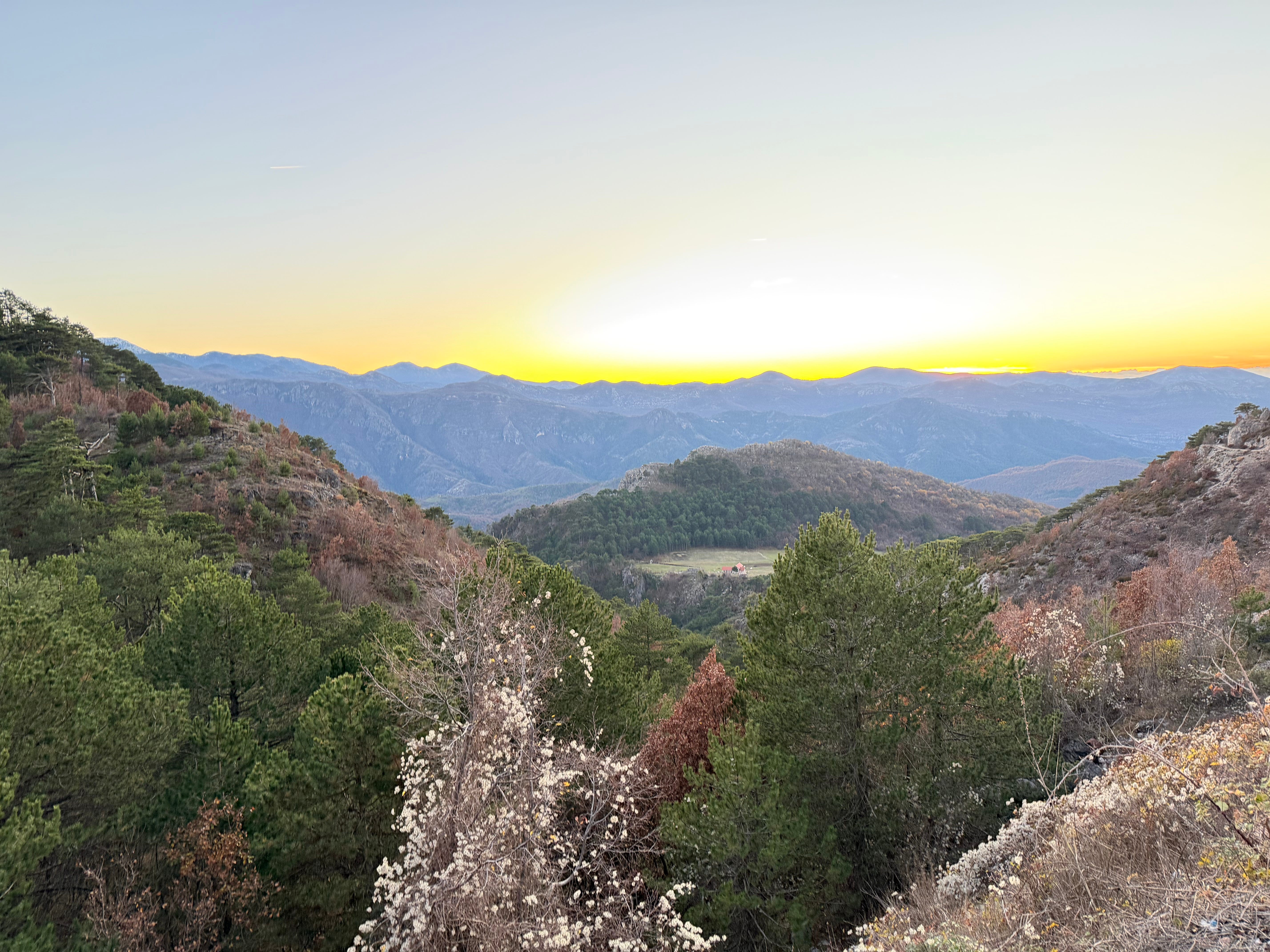
If the long way has a reward system, this is it.
Sunsets hit differently when you didn’t rush to beat them. When you arrive a little tired, a little cold, and slightly unsure if this stop was even necessary…that’s when the light does its best work. That’s when the moment absolutely slaps.
This is the payoff you don’t get when everything runs on time.
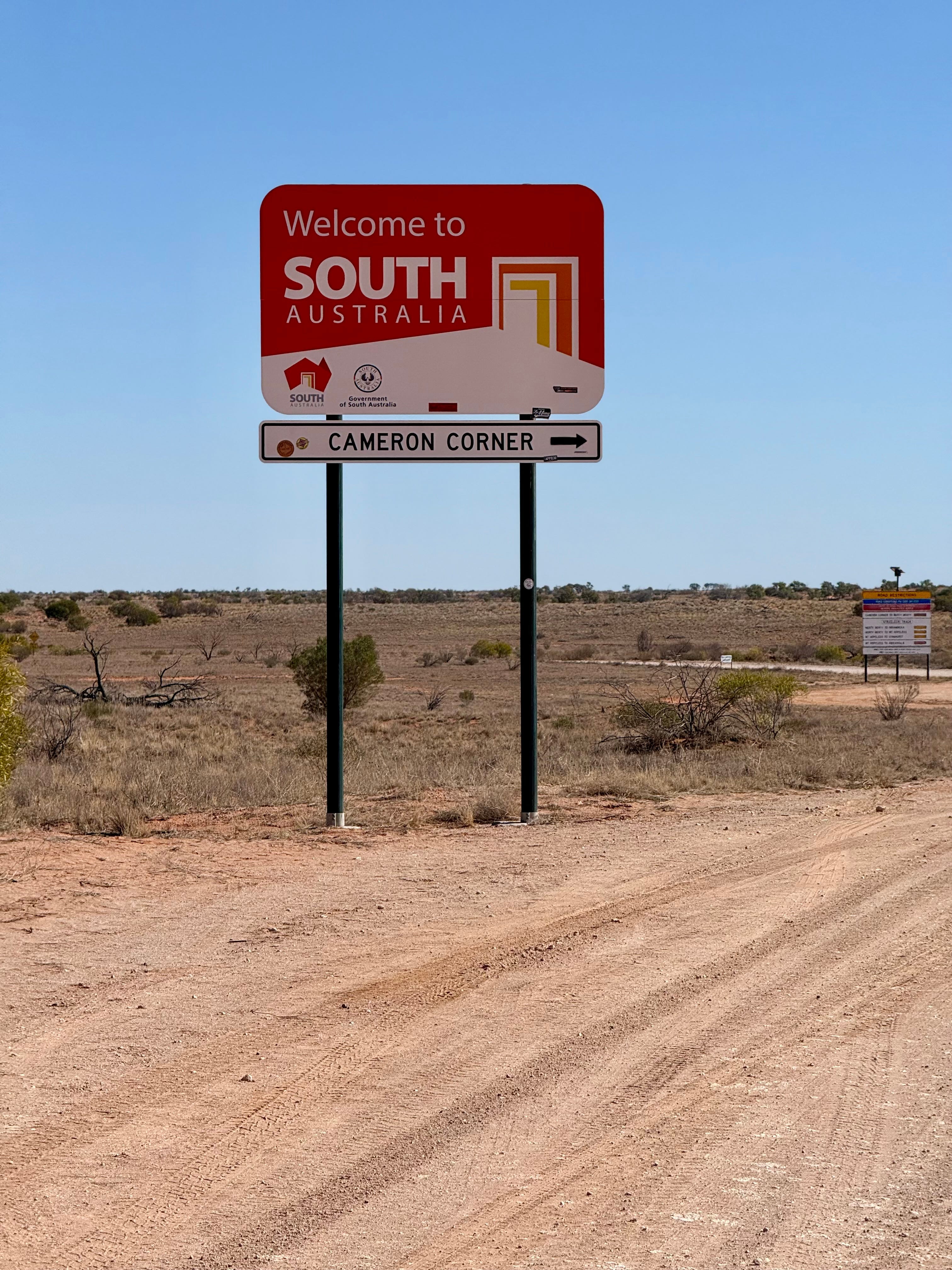
Some long ways are literal. Like driving into places where the map looks offended you even tried. This is where shortcuts officially stop being an option. Where you commit not just to distance, but to discomfort, dust, and the quiet realization that turning back would somehow feel worse.
You don’t come out here accidentally. You come because you want to feel how far away “far” actually is.
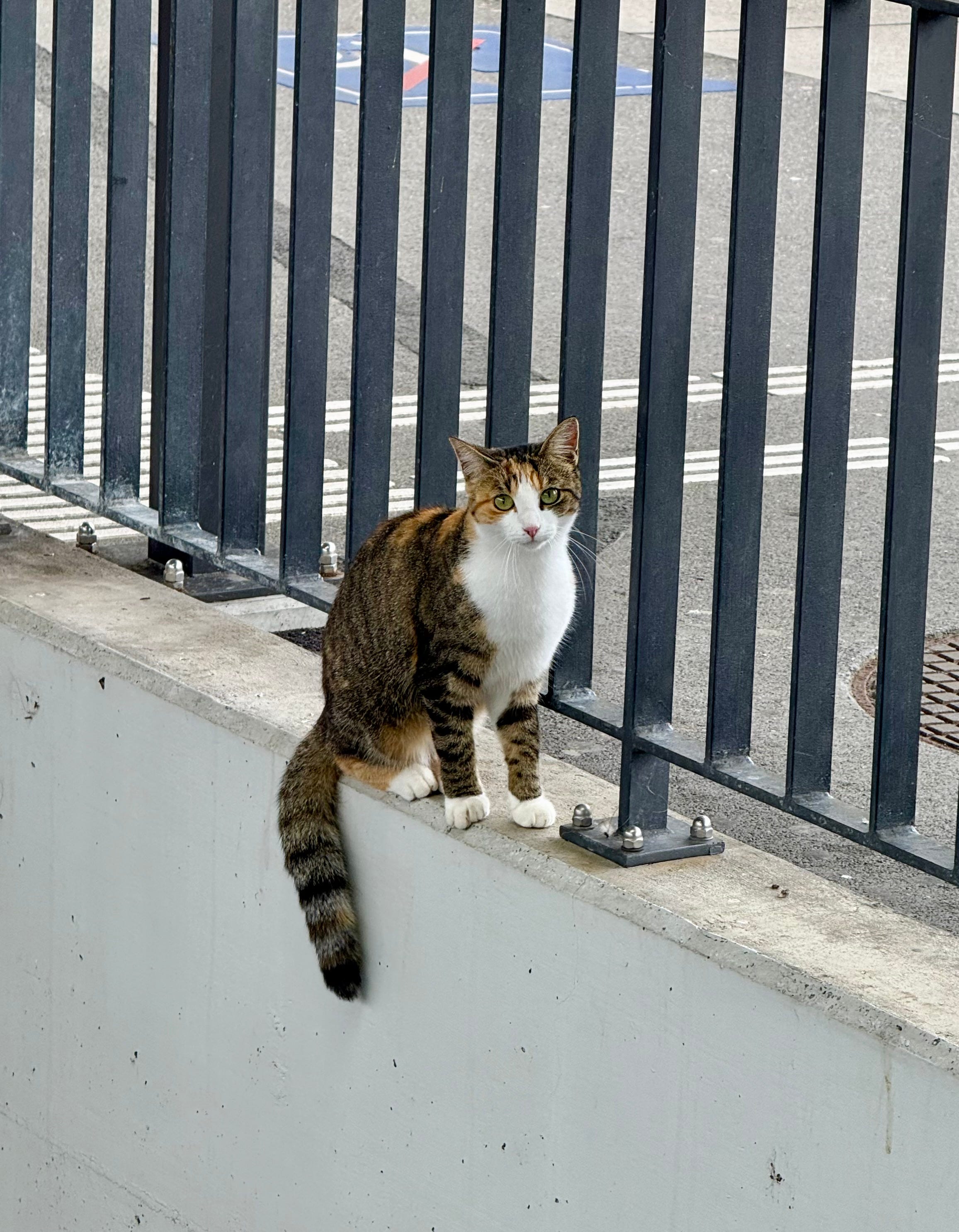
Every long journey has a moment where an animal judges you. This cat has seen people come and go. It understands borders, routines, and exactly how long you’re going to stay. It also knows deep in its bones that you’ll leave before it does.
Encounters like this don’t make it into itineraries. They don’t trend. But they stick. Proof that you passed through someone else’s normal life for a minute, quietly, without demanding anything.
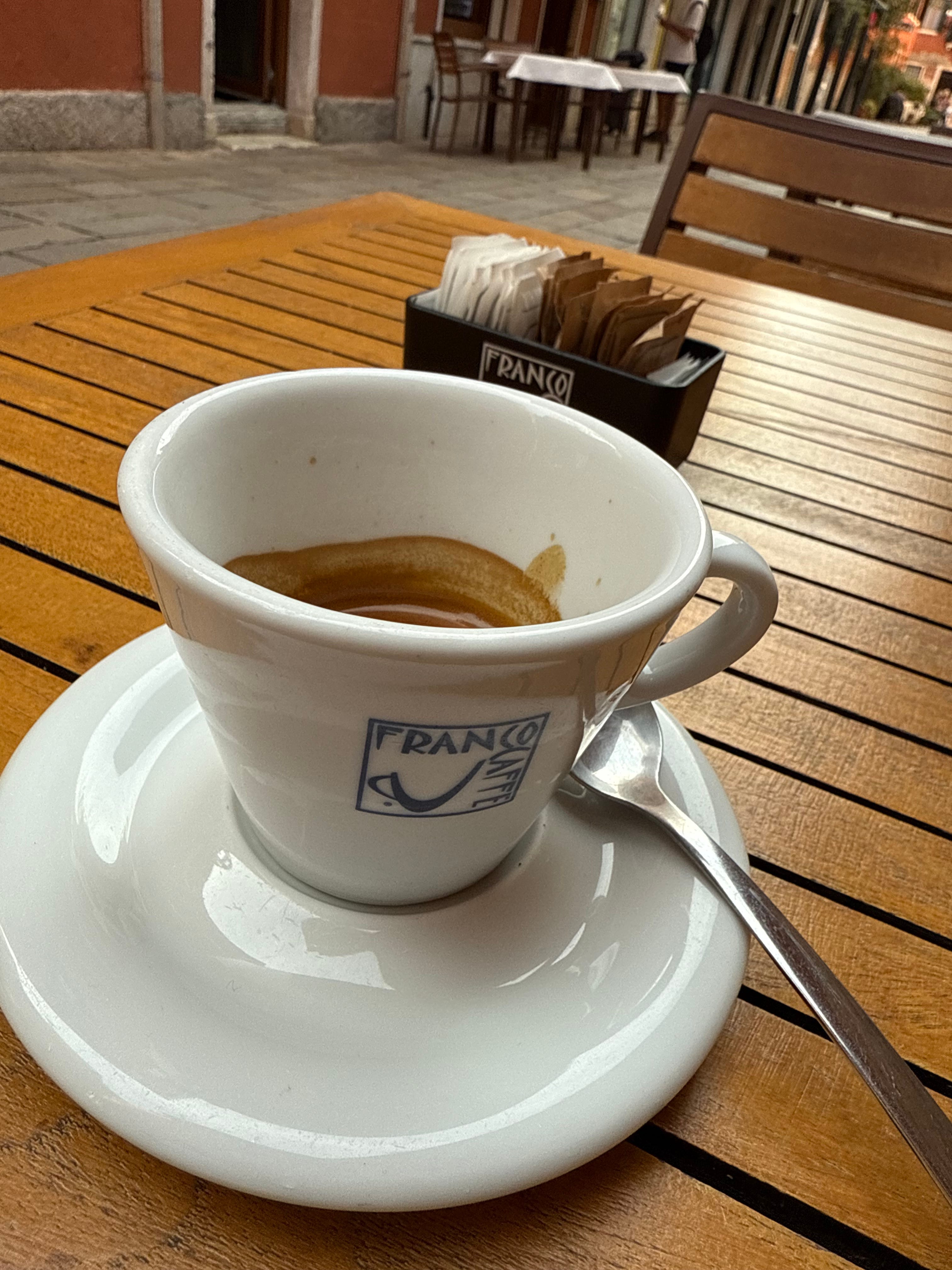
And then there’s this moment. When the bags are down. When the noise fades. When the coffee is unremarkable and perfect at the same time.
The long way doesn’t end with fireworks. It ends with stillness. With the sense that you didn’t just reach a place, you eased into it.
Spending time around “country counters,” I’ve done more than my fair share of ticking boxes and speeding through lists. I’ve crossed borders just to say I crossed them. And yet, I’ve never met a single person in that community who looks back and says, “I wish I’d done it faster.”
Every single one wishes they’d stayed longer. Looked harder. Let places breathe. Pesky jobs. Work to live, not live to work…but we all know how that balance gets messy.
Why the Long Way Matters
Because speed flattens experience.
Because efficiency edits out texture.
Because the world isn’t meant to be consumed at boarding-gate pace.
The long way reminds you that travel isn’t just about where you’re going, it’s about who you become while getting there.
And honestly? If it takes a little longer, costs a little more patience, and makes for better stories later…that feels like a fair trade.