
For most of my traveling life, I’ve actively avoided group travel.
It wasn’t some principled stand against tours. I simply liked having control over my own time. I could stay somewhere longer if I liked it, leave early if I didn’t, change my plans halfway through the day, or pursue some obscure regional border that no normal person would find remotely interesting.
For most of my journey to every country in the world, I think I took exactly one proper group trip: North Korea. And that was mostly because, well, there wasn’t exactly another option.
Over the past few years, though, I’ve found myself traveling with groups more often, particularly as the places I want to reach have become more remote and complicated. Along the way, I’ve realized I was thinking about “group travel” completely wrong.
There really is no single thing called group travel. There are just groups.
And the people in them can matter every bit as much as the destination.

One of my first lessons came in Greenland, where I signed up for what was technically a group excursion and discovered the “group” consisted of exactly two people.
By complete coincidence, the other traveler turned out to be one of the most traveled people in the world. We spent hours talking about obscure countries, remote regions and a community of extreme travelers that I had mostly watched from the sidelines. That encounter eventually helped convince me to become much more involved in that world myself.
Had there been forty people on the boat, we might never have spoken.

That’s the first thing I’ve learned: not all groups are remotely the same. A group can mean two strangers in Greenland or twenty people on a bus. And when you sign up, you usually have no idea who those people will be.
That’s probably the biggest gamble.
I’ve joined inexpensive trips where I barely connected with another person, and more expensive ones where a higher price definitely did not guarantee more compatible personalities. Age doesn’t guarantee compatibility. Nationality doesn’t. Income certainly doesn’t. Even being extremely well traveled doesn’t necessarily make someone pleasant to travel with.
Sometimes you click. Sometimes you don’t. The opposite is true when you already know the group.
Years ago, a friend convinced me to join an all-inclusive resort trip in the Dominican Republic, which may be one of the least “me” travel sentences I’ve ever written.
And I had an incredible time.
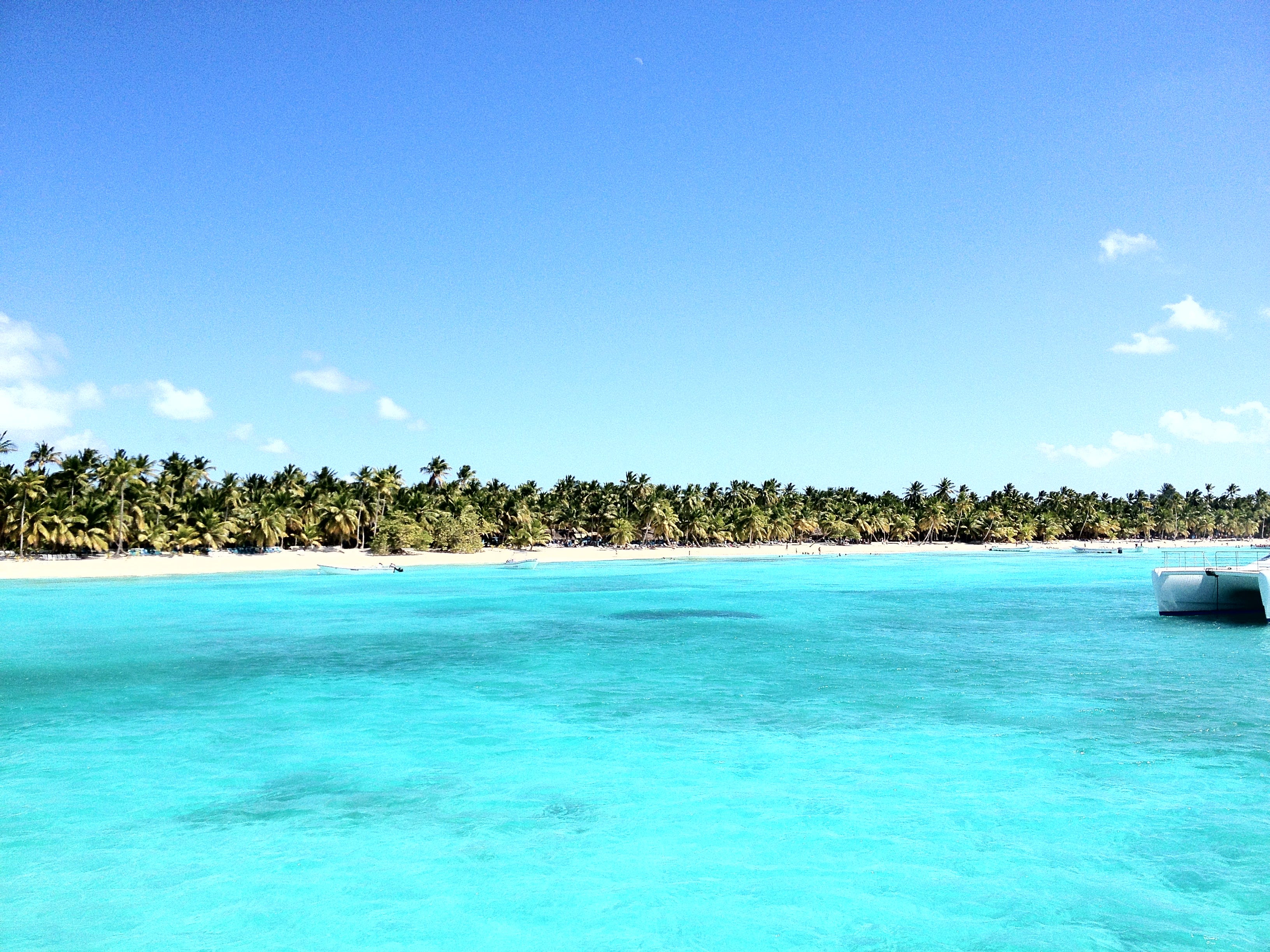
It wasn’t because I suddenly discovered a passion for wristbands and all-you-can-eat buffets. It was because I was with people I genuinely enjoyed, we met more great people, and the destination almost became secondary.
The right people can magnify even a trip you might never have chosen yourself.
Unfortunately, the reverse is also true.
Put ten strangers together somewhere remote and you’ve basically created a small social experiment. Different personalities, different expectations, different travel styles and very different ideas about what constitutes an emergency.
Usually it works out at least reasonably well.
Sometimes one personality dominates everything.
Maybe someone complains constantly. Maybe they’re loud as a foghorn. Maybe they have an opinion about absolutely everything and feel a civic responsibility to share it.
You have two choices: spend the trip focused on that person, or refuse to give them control of your experience.
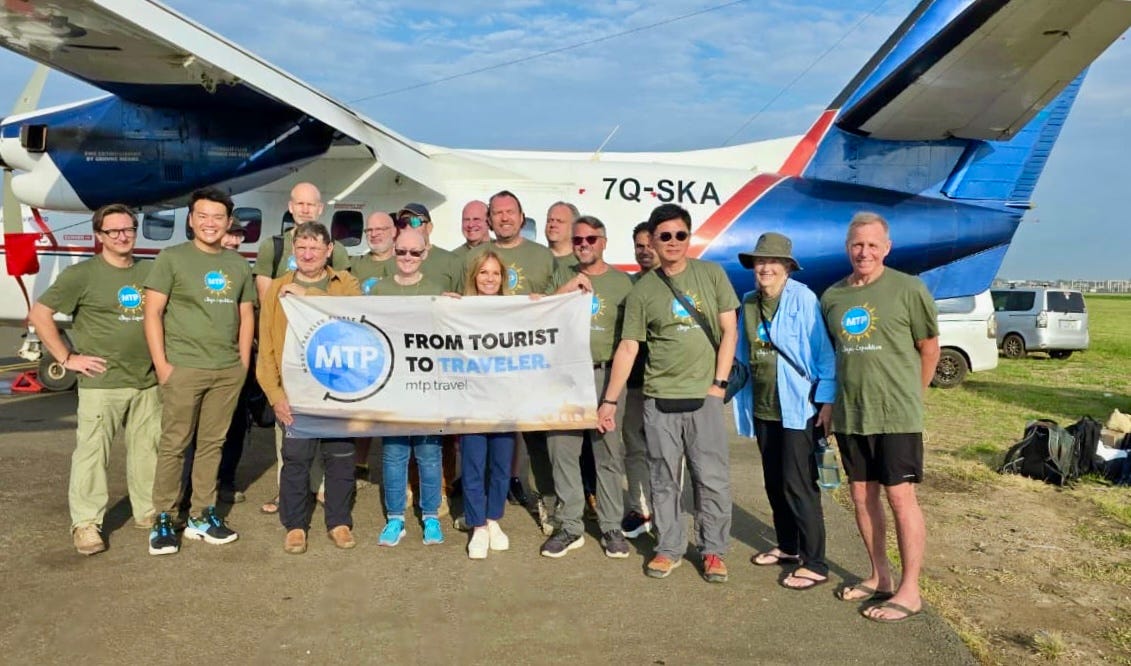
That may be the most useful thing group travel has taught me, and it has very little to do with travel.
We give other people an astonishing amount of power over whether we enjoy our lives. One rude stranger ruins dinner. One annoying coworker ruins the day. One difficult person becomes the story we tell ourselves about an entire trip.
You can’t always control who ends up beside you. You can control how much of your experience you surrender to them.
Of course, surrendering some control is the basic bargain of group travel. You eat when the group eats. You leave when the group leaves. You can’t always linger because the light is perfect or skip something because you’ve discovered a café where you’d rather spend three hours.
For someone like me, those compromises matter. But so does what you get in return.
Groups can make difficult logistics possible and expensive journeys affordable. They can arrange permits, charter transportation and get you into places that would be extraordinarily difficult to reach independently.
Most importantly, they can introduce you to people you never would have met otherwise.
Some of my closest travel friendships today began on group trips. I’ve traveled again with people I met that way, learned about destinations I’d never considered and become part of communities I probably never would have found entirely on my own.
So I’ve stopped asking whether I like group travel. The better question is: what kind of group travel works for me?
Maybe it’s friends at an all-inclusive. Maybe it’s ten experienced travelers heading somewhere logistically absurd. Maybe it’s two strangers on a boat in Greenland.
And sometimes you’ll get unlucky. The chemistry won’t work. Someone will drive you absolutely insane. That’s the gamble.
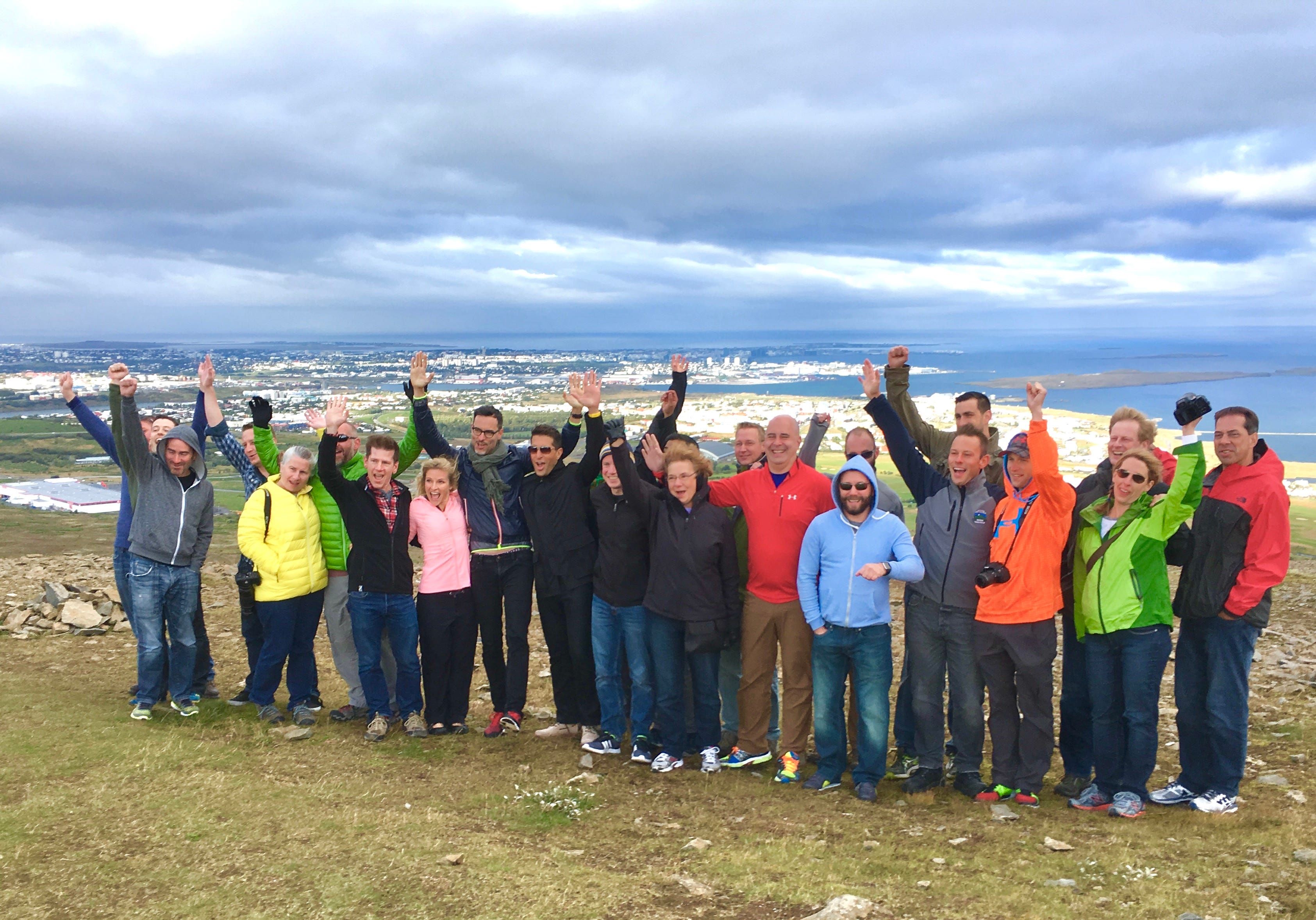
I still prefer independent travel most of the time. Give me my own itinerary and the freedom to make questionable logistical decisions without putting them to a committee vote.
But some of my best travel experiences (and some of the friendships I value most) would never have happened if I’d insisted on doing everything alone.