
It’s easy to draw lines on a map. It’s much harder to walk across them.
In an age where every trip can be a social media statement and every destination a debate, travel has become political by default. We talk about where to go almost as much as why…and often it devolves into a discussion of where we refuse to go at all.
I’ve heard it more times than I can count when I talk about my travels: “I’d never visit there. Not after what they’ve done.”
And look, I get it. I understand the gut instinct. Boycotts have their place, in diplomacy, in protest, in principle. But after visiting every country on Earth, and now slowly working my way through the world’s autonomous places and regions, I’ve learned something that no textbook on sanctions ever taught me when I was writing my graduate thesis: you can’t change what you refuse to be a part of.
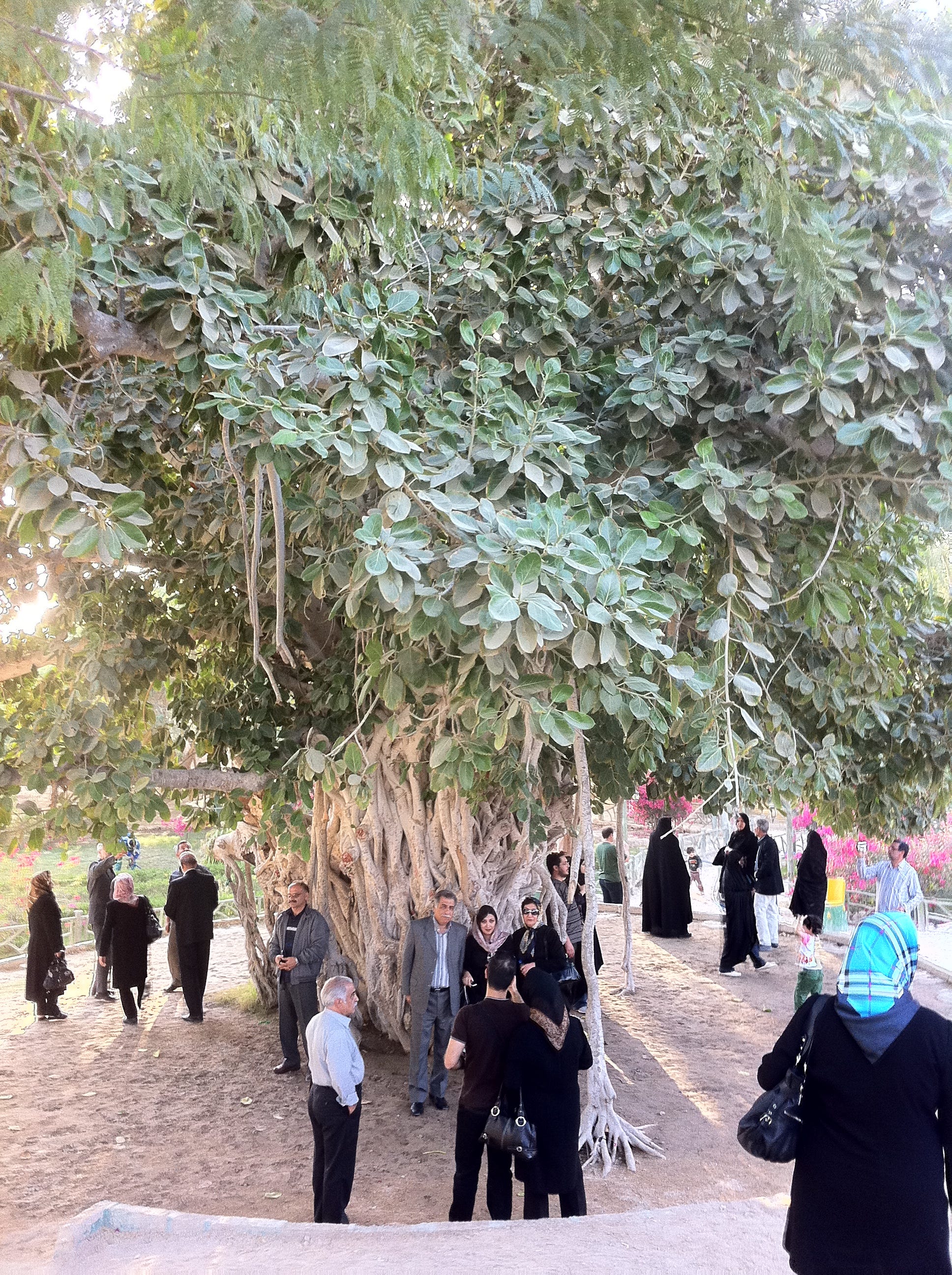
Iran is a place many (especially Americans) would write off before ever landing. Yet standing beneath this ancient banyan tree, its branches looping back into the ground, finding new life where they touch, I was reminded that growth doesn’t come from separation. It comes from connection. People knew I wasn’t from there, they wanted to know why I’d come there. They wanted to know more about where I came from. They wanted to know if what they heard in the media was true. Did I change the world? No, but I definitely changed some minds…and they changed mine.
Boycotts promise moral clarity in a messy world. But travel teaches you that morality never fits into neat boxes. You can disagree deeply with a system and still find humanity within it. Sometimes, that’s exactly where it hides.
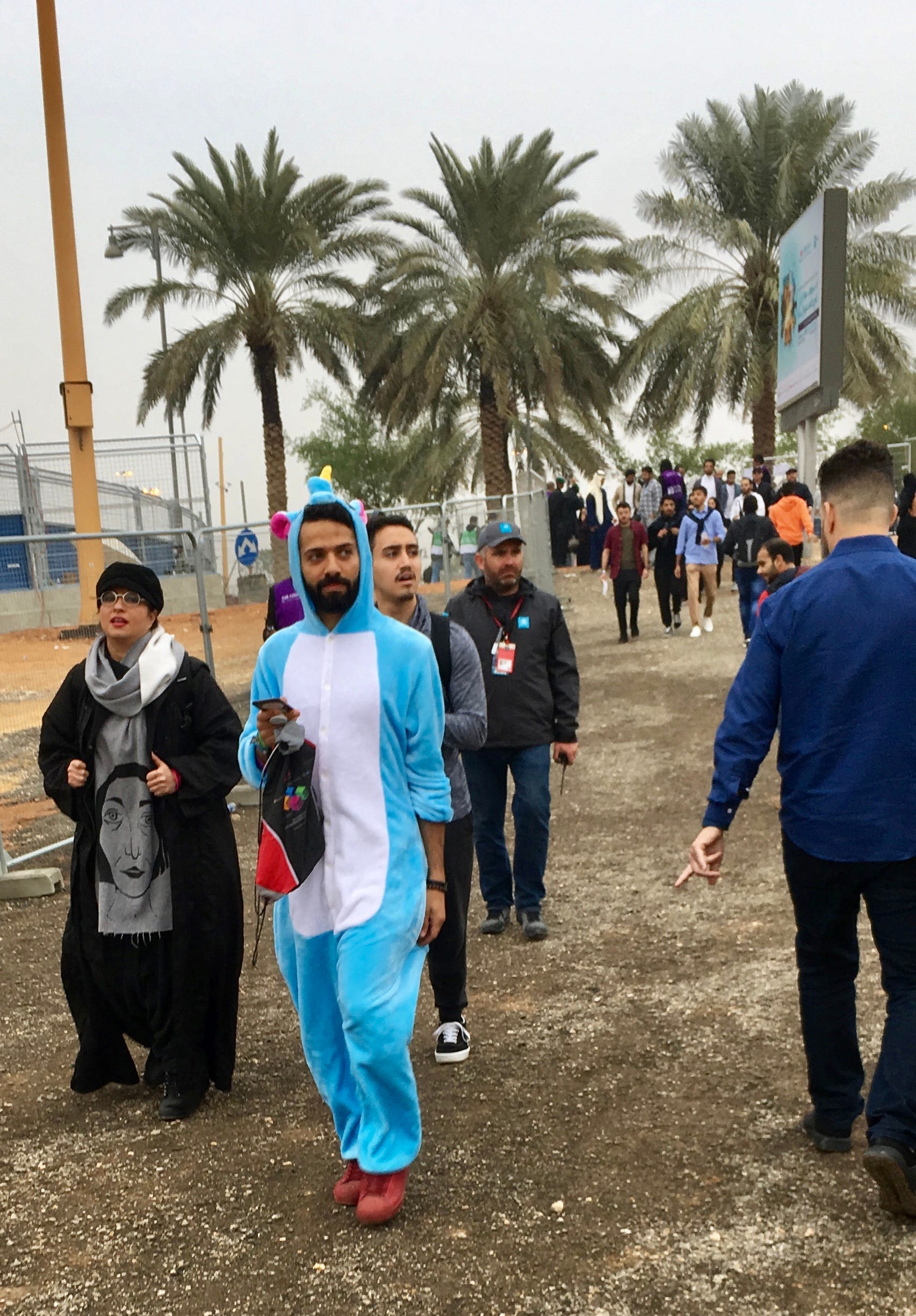
Saudi Arabia wasn’t always open to visitors. Independent tourists were allowed in for the first time just recently in 2019. I jumped on the opportunity to attend, along with dozens of other “country counters” who’d been waiting for their chance to go there. The air felt electric: cautious curiosity mixed with joy. Locals were taking selfies with foreigners, families were wandering food stalls, and one young man, wrapped in a bright blue unicorn onesie, strolled past me like it was the most natural thing in the world. Tell me that’s not change on a grand scale.
That scene didn’t erase the country’s challenges. But it did show me what change looks like before it’s headline-worthy. The quiet kind. The kind that starts with showing up, not staying away.
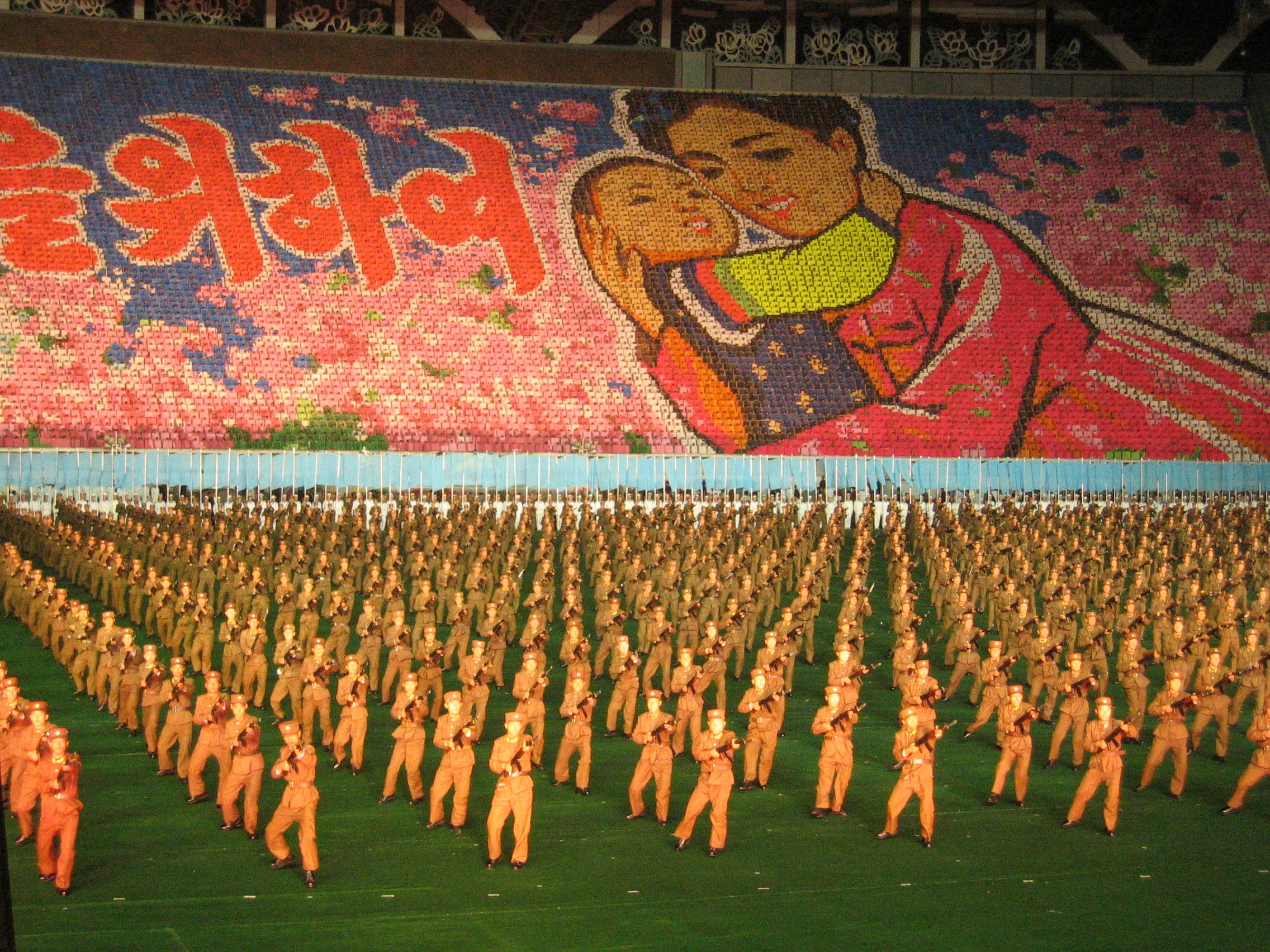
North Korea is the ultimate case study in why “I won’t go there” sounds noble, but rarely changes anything. From the stands at the Arirang Mass Games in 2005, I watched tens of thousands of North Korean people move in perfect unison. It was mesmerizing, somewhat unsettling, but also deeply moving.
Between the drills and slogans, I caught fleeting moments of something else: real change. A group of Americans being welcomed for the first time since the war to witness what the country had to offer. Behind us? A group of South Koreans invited in a show of Korean unity. Could we all have stayed away? Sure, but what would that have accomplished? We learned from them…and maybe, just maybe, one local or more realized we weren’t the devil-horned monsters westerners are often portrayed as in the media.
Empathy doesn’t mean endorsement. It means daring to look closer…because every system that thrives on isolation depends on our willingness to look away.
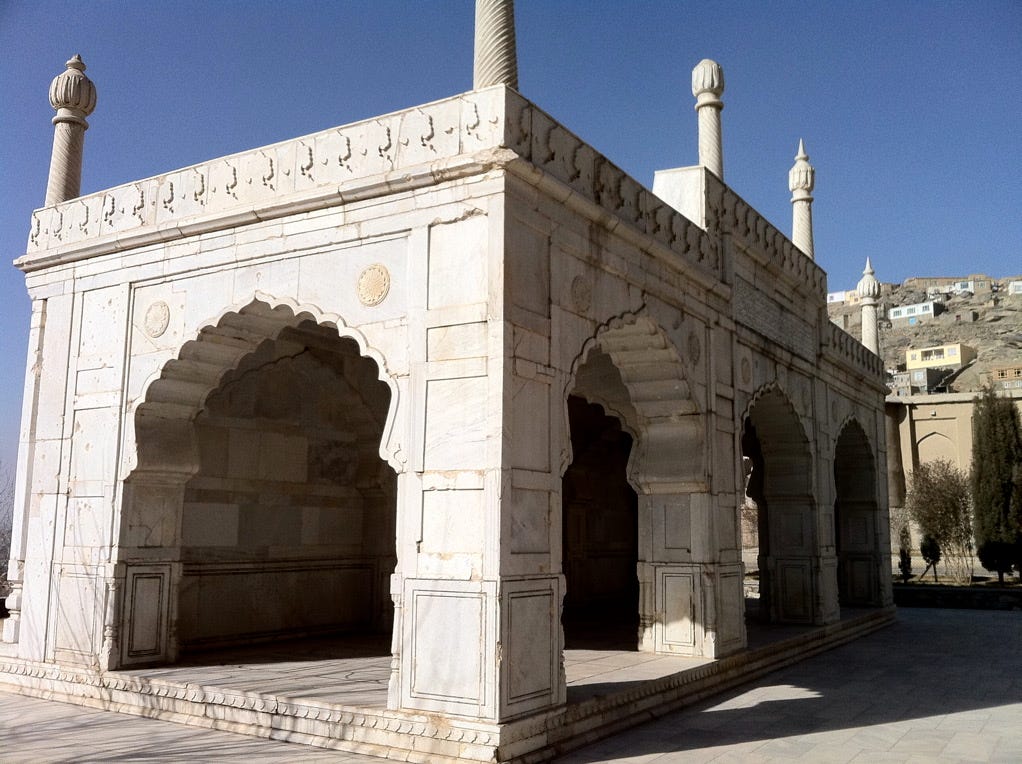
I’ve lost count of how many times I’ve heard that Afghanistan is hopeless. Hundreds of years of war, nothing ever changes, so why bother? But when I visited, I met people who laughed, dreamed, and extended kindness that’s all too often foreign to our face-paced western world. A shopkeeper refused to discuss payment until I drank tea with him. A teenager practicing English asked what my favorite Michael Jackson song was (spoiler: had to go with Thrilled) and then belted out Billie Jean. You couldn’t help but laugh, smile, and realize things are much more complex that simple platitudes.
That’s what boycotts miss: the human story. When we decide an entire country is off-limits, we don’t punish power. We punish people. The very ones who most want the world to notice they exist.
To give a very personal example, when I was younger, I couldn’t imagine a world could exist where I could marry who I loved. Where I could be myself without fear or judgement from society at large. It took decades for that to change, and it’s still changing, and that’s only because people stopped hiding in their closets. They showed up. They were seen. They were peoples’ brothers, peoples’ sisters, people’s parents, friends, and yes, even coaches and grandparents.
That’s what travel can do, too. Visibility softens walls. Proximity breeds understanding. No one changes their mind about “the other” without meeting them.
So no, I don’t do boycotts. Not because I think every place is good, but because I believe good can be found anywhere. The world doesn’t change by drawing boundaries. It changes when we cross them.
✨ Your turn:
Have you ever gone somewhere that challenged your beliefs and found something unexpectedly human waiting for you? Share it in the comments below. The more we talk, the fewer lines there’ll be left to divide us in a world that’s already divided enough.