
After I finished visiting every country in the world (and, coincidentally, yesterday marked the ten-year anniversary), something happened that I never would have expected: travel became...simpler.
There were no countries left to tick off, no lists to chase (very intentionally on my part), and no pressure to squeeze one more passport stamp into an itinerary. I simply went wherever sounded interesting. Some trips were built around a great airfare, others around seeing friends, a place like Greenland because it’s incredible, or simply curiosity.
It reminded me of the advice I got before my first Ironman triathlon. People warned me that after spending years working toward one enormous goal, actually achieving it could leave a surprising hole in your life. The thing that had defined so much of it was suddenly over, and you were left staring at a simple question:
What next?
Ah yes...the curse of the Type A personality. Eventually, though, another realization crept in: visiting every country didn’t necessarily mean I’d experienced every country.
Some places I’d spent weeks exploring. Others, if I was honest, amounted to little more than an airport, a hotel, and a passport stamp. They all counted equally on the map, but they certainly didn’t feel equal in my memory.
Papua New Guinea was probably one of the best examples.
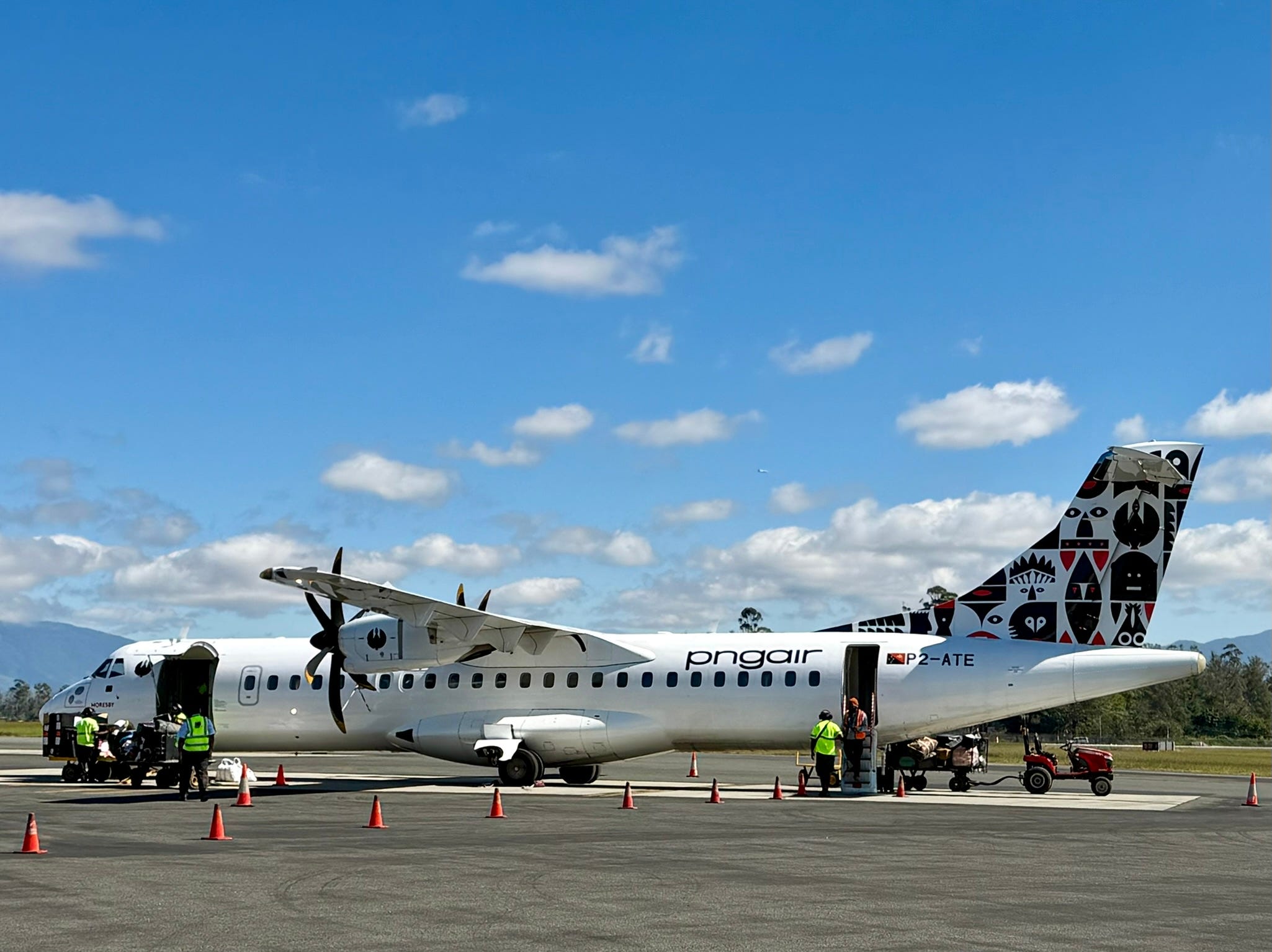
My first trip to Papua New Guinea back in 2014 lasted exactly one night.
Unfortunately, I had unknowingly arrived the day after a contentious national election. Port Moresby was effectively locked down, security was everywhere, and most of what I’d planned to see simply wasn’t possible. I flew back to Australia having technically visited the country, but feeling like I’d barely seen any of it.
This time, I decided to do things differently.
The Mount Hagen Festival was the reason for returning, and it deserves a story of its own. Around that, though, I built an itinerary that would let me spend nine nights in the country: one night in Port Moresby at the beginning and end, four unforgettable nights in Mount Hagen, and then three nights exploring places I’d never seen before: Lae, Rabaul, and Buka in the Autonomous Region of Bougainville.
Almost immediately, Papua New Guinea reminded me why so many people consider it such a fascinating place to travel.
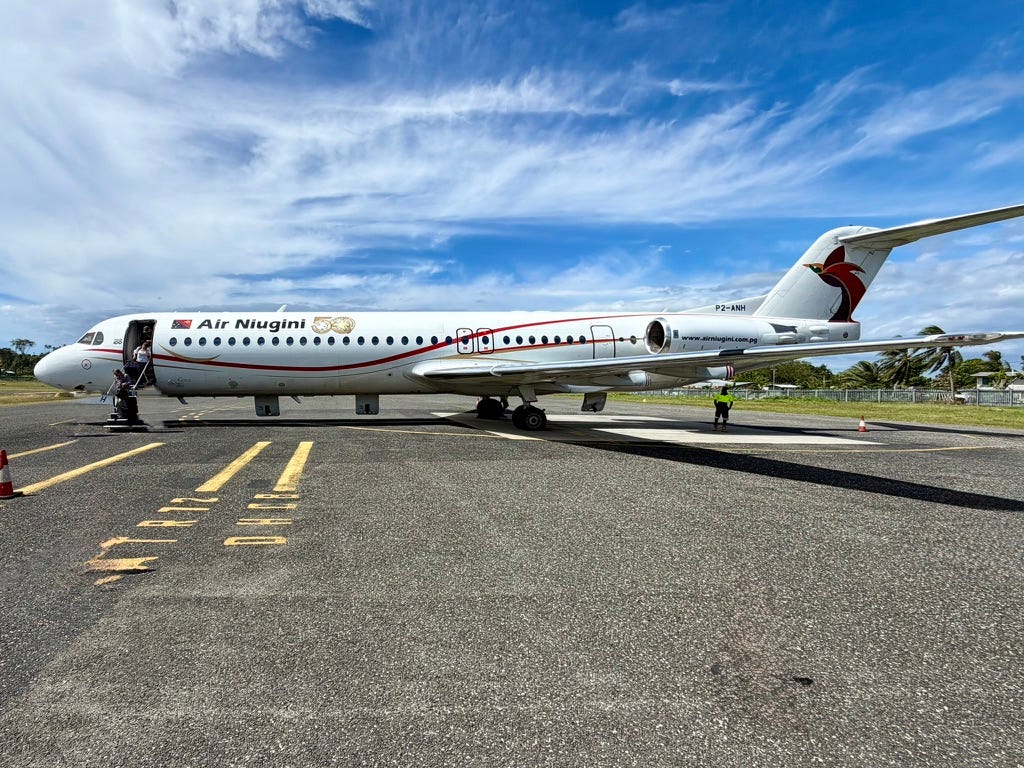
People had warned me endlessly about the domestic flights. “Expect delays.” “Expect cancellations.” “Don’t make tight connections.”
For a while, everything looked surprisingly smooth. Flights shifted by ten or fifteen minutes here and there, but nothing dramatic. Then came my departure from Lae.
The flight was moved from 11:30 a.m. to 8:00 a.m., which meant leaving my hotel before dawn because it sat nearly an hour from the airport. I dragged myself out of bed, arrived at the terminal...and discovered the flight had been “retimed” again.
To 12:30 p.m.
Thanks, PNG Air. I didn’t really want to sleep or enjoy a leisurely morning anyways.
In fairness, that ended up being the biggest disruption of the trip and it really didn’t ruin anything in a major way. Every other flight operated reasonably close to schedule, proving that sometimes the horror stories are just that…stories.
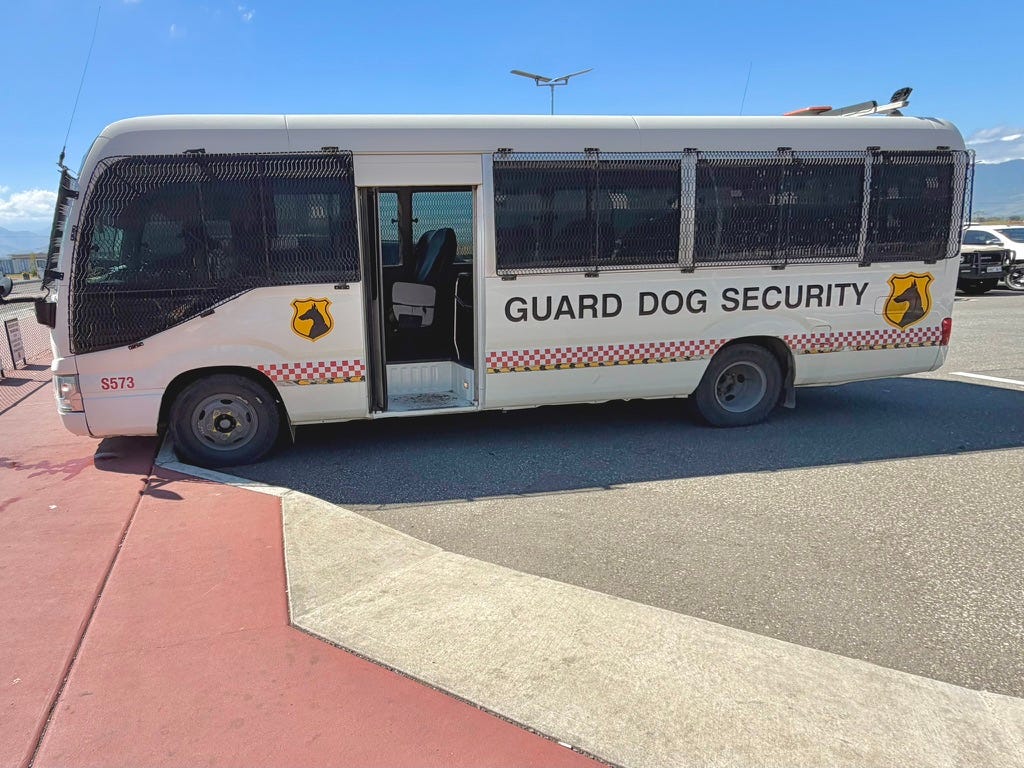
Safety was another topic everyone seemed eager to share their views on before I left.
There’s no denying Papua New Guinea has serious security challenges, and pretending otherwise wouldn’t be honest. During my visit there was even a bit of a riot outside Mount Hagen after the festival ended, fueled by a familiar combination of young men and alcohol. My airport transfer in Lae came in a bus belonging to a company called Guard Dog Security, complete with wire mesh covering every window. It felt more like a prison transport than an airport transfer.
On paper, none of that sounds especially reassuring.
And yet, throughout the entire trip, I never once felt genuinely unsafe.
That’s not because the risks aren’t real. It’s because travel is almost always more nuanced than its reputation. By taking sensible precautions, listening to local advice, and respecting the places I was visiting, my experience turned out to be very different from the one many people had warned me about.
The biggest surprise, however, wasn’t the flights or the security.
It was the culture.
Papua New Guinea is often described as probably the most culturally diverse country on Earth, with more than 800 languages still spoken today. Statistics like that are impressive, but they don’t really capture what it feels like to be there. In many parts of the world, traditional culture survives mostly as a performance for visitors (Hawiian Luau anyone?) or as something preserved in museums. In Papua New Guinea, it still feels alive. Tribal identity remains important, customs continue to shape daily life, and even away from the festival you sense that these traditions aren’t just being recreated for tourists, they’re simply part of who people are.
That feeling stayed with me long after the festival and the “performance” ended.
I was also surprised by how much the country challenged my expectations in many smaller ways.
Port Moresby has changed dramatically since my first visit. There are several international-standard hotels in the city now, and it feels far more developed than I’d remembered. Lae surprised me even more. I checked into the Lae International Hotel expecting something functional and instead found a property that would comfortably hold its own in most cities in the world.
Rabaul and Bougainville were certainly more basic, but they had exactly what I needed: clean rooms, welcoming staff, and a genuine sense of hospitality.
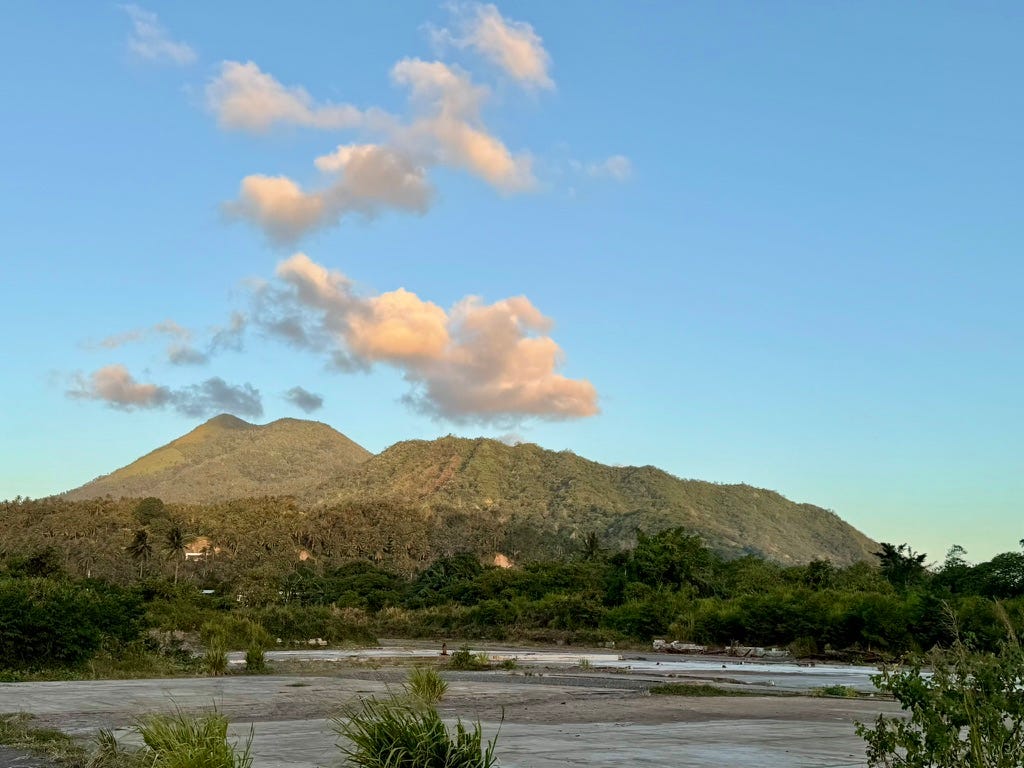
Rabaul, in particular, has an extraordinary story. In 1994, twin volcanic eruptions buried much of the town beneath ash, destroying countless buildings and forcing residents to rebuild elsewhere. (You can still see piles of ash alongside the road to the day.) My hotel was one of the few major structures that survived. Sitting there with the volcano rising in the distance, it was impossible not to appreciate how resilient the people of Rabaul have been.
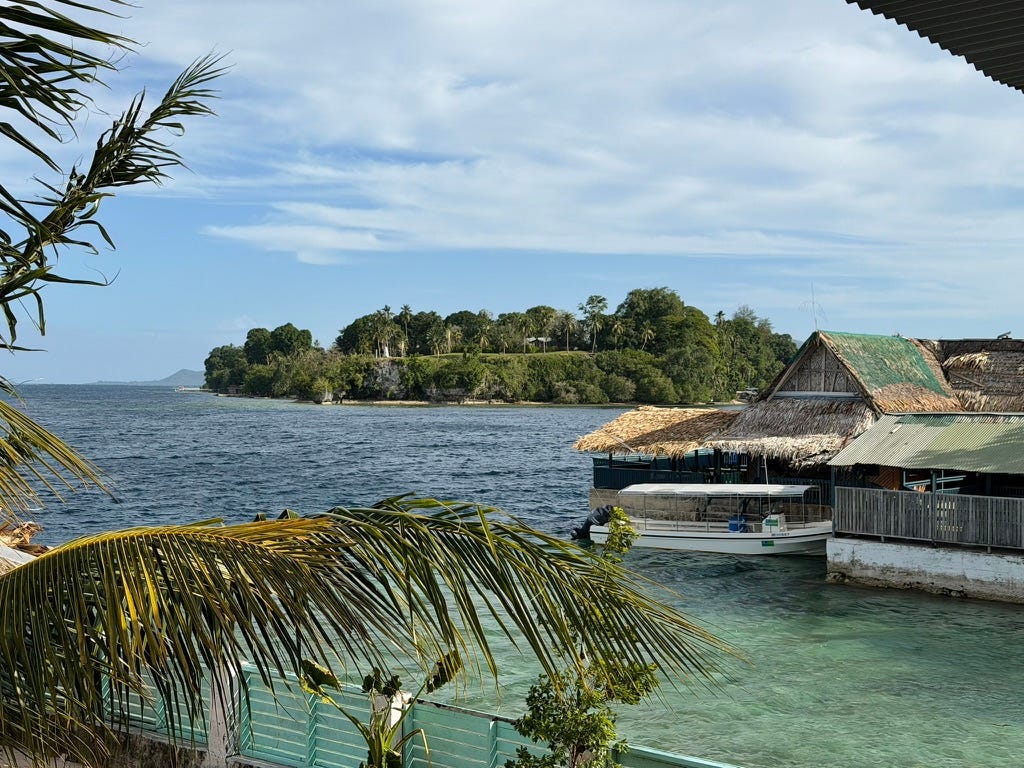
Bougainville may have been the biggest surprise of all.
Most people know very little about it, despite the fact that it may well become the world’s newest independent country in the coming years. What I found was a place of incredible natural beauty, super friendly and curious people, and an atmosphere that felt completely different from anywhere else I’d visited in Papua New Guinea.
Like so much of this trip, it left me wanting more (maybe after a short break somewhere more…”comfortable”) rather than feeling finished.
That may be the biggest lesson Papua New Guinea taught me.
Some destinations can be experienced surprisingly well in a day or two. Liechtenstein and San Marino…I’m looking at you…. They’re wonderful places, but you can leave after a relatively brief visit feeling you’ve gained a pretty good sense of them.
Papua New Guinea isn’t one of those places.
Nine nights felt substantial while I was planning the trip. By the time I boarded my flight home, it felt like I’d barely scratched the surface.
When I finished visiting every country, I assumed the next chapter of my travels would simply involve seeing new things. Instead, I’ve found myself doing something I never expected: returning and considering if I should do all 193/196 for a second time.
Not because I missed checking boxes, but because I’ve come to appreciate that almost all countries deserve far more than a single visit. A passport stamp can tell you where you’ve been, but it says very little about what you’ve actually experienced there.
My first trip to Papua New Guinea allowed me to say I’d visited.
My second trip finally let me begin to understand why I’ll almost certainly be back for a third.