
Let’s be honest: when most people think of Rwanda, one word comes to mind: genocide. That’s fair; our social media society leaves marks on your mind that you can’t just edit out. But walk the streets of Kigali today, and you’ll hear laughter, see cafés filled with students and neighbors spilling the latest tea, and meet people building businesses, families, and futures. The narrative of horror hasn’t been erased…it’s been rewritten by people who refused to let the tragedy of their past define their future.
Rwanda, like much of Africa, challenges easy categories. It’s not “good” or “bad.” It’s not black or white. It’s not simply a success story or a cautionary tale. It’s a country that has stared into the abyss and then, astonishingly, chosen to build.
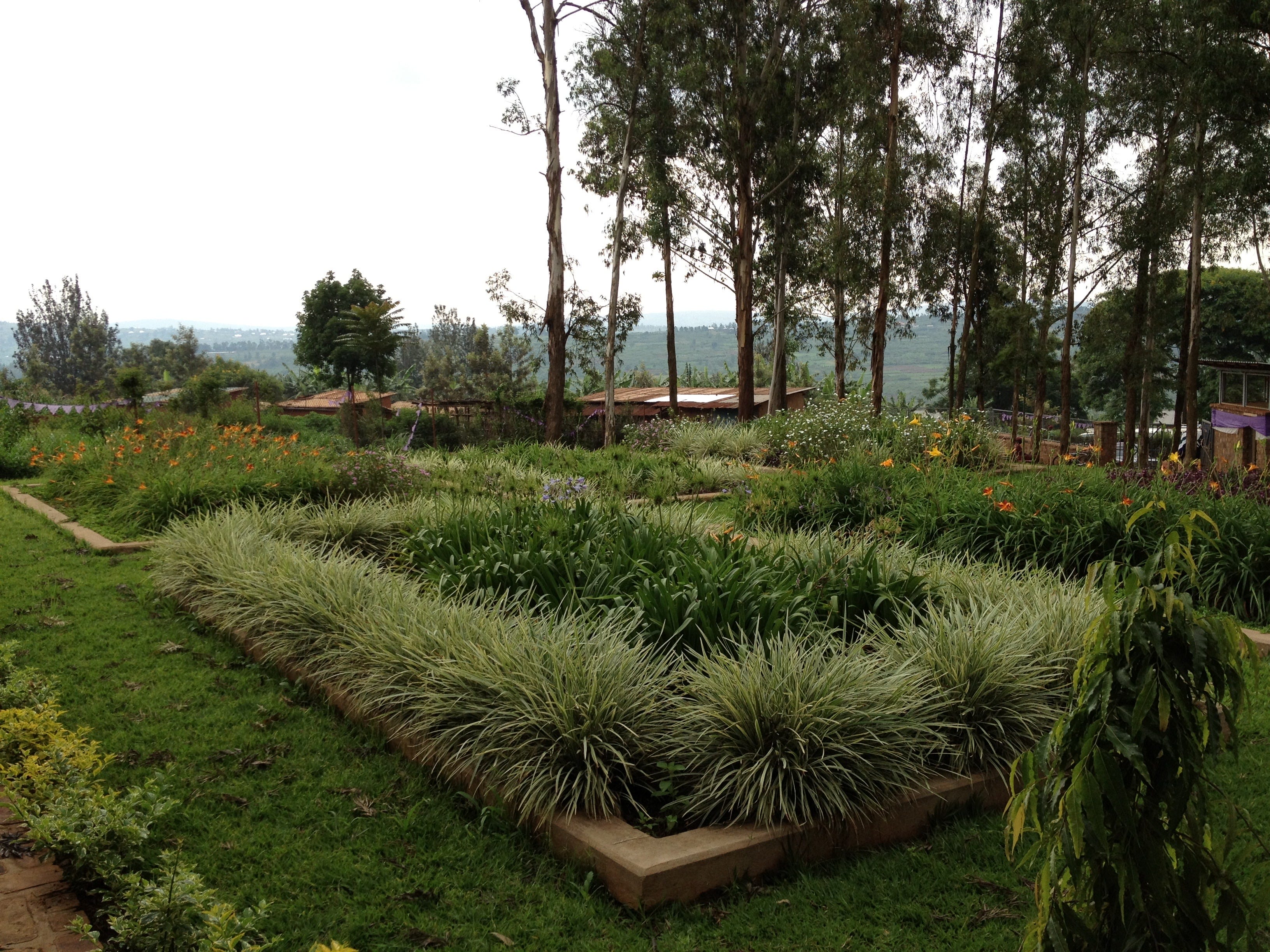
Ntarama and Nyamata: The Weight of Memory
Driving south of Kigali, the hills grow quieter. Banana groves line the road, and children wave as you pass. Then you arrive at Ntarama and Nyamata, two memorials that hold the memory of 1994 in solemn stillness.
These are not just historic sites, they are sacred ground. Inside, silence replaces the noise outside. It’s hard to describe the feeling without coming across as saccharine or cheapening it, but it’s not despair. It’s reverence. The caretakers tell you stories with grace and directness, not to shock but to remind.
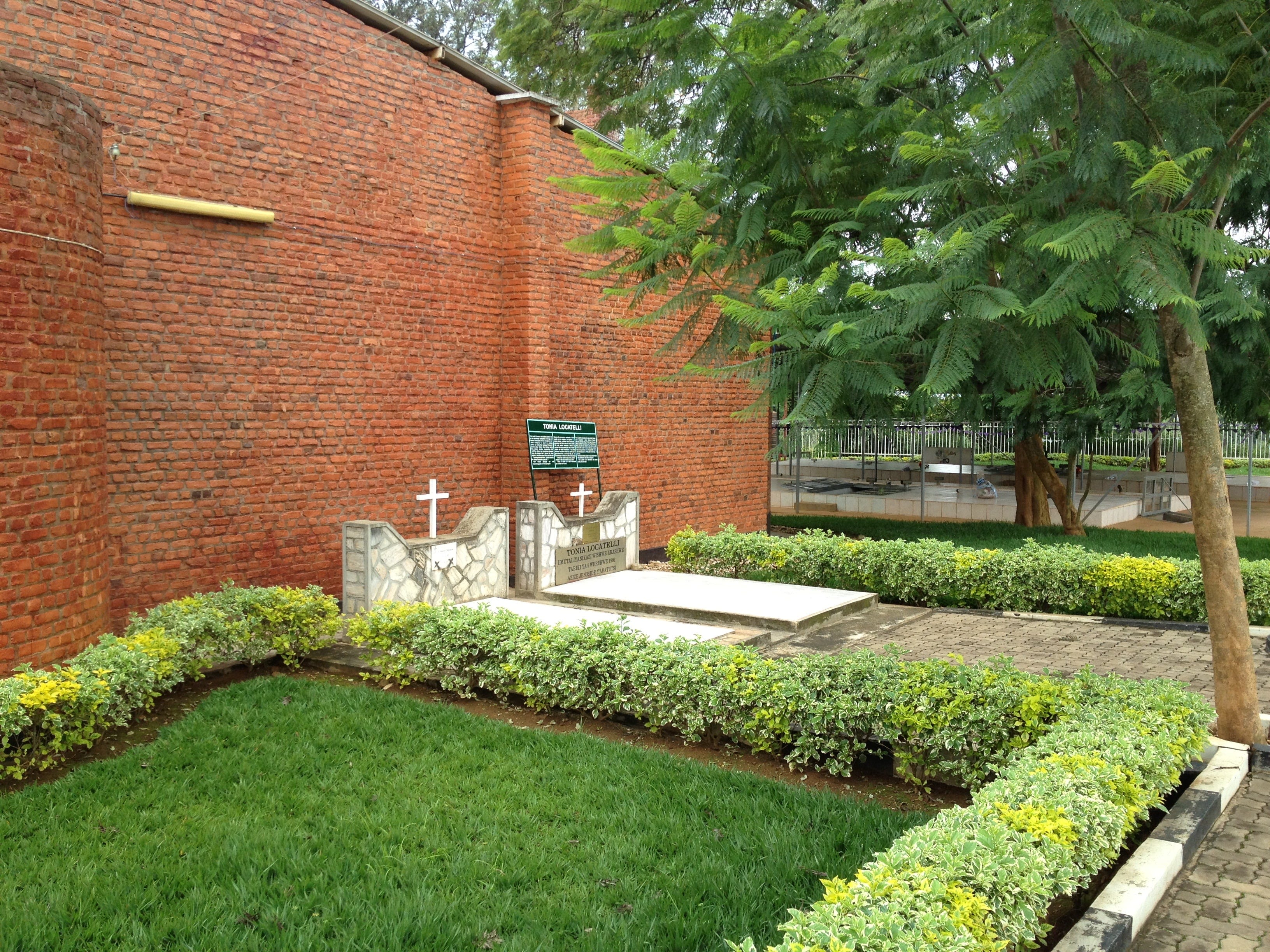
Kigali: The City of a Thousand Hills
Kigali rolls over ridges and valleys, every turn offering a new perspective on the city below…both literally and metaphorically. It’s one of Africa’s cleanest, safest capitals, where you’re more likely to talk about the future than the past.
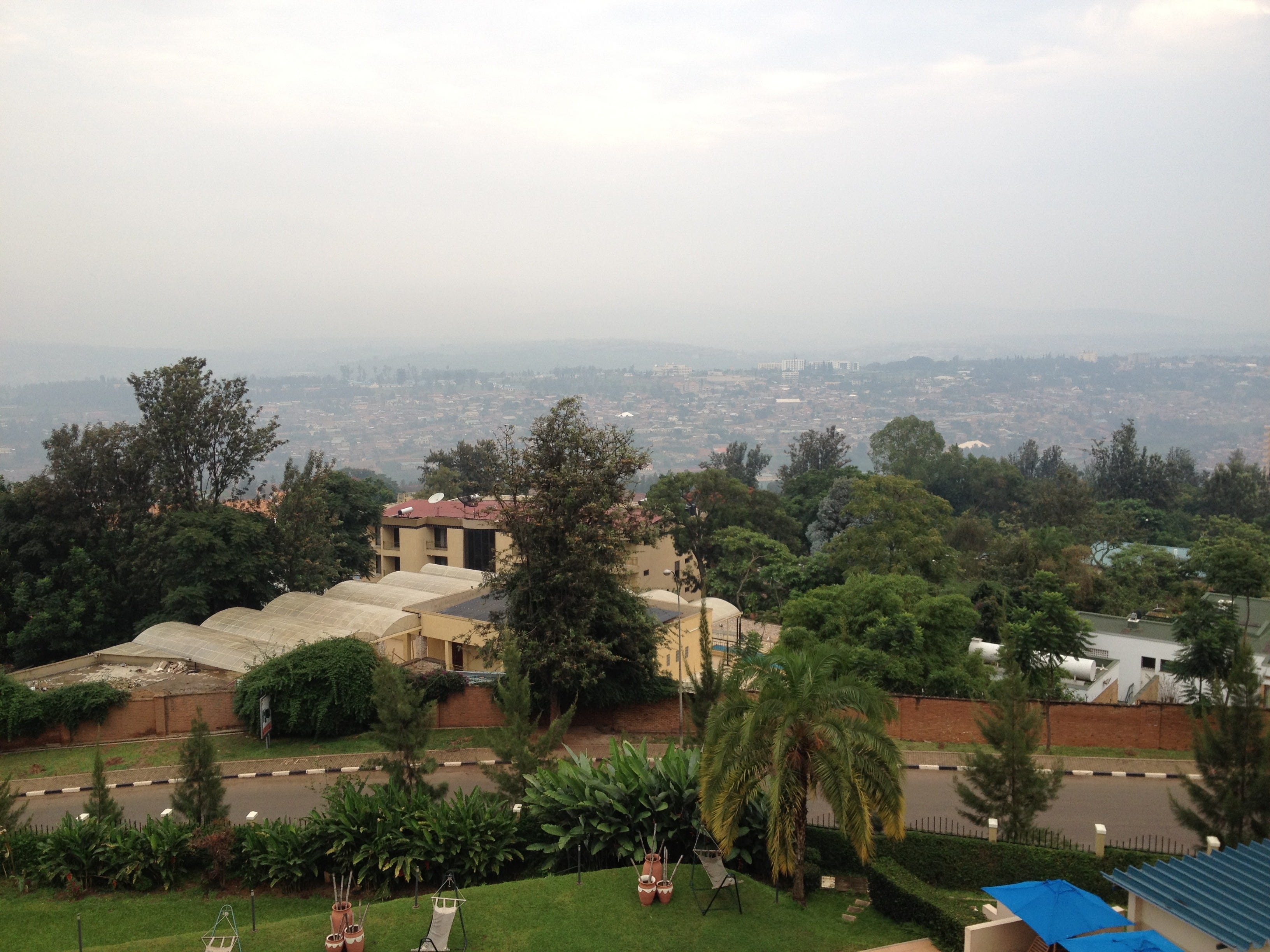
The Kigali Genocide Memorial sits quietly in the heart of the city. It’s not designed to overwhelm, but to educate. The gardens are immaculate, the exhibits unflinching. Names are engraved in black stone, and candles flicker beside children’s photos…young innocent faces reminding you that loss isn’t measured in statistics but in tens of thousands of individual stories.
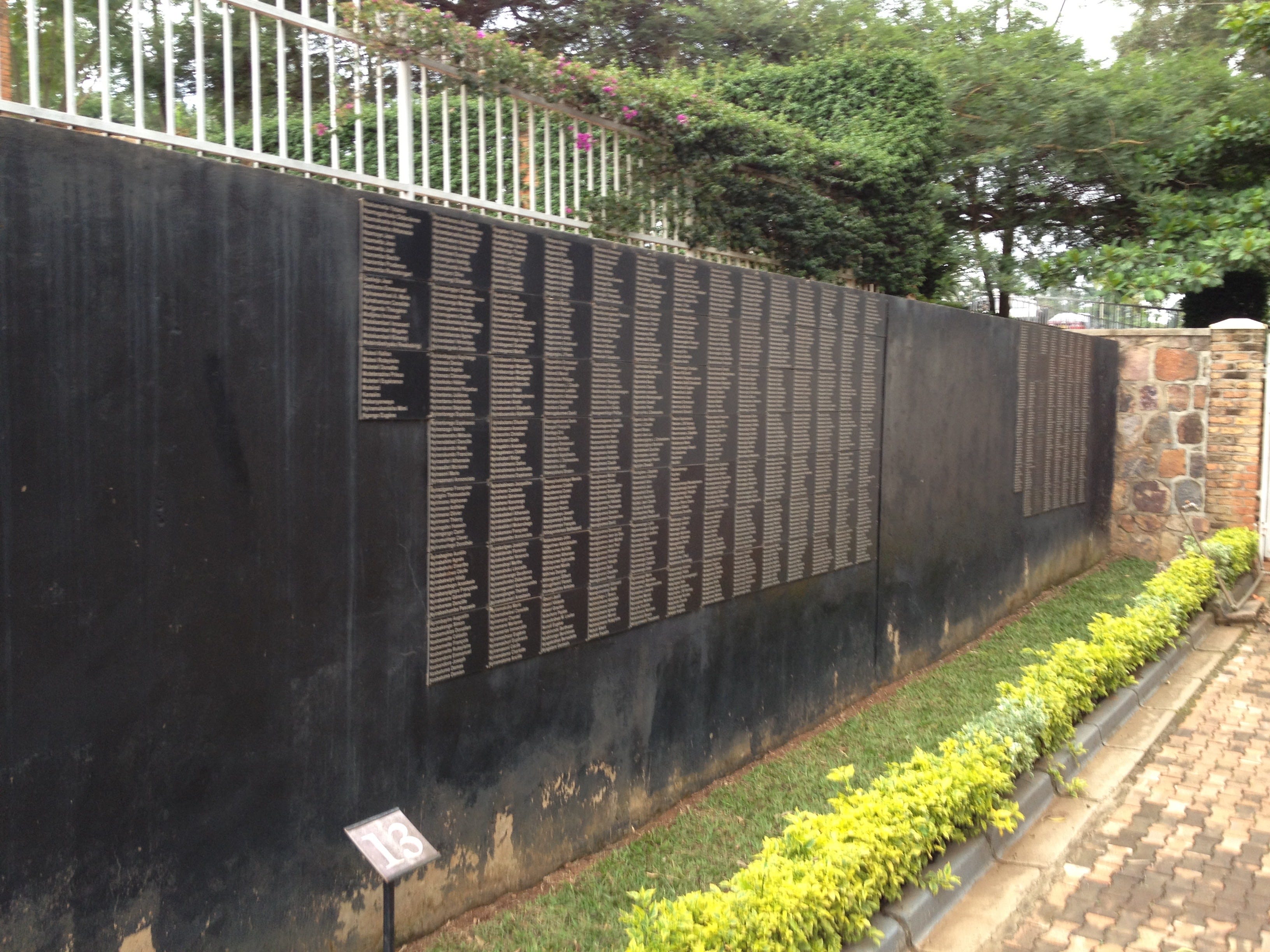
A Different Kind of Recovery
Rwanda’s path forward has been deliberate and, at times, controversial: strict strongman governance, zero tolerance for corruption, and an unrelenting focus on progress. Yet, the results are visible: paved roads, Wi-Fi in small villages, women in leadership, and a sense of national pride that feels deeply earned.
The contrast with Zimbabwe is instructive. After its own liberation struggle, Zimbabwe turned inward, consumed by resentment and policies that dismantled its prosperity. Instead of forgiveness Zimbabwe pursued vengeance. In contrast, Rwanda opened its doors to investors, NGOs, entrepreneurs, and focused on reconciliation instead of revenge.
South Africa had its own crossroads after apartheid. Archbishop Tutu and Nelson Mandela insisted on truth and reconciliation, not retribution. Rwanda, in its own way, followed that example, but with a quieter discipline. The message is simple: moving forward means seeing others not as “the other,” but as a neighbor and fellow human doing the best they can to pursue a better life for themself and their family.
Where History and Humanity Meet
You can still stay at the Hôtel des Mille Collines, yes, that one. The “Hotel Rwanda.” It’s beautiful, modern, and peaceful. The pool that once sheltered hundreds during the genocide now reflects blue skies and palm trees. Of course, thanks to Rwanda’s recent prosperity international chain hotels are a dime a dozen now so there are other choices if you prefer points over a place that oozes history.
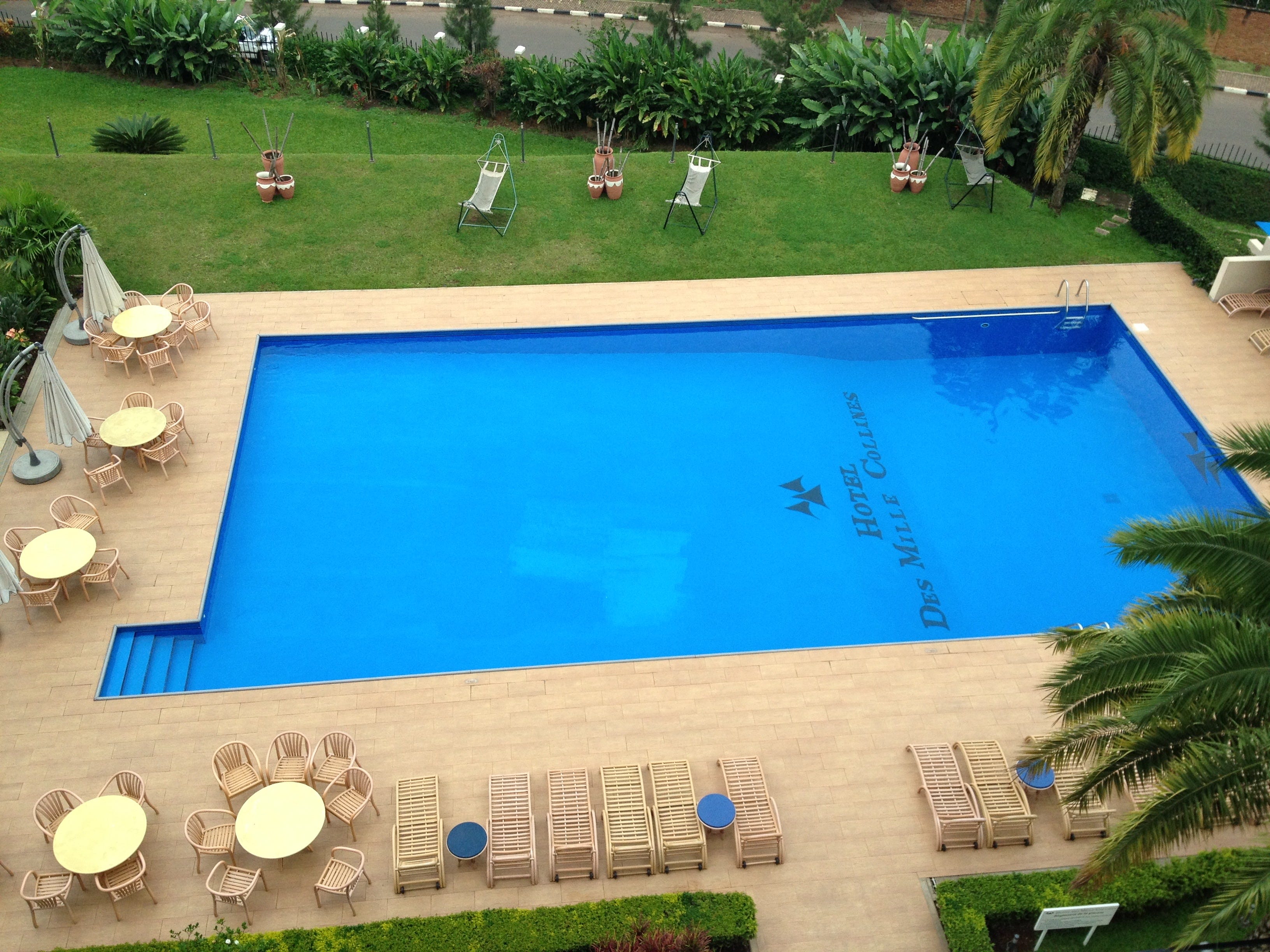
Sitting there with a cup of Rwandan coffee, it’s hard not to think about contrasts…horror and healing, memory and motion. That’s what makes Rwanda unforgettable: it forces you to face the worst of humanity and then shows you the best of it just moments later.
What You’ll Talk About Later
You’ll talk about how calm everything feels, and how that calm was built, not inherited. You’ll talk about the café owner who tells you her brother never came home “that night”, but she still smiles as she makes the best espresso in the city. You’ll talk about how forgiveness isn’t weakness, it’s courage on autoplay.
And you’ll talk about how seeing Rwanda up close changes your idea of “Africa.” It’s not chaos or charity, it’s resilience, rebuilt from the ground up, one neighbor at a time.
Practical Notes (Because Your Mom Will Ask)
How to get there: Flights from Brussels, Paris, Nairobi, Addis Ababa, and Doha connect daily to Kigali International Airport.
Where to stay: The Hôtel des Mille Collines is a landmark and a lesson in grace under pressure. For a quieter stay, try Heaven Boutique Hotel or The Retreat, both locally owned and socially conscious.
What to see: Visit the Kigali Genocide Memorial, then travel south to Ntarama and Nyamata. Balance those visits with a walk through Kimironko Market or a stop at Inema Arts Center, modern Rwanda that guarantees you’ll fill your bags with memories.
What to remember: Dress modestly at memorials. Don’t take photos without permission. Listen and look more than you speak. Rwanda’s story belongs to its people first.
Jason, thank you for sharing this side of the story — and so beautifully. It brought me to tears and gives me hope for humanity. We would do well to follow the Rwandan example of strength, resilience, and grace.