
“Where’s the fire, what’s the hurry about? You better cool it off before you burn it out. You got so much to do and only so many hours in a day.”
— Billy Joel, Vienna
Over the past few weeks, I’ve been writing a lot about risk. Not eliminating it, because that’s not possible, but understanding it, managing it, and deciding which risks are actually worth taking, both in life and in travel. Travel has a way of forcing those decisions on you, often in moments where you don’t have the luxury of time or perfect information. But there’s another tension that sits just beneath that conversation, one that’s less obvious but just as important: not whether to take risks, but how fast to move once you do.
Because in travel, as in life, there is always the pull to do more. Especially in our 24/7 always plugged-in and online lifestyle of 2026.
We are living in an era that rewards acceleration and “likes”. Scroll through social media and it feels like everyone is in motion, racing toward something: the youngest to visit every country, the fastest to visit every country in Europe, the most efficient itinerary imaginable. There is an unspoken assumption that if you are not maximizing your time, you are somehow wasting it. And if you are someone who is naturally curious, ambitious, or driven, it is very easy to internalize that message without even realizing it.
It’s an instinct I’ve certainly lived, and I know it’s one many of my friends experience as well. But over time, I’ve also come to recognize the tradeoff that comes with it. Because when everything becomes about the next place, the next milestone, the next achievement, you begin to lose something along the way. You stop fully experiencing where you are, because part of your mind is already somewhere else. Planning the next trip instead of enjoying the one you’re on. Looking for the next race instead of enjoying the process of training for your current one. You get the drift….
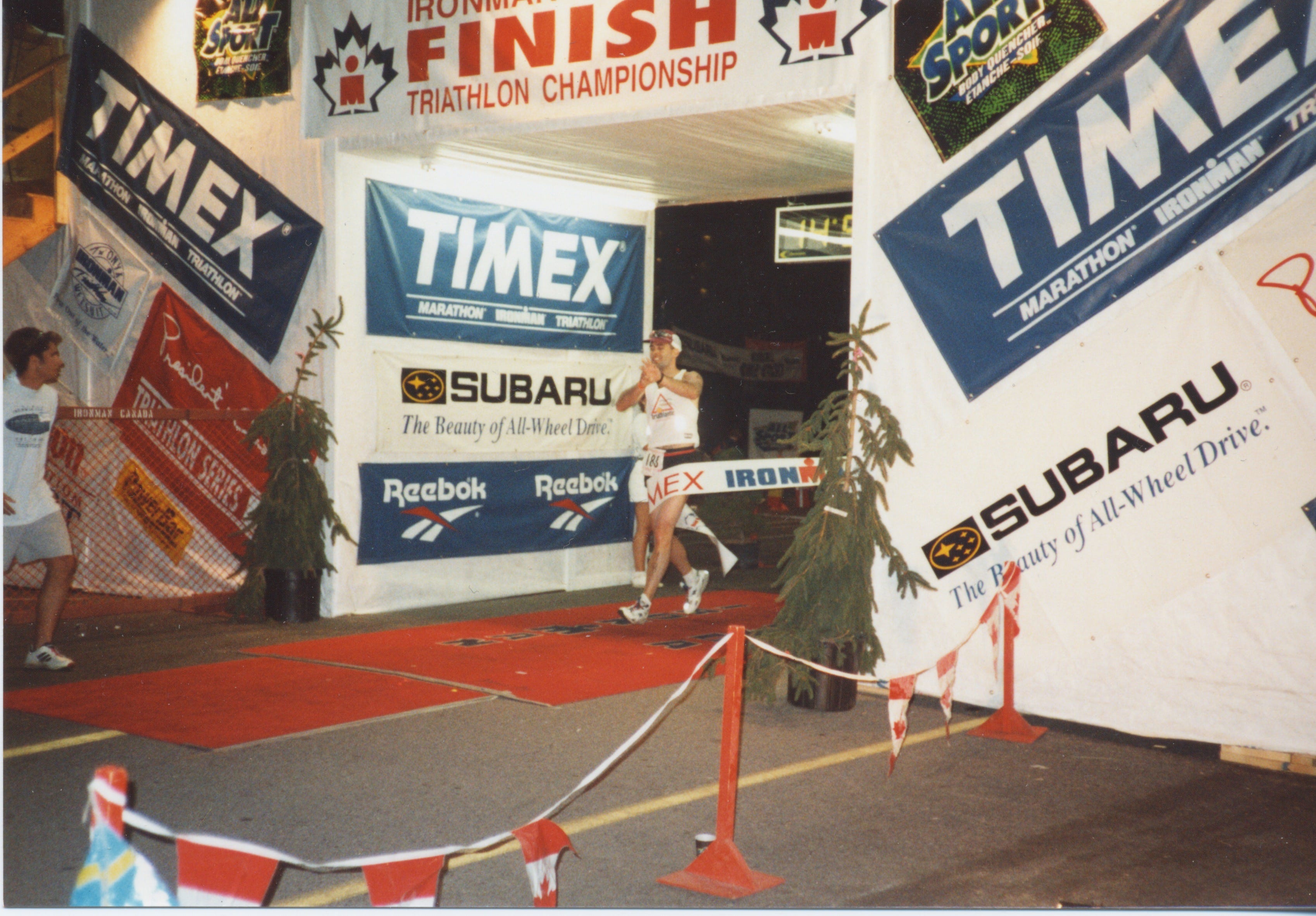
I learned this lesson long before I finished visiting every country. Before I did my first Ironman triathlon in 1996, I asked a veteran of the race what it would feel like to cross the finish line. I expected something dramatic, something transformative, the kind of moment that changes how you see everything that comes after it.
His answer was much simpler, and at the time, a bit surprising. He said you would feel incredible…for a moment. And then, almost immediately, you would start to wonder what comes next when the goal that’s consumed so much of your life for so long is finally accomplished.
It took me years to fully understand what he meant. When you invest so much time and energy chasing a goal, the achievement itself can feel fleeting. The finish line, which you imagined as an endpoint, turns out to be just another transition. And if you are not careful, you move on too quickly, without ever really sitting in what you just accomplished.
Travel can fall into that exact same pattern.
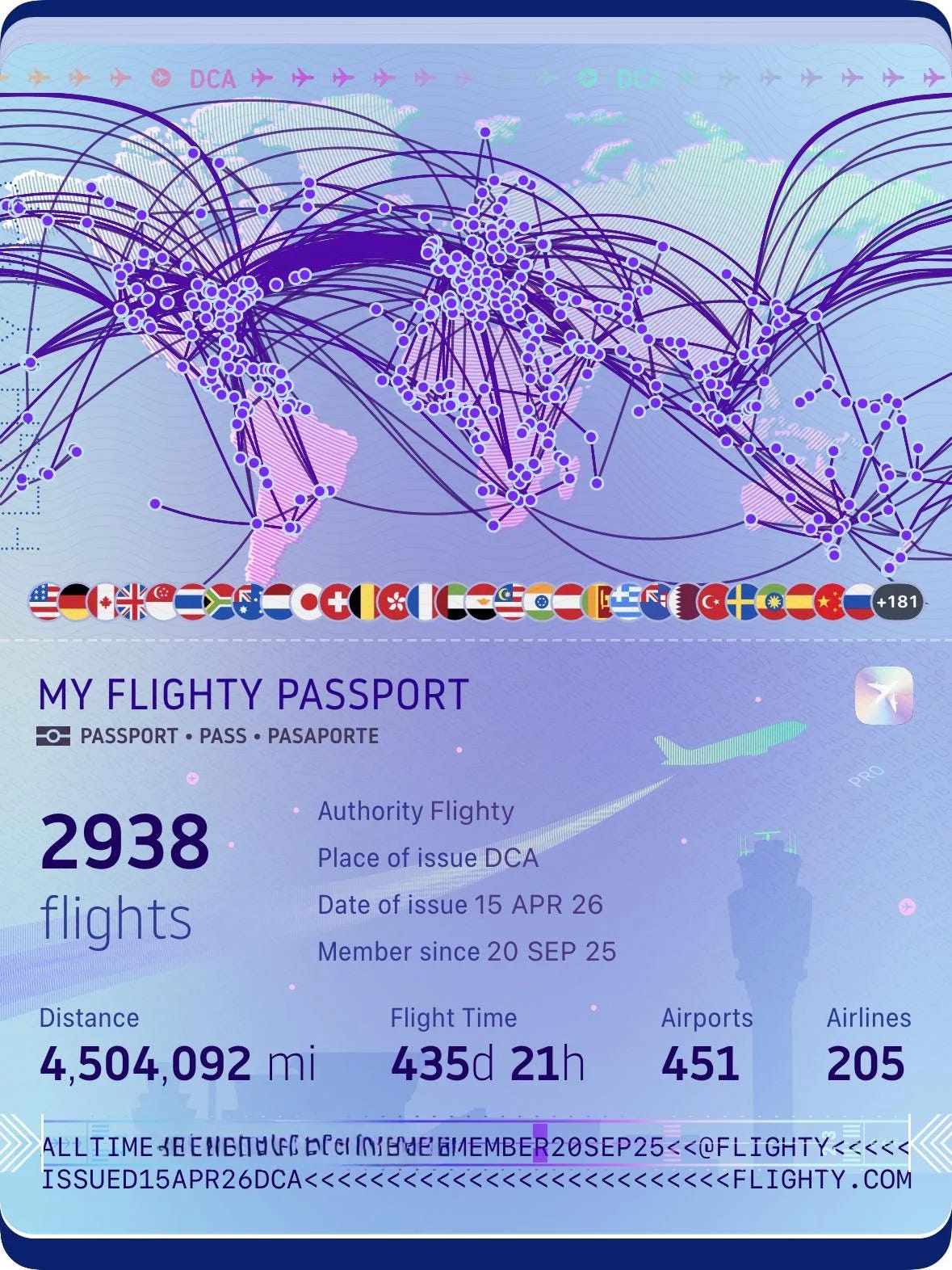
Looking at something like this, it is easy to feel a sense of scale. Nearly 3,000 flights, hundreds of airports, millions of miles traveled across the world. It represents years of movement, planning, and experience. But it also makes something else very clear, something that is easy to overlook when you are caught up in momentum.
You cannot see it all.
No matter how fast you go, no matter how efficiently you plan, no matter how many places you check off, there will always be more. Entire regions, cultures, and experiences that remain just out of reach. That realization can feel overwhelming at first, but over time, it becomes something else entirely. It becomes freeing.
Because once you accept that you won’t see everything, you can finally stop trying to.
There is a line in Billy Joel’s Vienna that captures this tension perfectly: “You can get what you want or you can just get old.” And the story behind the song adds another layer to it. Billy Joel once described visiting his father in Vienna and noticing an elderly woman, well into her later years, sweeping the street. When he asked why she was still working, his father explained that she had a job, she felt useful, she was part of something. She wasn’t finished.
That moment became the metaphor behind the song. Not everything in life is meant to be rushed toward an endpoint. There is no single moment where you are “done.” The meaning comes from the act of doing, of participating, of being engaged in the world over time.
That idea runs directly against the urgency we often bring into travel.
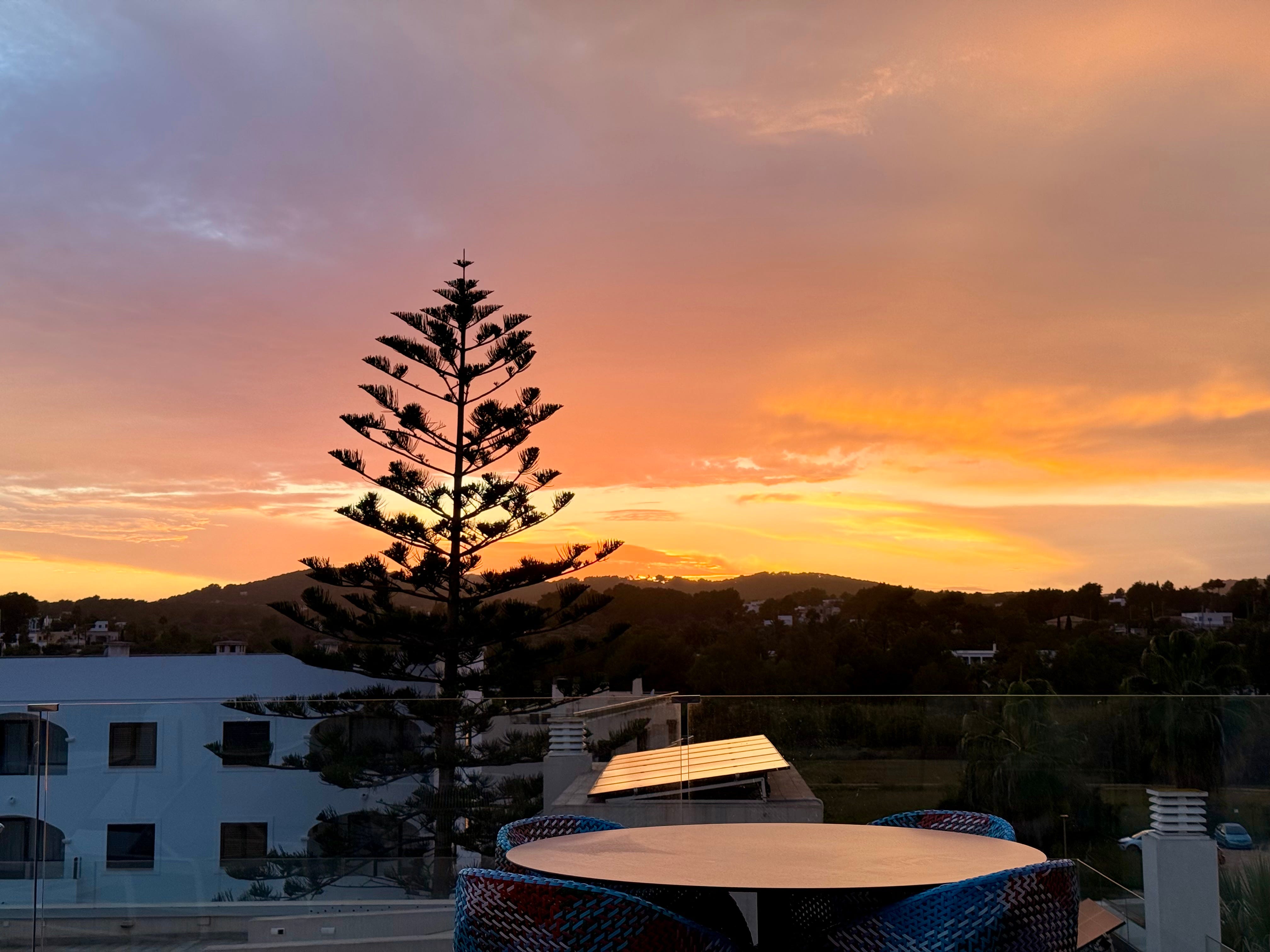
There is always more you could be doing. Another viewpoint to chase, another restaurant to try, another town just an hour away that everyone insists you have to see. The list is endless, and if you let it, it will define your experience.
But sometimes the right choice is the opposite. To stay where you are. To watch the light change. To let a place reveal itself slowly instead of trying to extract everything from it as quickly as possible. Those quieter moments rarely feel urgent at the time, but they are often the ones that stay with you long after the trip is over.
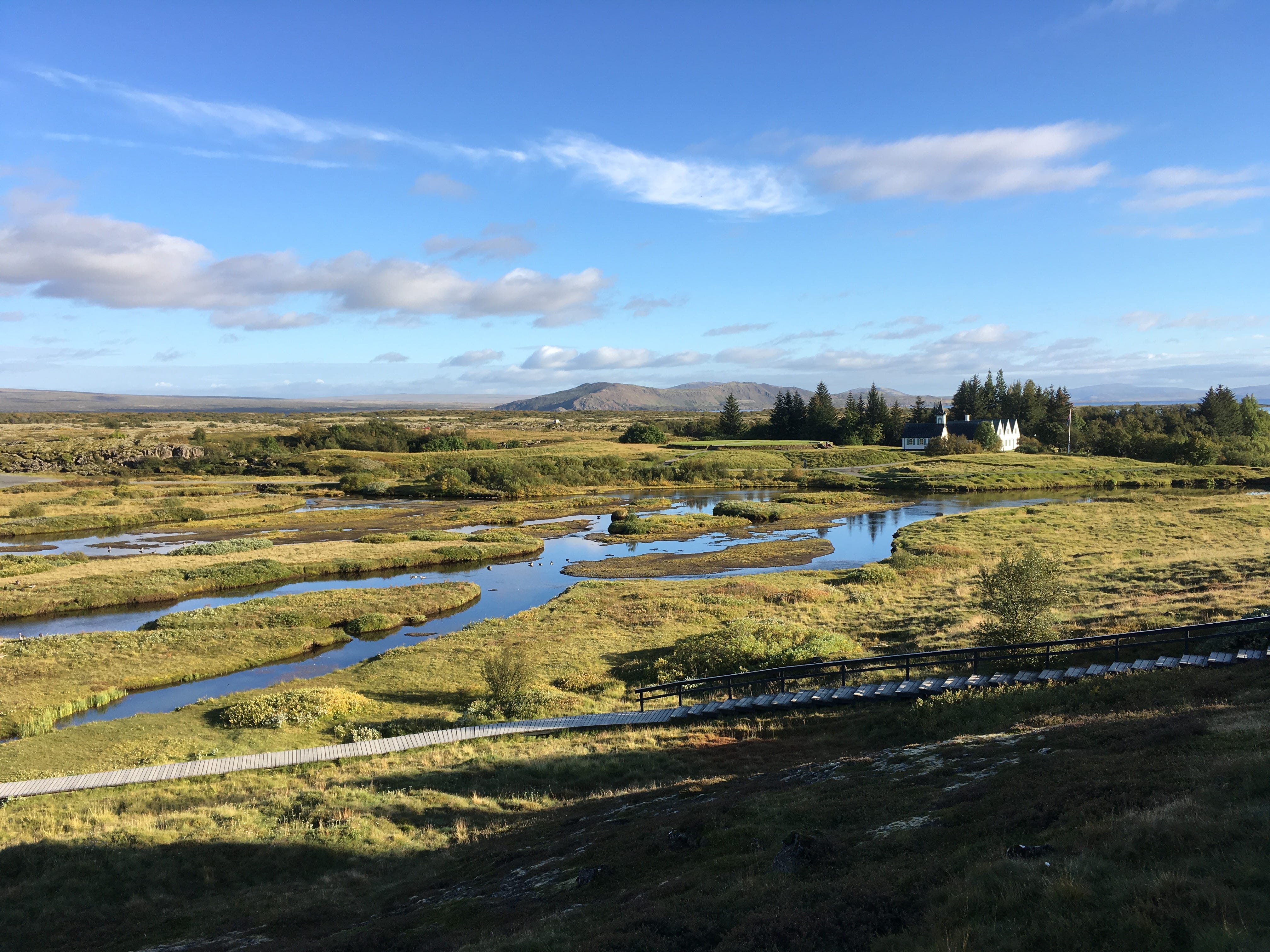
Places like this reinforce that idea in a different way. You can spend hours, days, even weeks in a landscape like this and still feel like you have only scratched the surface. And yet, the value is not in how much ground you cover, but in how present you are while you are there.
Because even in the most visually striking places, it is rarely just the scenery that defines the experience. It is the conversations, the unexpected moments, the subtle interactions that were never part of the plan. Those are the things that give travel its depth, and they are also the things you miss when you move too quickly.
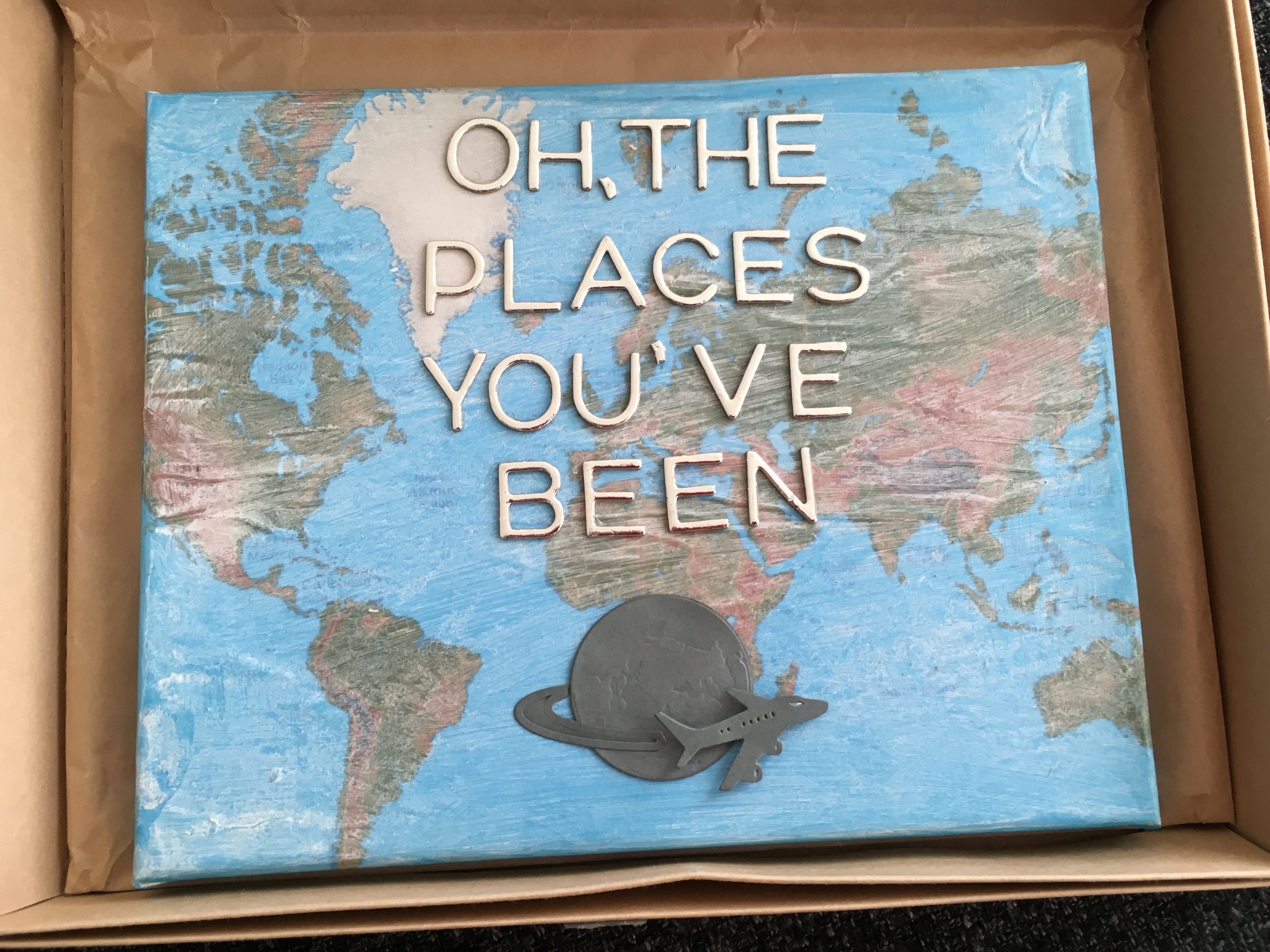
For all the miles, all the flights, and all the places, something like this still stands out more than almost anything else. Not something acquired along the way, but something given. A reminder that behind all the movement and ambition, there are people who support you, encourage you, and make those journeys possible in the first place.
Travel, at its core, is not about accumulation. It is about connection. And the moments that carry the most weight are rarely the ones you can plan or optimize. They are the ones that happen when you slow down enough to actually experience them.
This is the balance.
There is nothing wrong with wanting to see more, to go further, to push yourself beyond what feels comfortable. That curiosity is what drives travel in the first place. But if you move too fast, you risk turning the experience into something transactional, a series of boxes checked rather than moments lived.
Because whether you have two weeks, two years, or fifty years ahead of you, the goal is not to fill that time as efficiently as possible. It is to fill it with things that bring meaning, joy, and connection. And those things do not come from rushing.
They come from being present.
Over to You
Have you ever felt this tension while traveling…the pull between doing more and actually experiencing what is right in front of you?
And when have you gotten that balance right?
My life is so much better *because* I stopped ticking boxes. I'm also a creature of habit now. I like going to the same places and just noticing the little changes. I don't really get fomo anymore, because otherwise my life is just a series of fomos