
For years, I’ve been hearing the same thing over and over and it never really sunk in:
“You should write a book.”
It usually comes a few minutes after someone discovers I’ve visited every country in the world...or 196, if you’re using my admittedly obsessive way of counting. They assume that’s the obvious next step. Visit the world. Write the book. It almost feels like part of the contract.
The funny thing is, I never really wanted to.
It wasn’t because I don’t enjoy writing. Quite the opposite. I genuinely look forward to sitting down and trying to make sense of something I’ve experienced. The problem was that I never felt I had a book that needed to be written. There are already wonderful travel memoirs. There are guidebooks, coffee table books, books about visiting every country, books about finding yourself on the road. I wasn’t sure I had anything unique to add to the shelf.
Then, a few weeks ago, it hit me…I’d already named the book years earlier.
I just hadn’t realized it.
When I started traveling internationally, I thought the destinations were the story. I was fascinated by airports, passports, unfamiliar languages and countries I’d only ever seen in an atlas. Every border crossing felt like unlocking another piece of the world, and for a long time I measured my travels the same way most people do: by where I’d been.
Somewhere along the way, though, I realized I almost never tell people about the destinations.
I tell them about the taxi driver.
Or the border guard.
Or the woman who invited me into her home along with a dozen strangers to show me her doll collection from travelling around the world.
Or the tiny plane that landed on a dirt runway because there wasn’t another way to reach the village.
The countries simply became the settings. The stories were always about the people, the moments, and the unexpected turns that happened once I got there.
I think part of the reason it took me so long to see this is because of the people I’ve been lucky enough to spend my life and career around.
For twenty-five years I worked at the World Bank alongside people whose jobs routinely took them to places most travelers never visit. I started spending more and more time with people who thought nothing of spending a weekend in Central Asia or a vacation in West Africa. Visiting fifty countries wasn’t unusual in that crowd. Neither was one hundred…but even they often found my travels unusual and “exotic.”
When you surround yourself with people whose stories sound just as extraordinary as your own, it’s surprisingly easy to convince yourself that yours aren’t particularly special.
Then something funny happens.
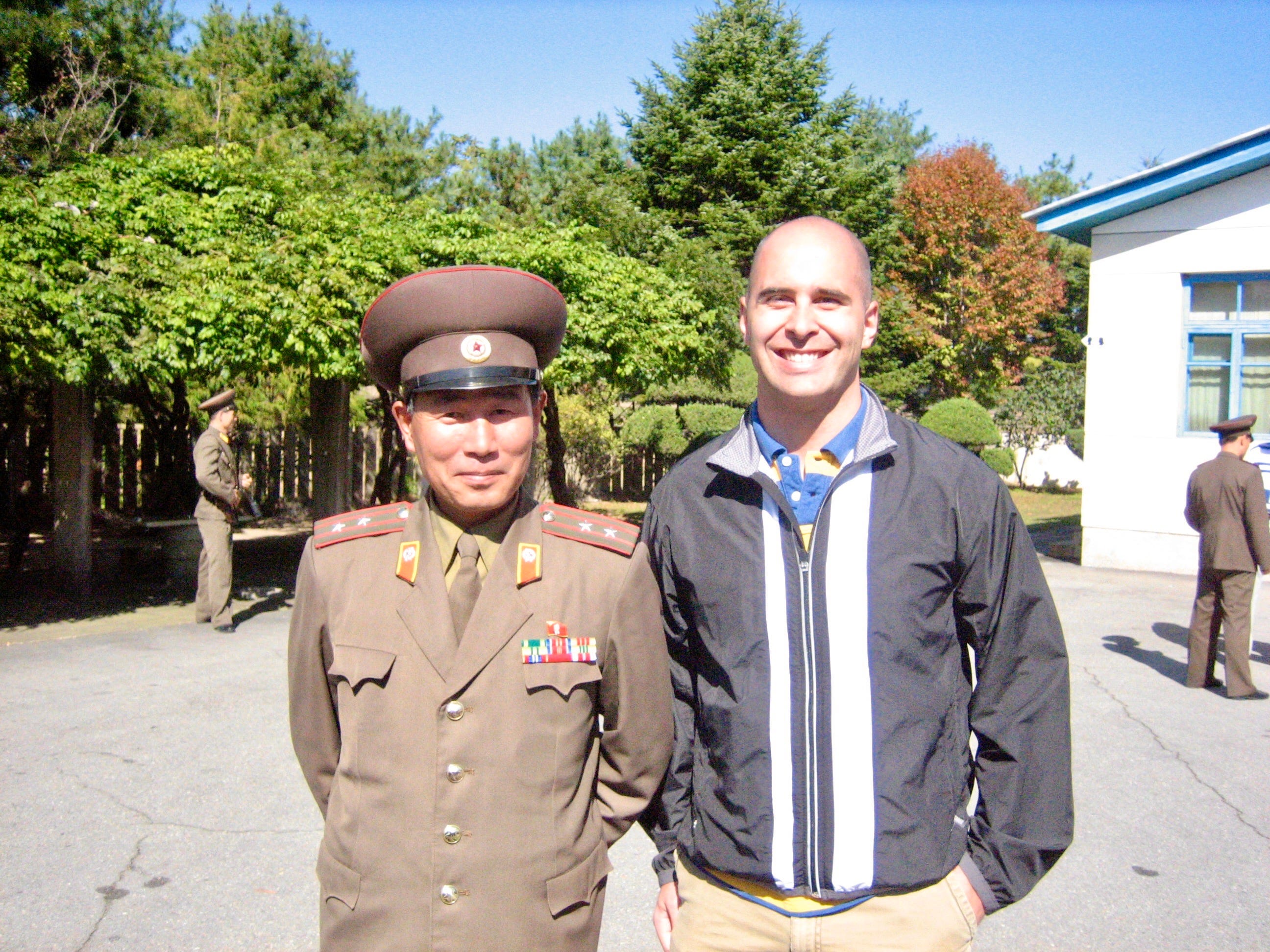
You mention your trip to North Korea at a random dinner with the Director of one of DC’s “Alphabet agencies” and they drop their fork.
Or tell someone about hiring a boat to cross from Colombia into Peru.
Or explain why you voluntarily flew three different airplanes just to visit one tiny region that almost nobody has heard of.
Suddenly you’re reminded that what has become normal to you is anything but normal to most people.
That’s when I finally understood what people had been trying to tell me all along.
They weren’t asking for another book about visiting every country.
They were asking for the stories.
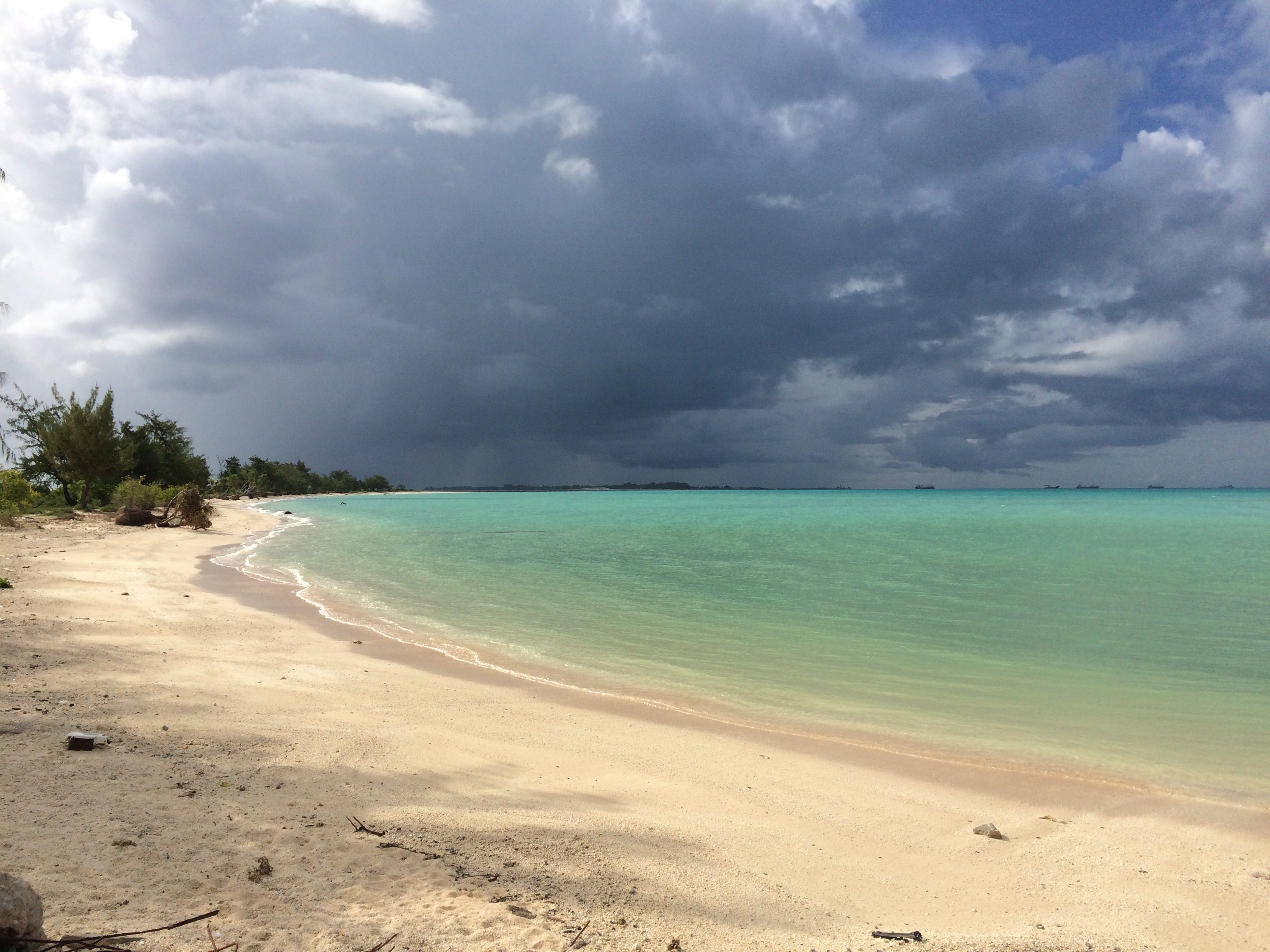
Not because everyone dreams of standing on the North Korean border or finding themselves on a beach in Kiribati, but because stories have a remarkable way of making distant places feel human. We remember stories far longer than statistics. We remember awkward moments, unexpected kindnesses, ridiculous travel mishaps and the people who quietly changed our perspective without ever realizing they’d done it.
Those are the memories that have stayed with me too. Years later, I rarely remember what a plane ticket cost or what “must see” thing I saw in a museum. I remember the taxi ride that became a philosophy lesson, the stranger who insisted I join his family for dinner, the airport that looked more like a garden shed than a terminal, and the border crossing that taught me patience better than any self-help book ever could.
That’s also why I think these essays have grown into something I never expected.
When I started writing 196 Stories, I assumed the audience would mostly be other travelers. People chasing new countries, obscure flights or impossible itineraries.
Instead, many of the messages I treasure most come from people who have never been to any of the places I’m writing about. They aren’t reading because they want to copy my itinerary.
They’re reading because the stories remind them of something they’ve felt in their own lives: curiosity, uncertainty, excitement, fear, wonder or the simple joy of trying something new. The destination almost becomes incidental.
And honestly, that’s incredibly freeing to me.
Because maybe the goal was never to convince someone to visit Kiribati or Abiye or North Korea.
Maybe it’s simply to convince someone to finally apply for a passport.
Or book the trip they’ve been putting off.
Or say yes to an opportunity that feels just a little outside their comfort zone.
Some people will discover they love traveling.
Others won’t.
Both are perfectly okay.
What matters is giving yourself the chance to find out.
So yes...maybe there will be a book someday soon. I certainly hope so. Not because I visited every country, but because every country gave me another story to share.
Looking back, I can’t believe it took me this long to realize it, because the answer had been staring me in the face from the very beginning.
It’s the name at the top of this page: 196 Stories.
Not a travel checklist. Not a guidebook.
Just a collection of stories from a very curious life that I hope encourages someone else to become a little more curious about their own.