One of the most common pieces of travel advice you’ll hear repeated over and over sounds so simple:
“You have to eat like a local when you go there.”
It sounds wonderfully adventurous. Skip the tourist restaurants. Find the tiny place with no English menu. Order whatever everyone else is having. If you really want to understand a country, the argument goes, start with its food.
There’s certainly some truth to that, but there’s also a dirty little secret that almost nobody talks about: after a few weeks traveling through remote parts of the world, sometimes you’re not searching for authenticity.
You’re just hoping to find something that won’t spend the next three days trying to kill you and make you regret your life choices.
Anyone who’s spent even a little time on the road knows exactly what I’m talking about. Somewhere between your second questionable street meat and your first frantic search for a pharmacy in a language you don’t speak, your definition of a “good restaurant” changes dramatically.
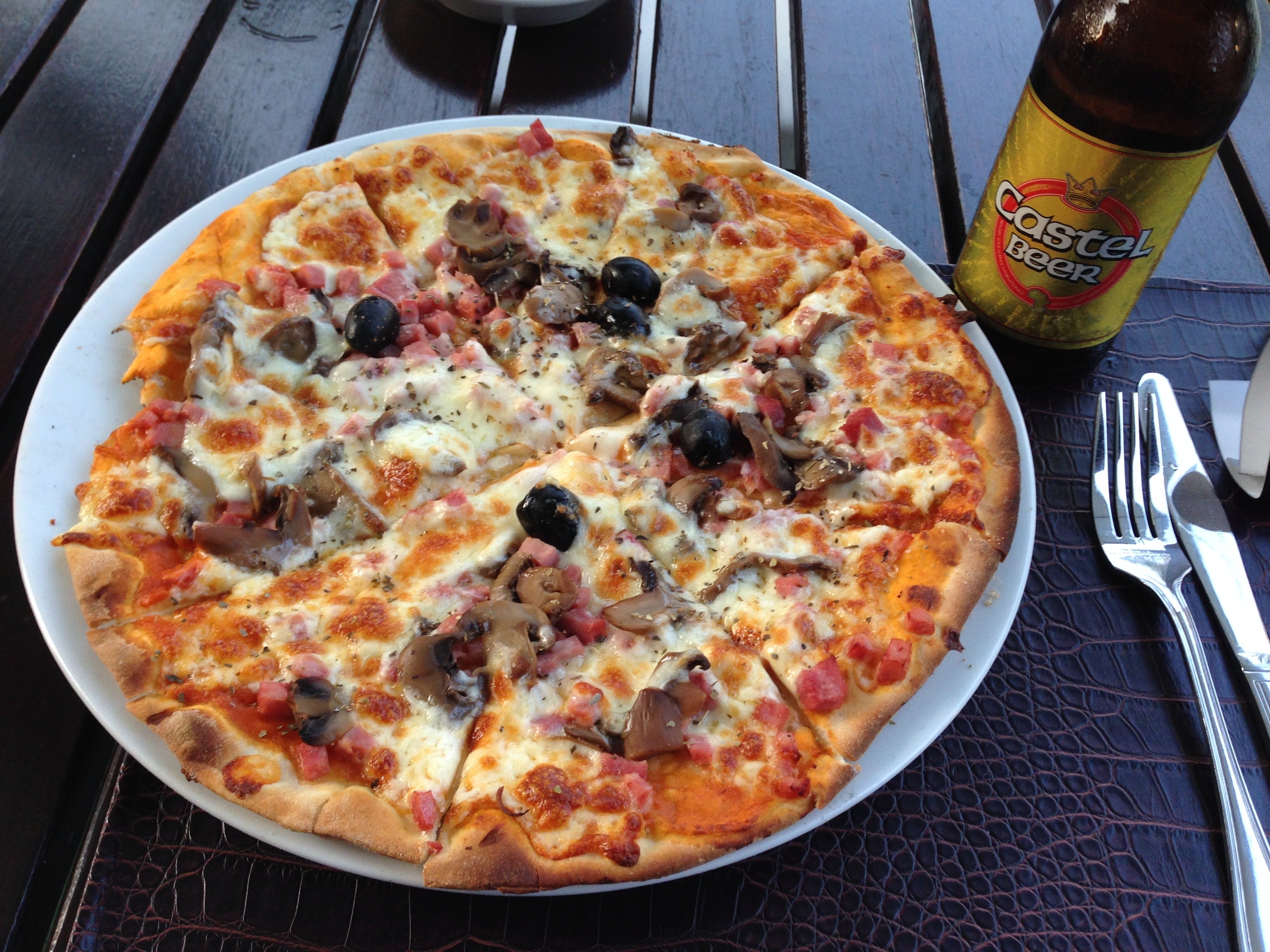
Suddenly, pizza starts looking like one of humanity’s greatest inventions.
The funny thing is that the more I’ve traveled, the more I’ve realized “local food” isn’t nearly as straightforward as self-proclaimed travel gurus make it seem.
Walk around almost any city in the world today and you’ll find pizza. And burgers. And sushi. And fried chicken.
…and if you’re really lucky (at least in my books) coffee shops with hipsters that wouldn’t look out of place back home.
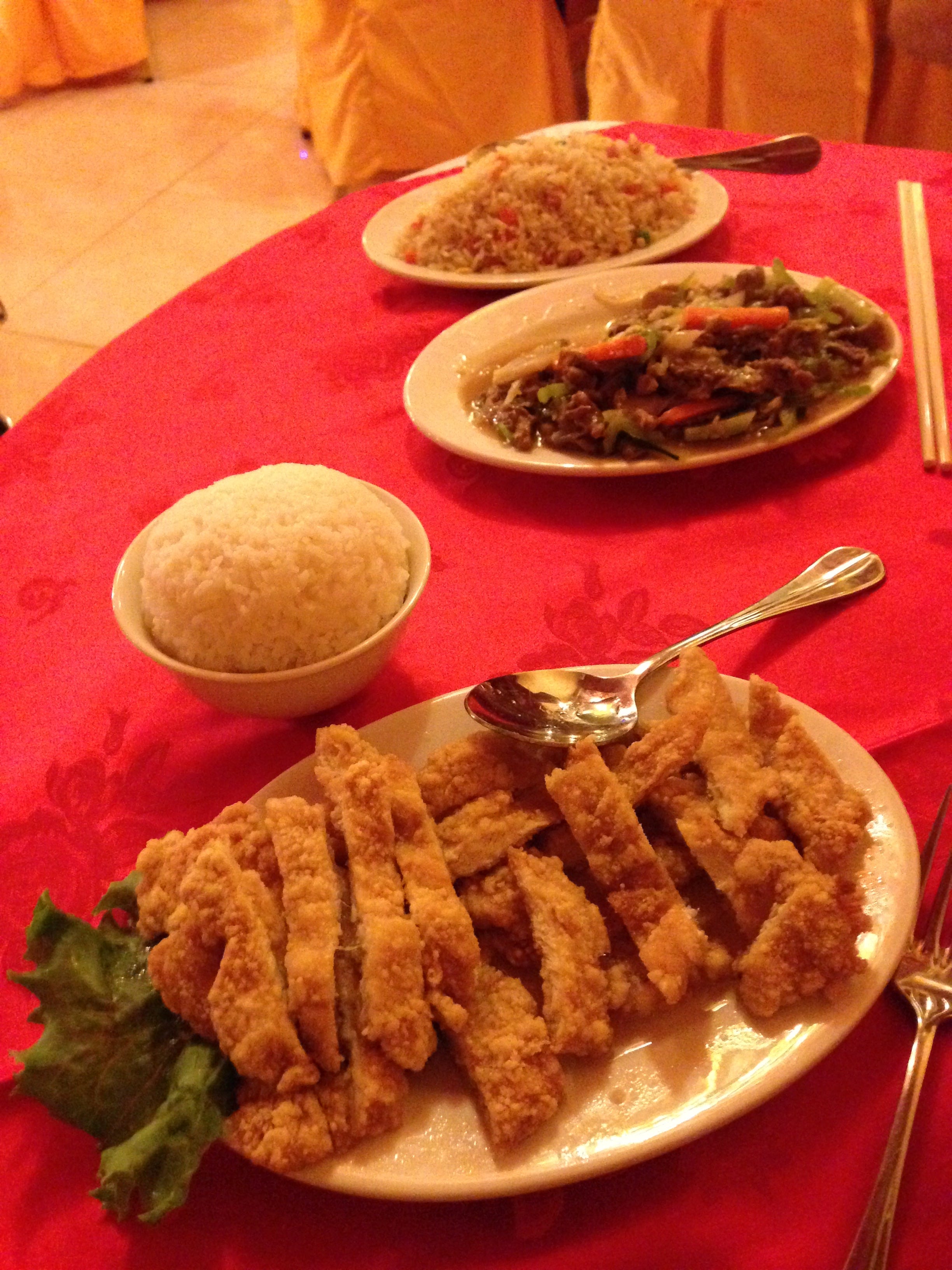
One of the biggest surprises for me has been Africa. (Let’s be honest: one of the best parts about Africa in general is all the wonderful surprises.) Thanks in part to decades of Chinese investment, I’ve lost count of the number of surprisingly good Chinese restaurants I’ve found in places where I never expected them. Not because they’re catering to tourists...there usually aren’t any...but because that’s simply part of modern life there.
Authenticity isn’t frozen in time, and neither are the people who live there.
We sometimes forget that locals don’t wake up every morning asking themselves “hey, how am I going to eat more authentically today?”
They’re just...you know…people.
Sometimes they cook family recipes that have been passed down for generations, and sometimes they order pizza because it’s Friday night.
Sometimes they grab burgers after work, and sometimes they celebrate birthdays at the local Chinese restaurant.
Think about your own hometown and how often you eat the cuisine your region or country is famous for?
If someone visited Australia, would I insist they eat meat pies, barramundi, and kangaroo and wash it down with a flat white every day? Of course not.
I’d probably suggest Thai one night, Chinese the next, and tell them where to find the best little hole in the wall wine bar.
So why do we expect everyone else in the world to live inside the pages of a guidebook?
That realization has changed the way I think about food while traveling. I still love trying regional specialties whenever I can, but I’ve stopped treating every meal as some kind of authenticity exam that I either pass or fail.
Sometimes the most local thing you can do is simply eat what everyone else around you happens to be enjoying.
Recently I watched a friend use AI repeatedly on a trip to translate a menu. Then he asked it to recommend “something really local.” Then he asked which dish it thought he’d enjoy most. Objectively, it was brilliant.
AI knew his preferences. It understood the menu. It could probably recommend something he might never have picked on his own.
But I realized I wouldn’t want it to do that for me. Not because I think it’s wrong, but because, for me, it removes the best part:
I’ve ordered things I couldn’t identify. I’ve accidentally eaten dishes I still can’t name.
I’ve loved meals I never would have chosen based on my preferences.
I’ve also had more than a few spectacular failures, and those failures usually make the best stories.
Travel has always been a little messy, and for me that’s exactly the point.
Which brings me back to that original advice:
Yes...eat like a local.
But maybe we should spend less time trying to define what that actually means.
Sometimes it means the family recipe that’s been served for generations, sometimes it means the Chinese restaurant that’s become part of everyday life, sometimes it means pizza after work because nobody felt like cooking.
Food, like travel itself, refuses to fit into neat little categories.
And maybe that’s exactly why I love it so much.
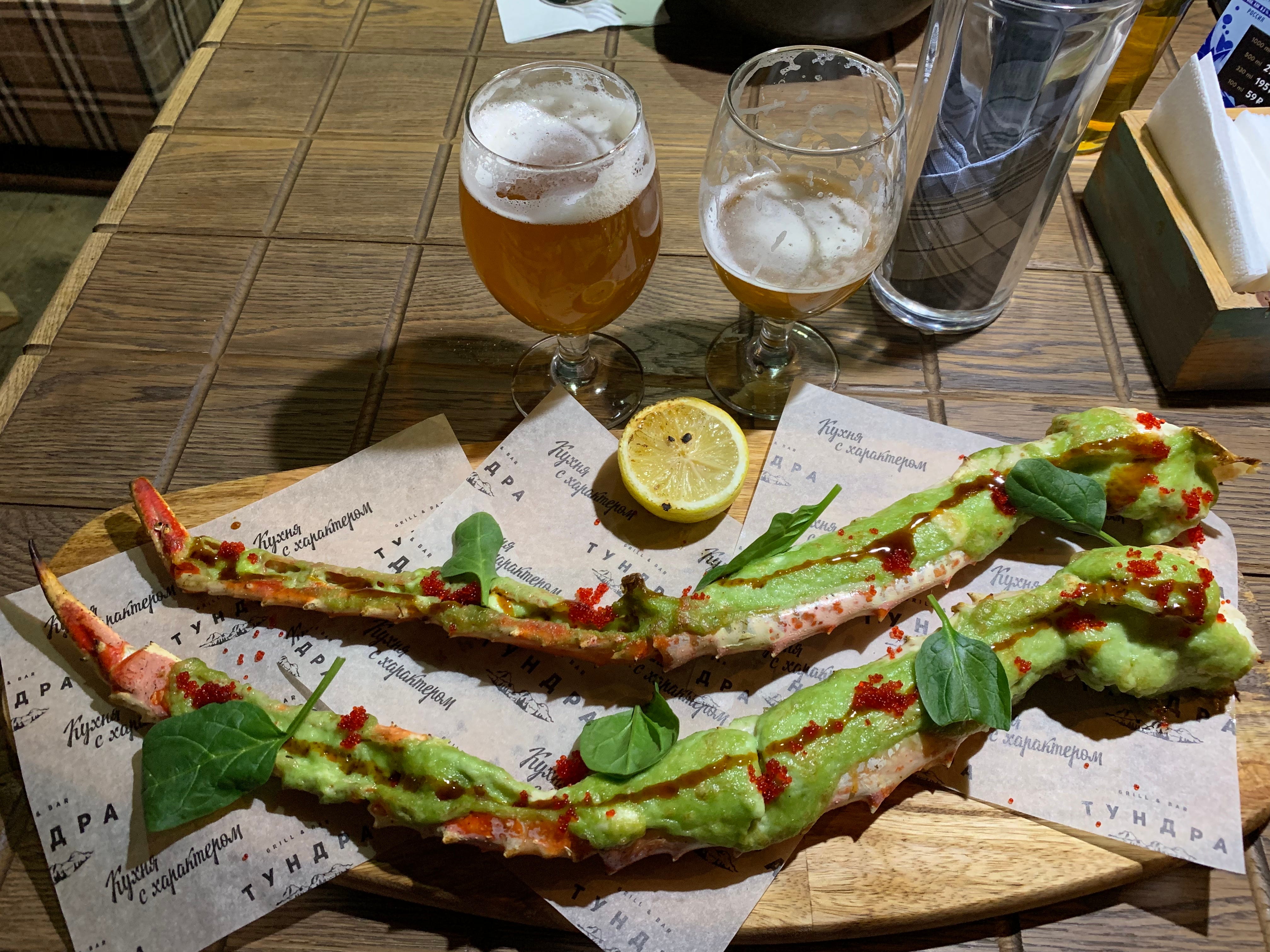
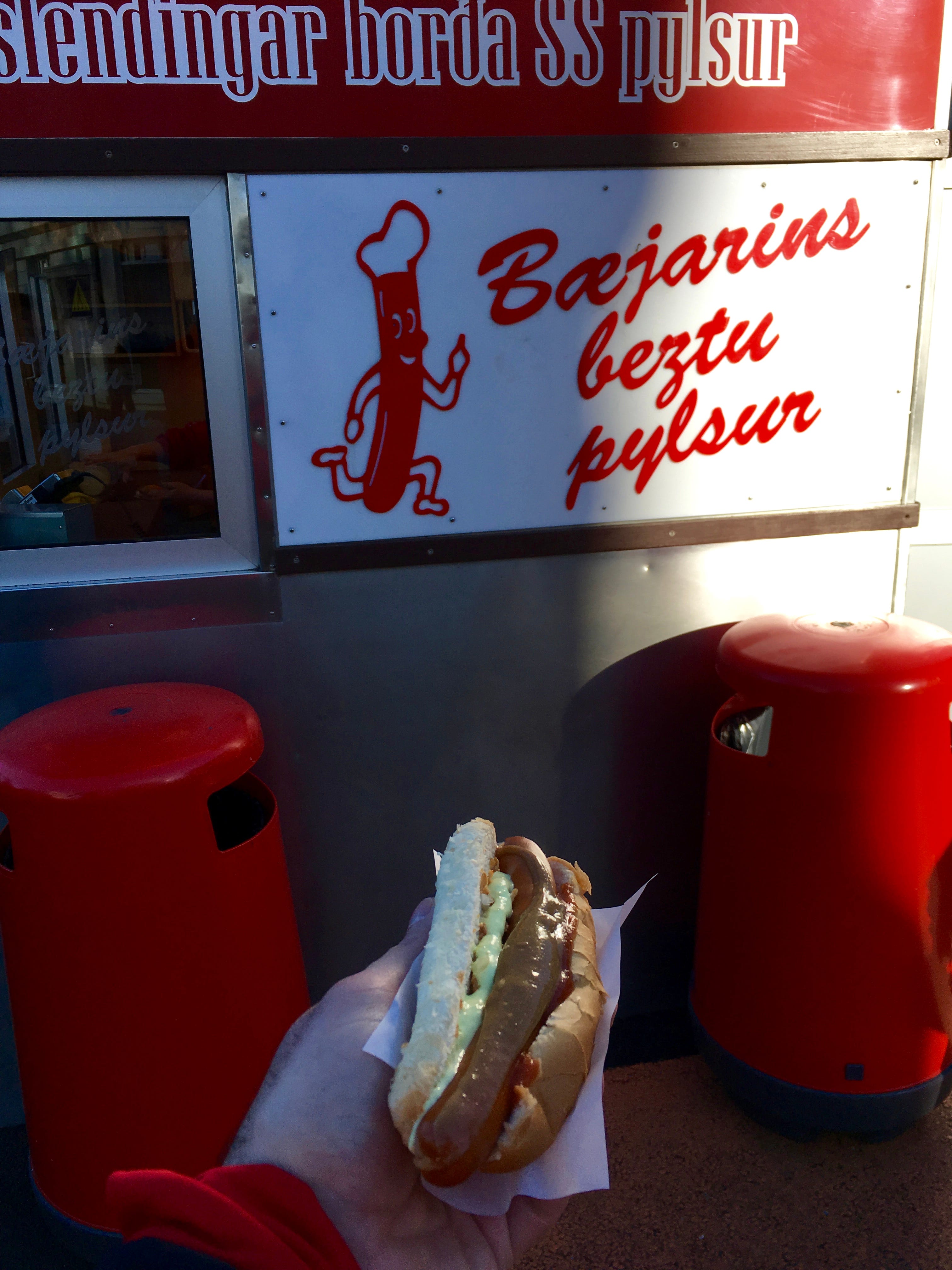
Because whether it’s king crab in Murmansk, lemon chicken in Cabinda, pizza in Cameroon, or the world’s most famous hot dog in Reykjavík, the meal is rarely the thing I remember most.
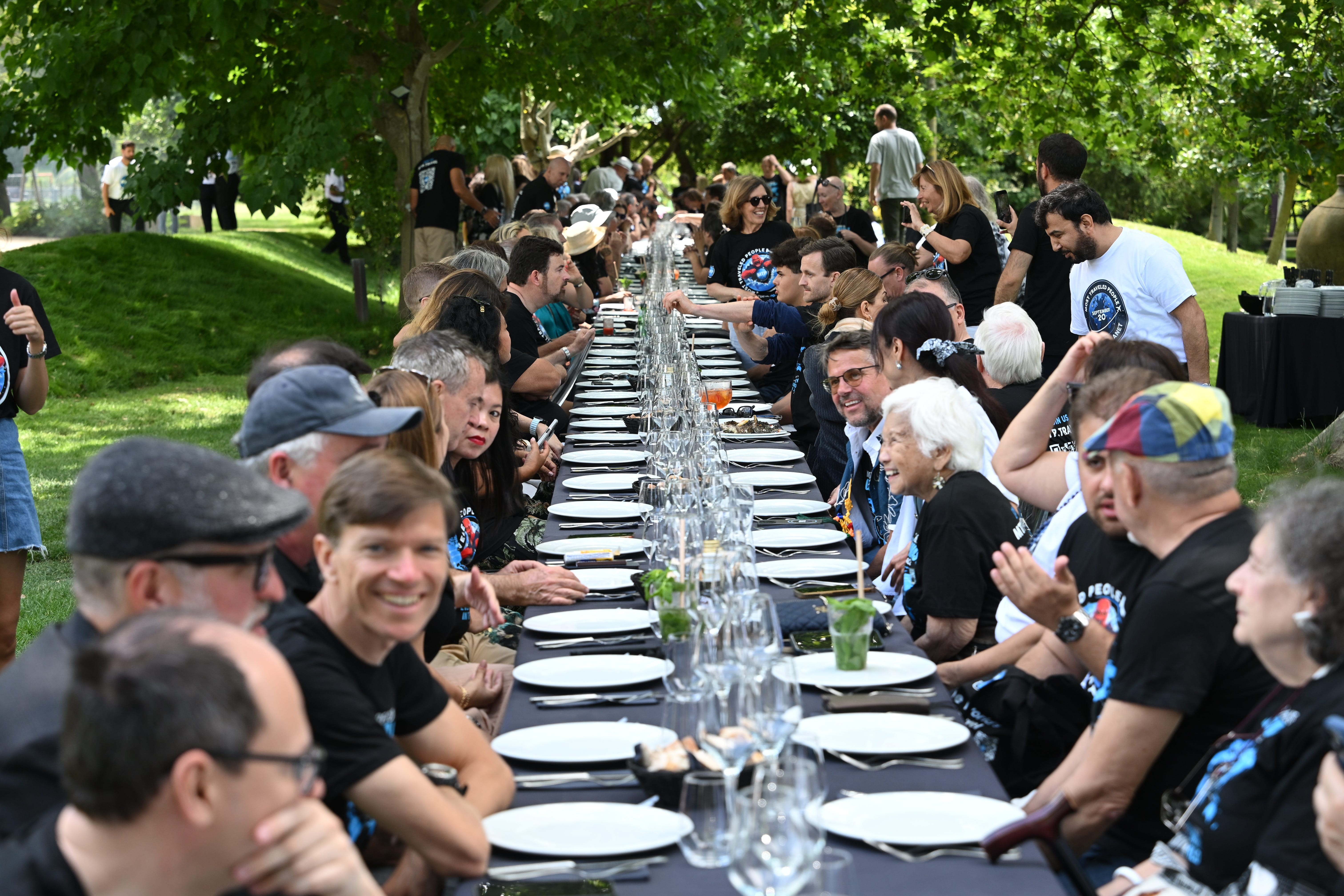
It’s the conversation, the people around the table, the laughter after ordering something completely unexpected.
Years later, I can barely remember what half of these dishes tasted like, but I can easily remember exactly who I shared them with.