The Passport That Almost Got Away
Why travel mistakes are inevitable, and why sharing them makes all of us better travelers.

One common misconception about experienced travelers is that at some point you get “so good” that you stop making mistakes. After decades on the road, hundreds of flights, and thousands of border crossings, people assume you eventually develop a flawless system. You know where everything is, you know how every airport works, and nothing ever goes wrong.
That is absolutely not how travel works.
In fact, the longer you travel, the more mistakes you are likely to make. Not because you are careless, but because you are constantly operating in unfamiliar systems: different languages, different transportation networks, different bureaucracies, different cultural expectations. Travel necessarily is friction, and friction inevitably produces mistakes. The real skill of travel is not avoiding mistakes entirely…that’s impossible. The real skill is learning from them, admitting them, and sharing those lessons so others can benefit.
Which brings me to something I did yesterday.
I lost my passport.
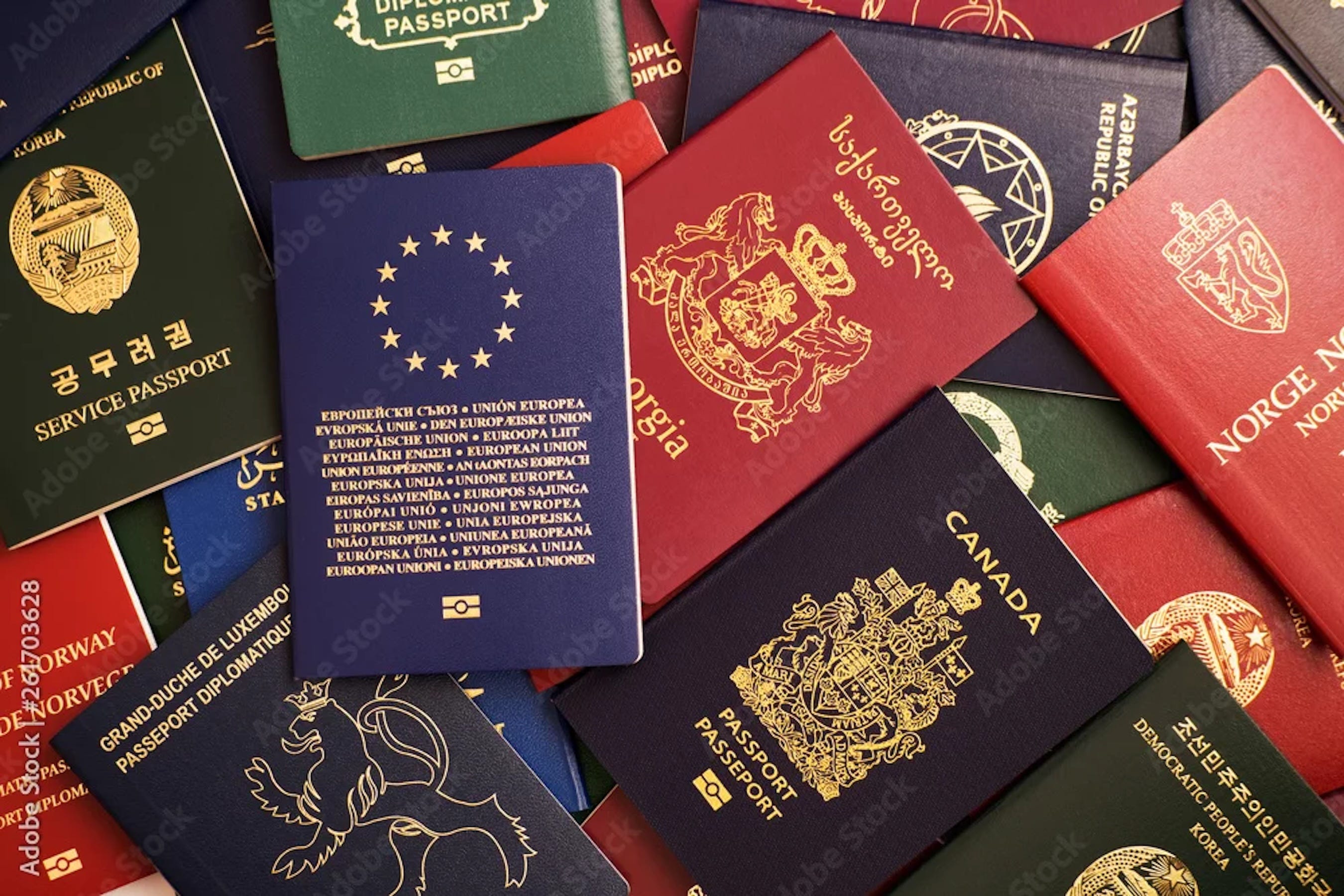
A Train Odyssey
Yesterday was one of those classic European travel days where the phrase “you can’t get there from here” becomes painfully real. The itinerary involved four trains and three connections, the sort of day where every transfer made feels like a small victory and every minor delay feels like it might unravel the entire plan.
By the time I arrived at my hotel, I was exhausted but also quietly proud of myself. Not because of the train journey itself, but because the entire check-in conversation was happening in French. The receptionist and I were chatting comfortably, making little jokes, and the interaction felt natural.
Usually when French hotel staff see a passport from an English-speaking country they immediately switch to English. Contrary to the stereotype, it’s not because French people are rude. Quite the opposite. They generally believe they’re helping make life easier for their guest.
But this time we stayed in French, and I was enjoying the small victory.
Then she asked for my passport for the registration.
That’s when I realized I didn’t have it.
The Moment You Know It’s Gone
My first thought was that it had simply slipped somewhere in my bag. That happens all the time when you’re moving quickly through trains and stations. So I started digging through everything: the main compartment, the zippered pockets, the side compartments that you forget exist until moments like this.
Nothing.
Fortunately I travel with multiple passports, so I handed over the other one and didn’t say anything. The check-in process continued normally, and I went upstairs to my room.
Once inside, I yeeted the entire contents of my bag onto the bed.
Still nothing.
At that point I was about ninety-nine percent sure the passport was gone.
Here’s the embarrassing part: I wasn’t actually worried about replacing it. Passports can be replaced. It would have been annoying, but manageable. And since I had another passport with me, I wouldn’t have needed an emergency embassy visit or a forced immediate return home.
What bothered me was something far nerdier.
The stamps.
That passport contained years of travel history, and the idea of losing that record felt worse than losing the document itself.
A Lifetime in Passports
Over time, passports quietly become a kind of personal archive. They record where you’ve been, the eras of your life, and the phases of your travel.
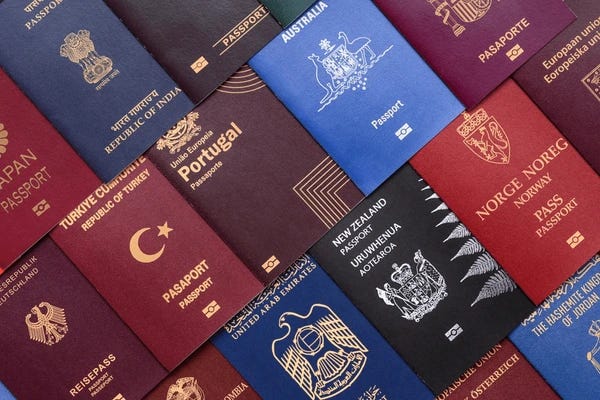
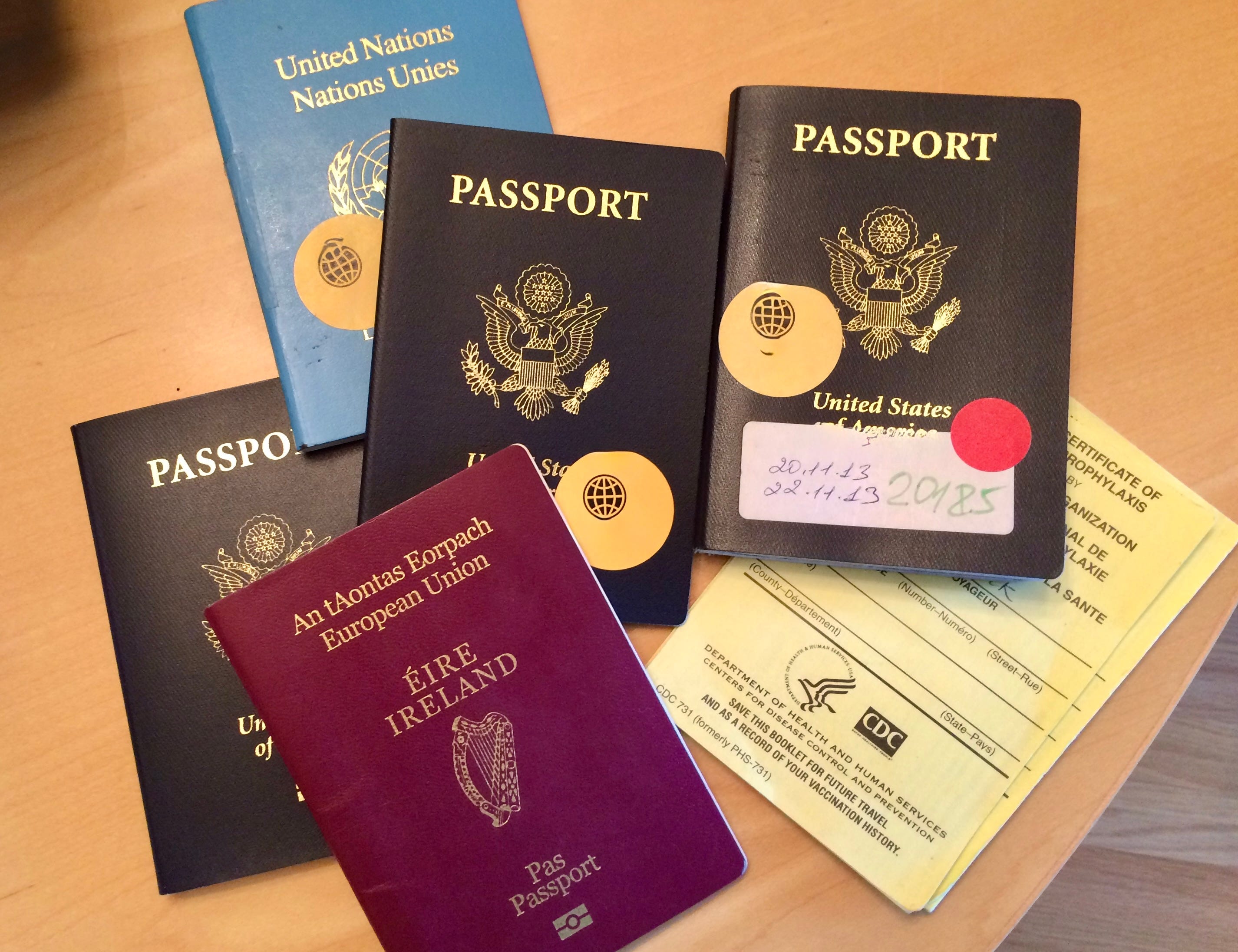
The longer you travel, the more these small booklets accumulate. Each one represents a chapter of movement through the world and thousands of stories and memories.
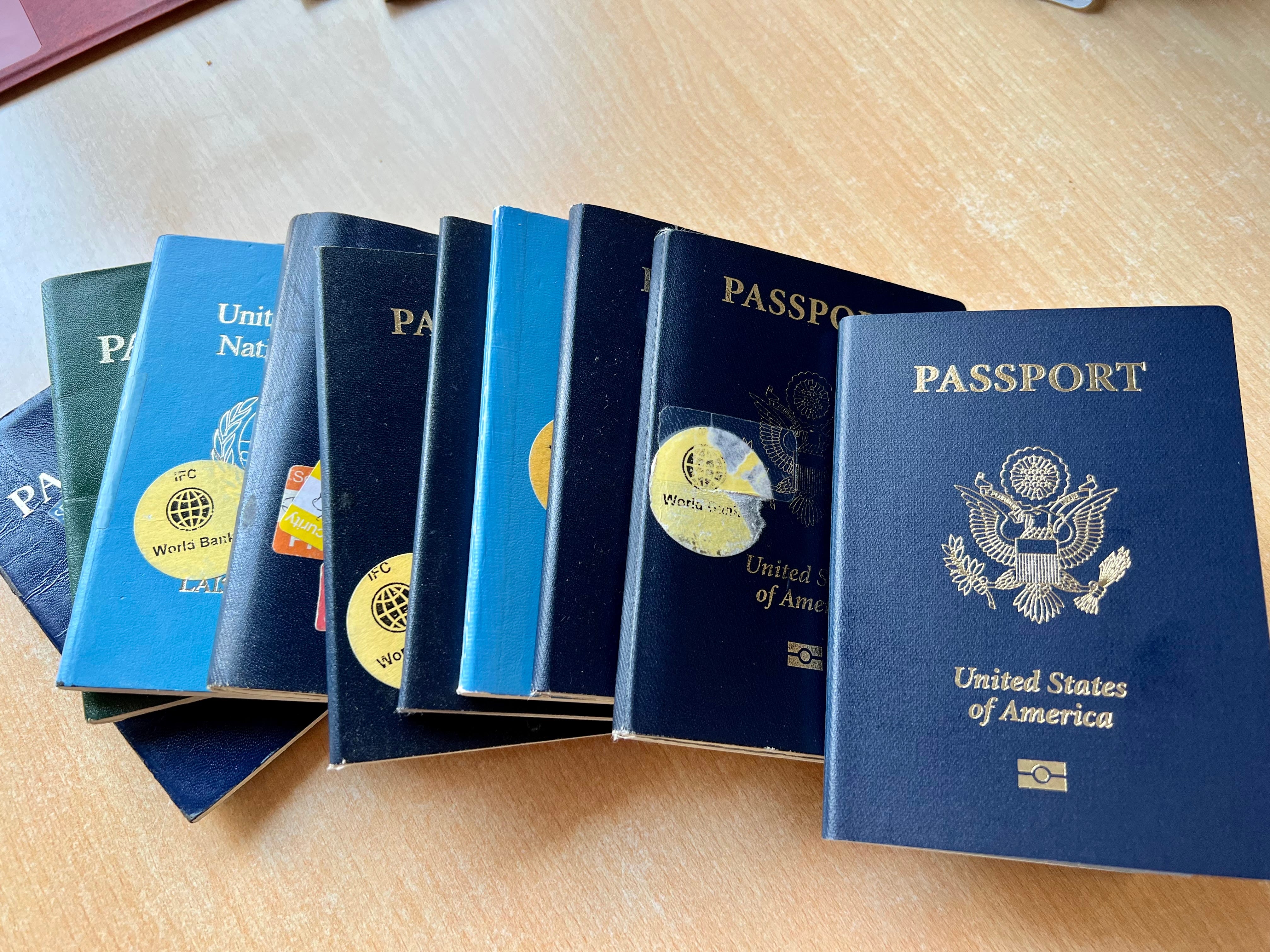
And of course the real memories live inside the pages: immigration stamps, visas, and handwritten notes from border officers who were sometimes amused, sometimes suspicious, and occasionally just bored.
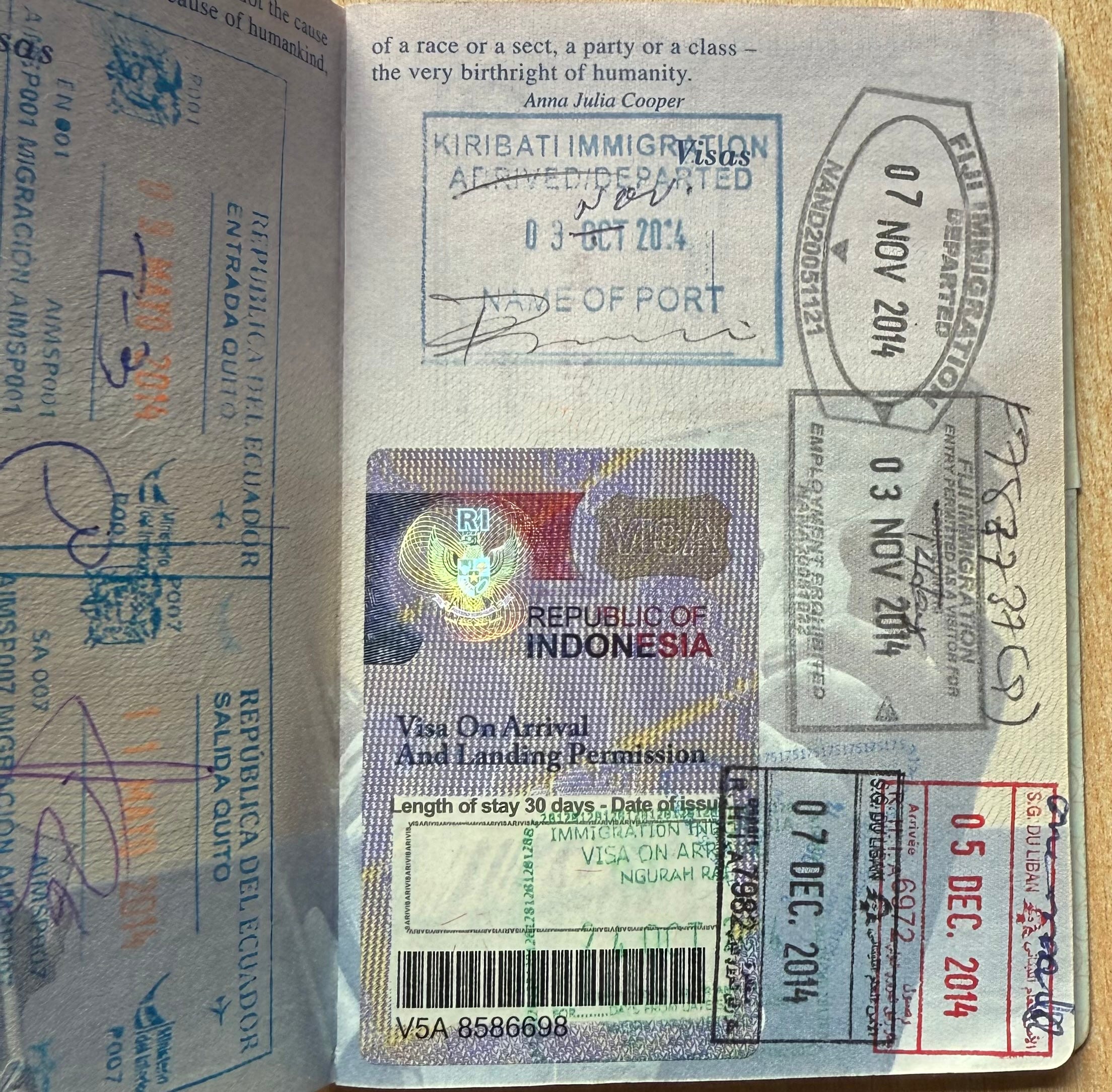
When you travel long enough, these passports stop feeling like documents and start feeling like a very real part of you…and that’s something no amount of time or money can really replace.
The Recovery Attempt
On the off chance that the passport might turn up, I started working through possibilities. First step: submit a lost-and-found request through the French SNCF train company lost and found system. Maybe someone would find it on a train seat and turn it in.
The next easy possibility to explore was the hotel I had just left.
I honestly thought this was unlikely. I had only taken the passport out briefly when checking in the previous day, and I had seen the receptionist multiple times afterward. Surely if I had forgotten it there he would have handed it back.
Still, it was worth checking.
So I called.
“Yes,” he said.
“I have it. That is why I have been calling you.”
This was interesting, because my phone showed exactly zero missed calls.
But the important part was this: he had the passport.
Apparently he had forgotten every single time he saw me after check-in to give it back.
He offered to mail it to me. Given the demonstrated forgetfulness on his part involved so far, I decided it would probably be wiser to go back and pick it up in person.
Not the worst outcome in the world. Lose a day of seeing things I’d hoped to see, but recover countless memories.
The Lesson
The story itself is amusing in hindsight, but the important part is the lesson that follows. Travel mistakes only become valuable if you actually learn something from them.
When I checked out of my hotel this morning, I did a full inventory check before walking out the door: passport, wallet, spare cash. I have always done a quick sweep of hotel rooms before leaving…checking outlets, drawers, and bathroom counters…but from now on I’m adding something else.
Before leaving any hotel, I will physically confirm that I have my passports and wallet.
It takes five seconds and can prevent a very complicated day.
Another Classic Travel Mistake
Of course, losing documents isn’t the only travel mistake people make. Another extremely common one involves booking errors.
Almost every traveler has done it at least once: booking the correct flight or hotel, but for the wrong date. When you are juggling multiple reservations across time zones, currencies, and itineraries, it’s surprisingly easy to click the wrong day.
I solved this problem with a simple habit. Every time I book a flight or hotel, I forward the confirmation email into two apps: TripIt and Flighty Both apps automatically build your itinerary.
The key is reviewing that itinerary immediately after booking. Several times I have caught mistakes right away: wrong dates, wrong connections, or overlapping bookings. In many cases these errors can be fixed for free if you catch them quickly. Fixing them on the day of travel is almost always far more expensive.
Traveling Better
The goal of travel isn’t perfection. The goal is improvement.
Every mistake teaches you something. Lose a passport and you build better routines. Book the wrong date and you develop better systems. Miss a train connection and you learn how transportation networks actually work.
If you refuse to admit your mistakes, you guarantee you will repeat them. But if you share them honestly, you help yourself—and other travelers—move through the world a little more wisely.
Your Turn
So I’ll ask the same question I asked several travel friends last night when I told them this story.
What’s a travel mistake you made?
And more importantly: what did you learn from it, and how do you make sure others benefit from that lesson?
Because no matter how experienced you are…
Travel will humble you eventually.
And honestly, that’s part of why it’s so valuable.
Before the days of online booking, I once spent over an hour on a 3-way phone call with a United ticket agent and my travel companion. We were trying to book flights to New Zealand from the US using miles, my husband and me in first class and our friends in business. Trying to find flights that had 2 award seats available in each cabin, plus coordinating their flight from Denver and ours from West Palm Beach to end up at LAX for the same OS flight to NZ was proving to be a greater challenge than we had imagined. We had no specific dates set, just the number of days we wanted to stay and a general idea of when we wanted to go. So the agent went day by day looking for flights that would work, then had to repeat the process for the return flights. It was arduous.
She finally found flights that worked for all of us, and we then went through the booking process, using miles from four different accounts, getting our husbands on the line to approve the use of their miles, etc., etc. Finally it was done. We were so exhausted and relieved, neither of us caught the significance of the agent’s final words to us: “ If there’s nothing else I can help you with today, thank you for calling United. Yada yada yada. You have three days to ticket this. Have a nice day.”
About a week later, I noticed the miles had shown up back in our accounts. Yep, we had booked but not ticketed, so the reservations were canceled. Called United immediately and was told our seats were still available, but our friends’ were not.
So we went through the entire process again, spending another hour or so on the phone, and ended up traveling a month later than we had planned.
Why that first agent didn’t ask, “Would you like to go ahead and ticket these now?” remains a mystery, but I assure you I now have all reservations ticketed within 24 hours of booking, if not immediately.
I once drove to Canada with 3 kids under the age of 6 and pregnant with the 4th. Got to the border at 2am and they asked why I didn’t have some documentation from my husband saying it was OK to take our kids out of the country. This had never come up before. It had been an 8hr drive to get there…I wasn’t going home to get a letter. I told them to call him and they said they "*didn’t want to wake him up*. Those polite Canadians!! They didn’t have a problem waking up 3 young kids though, to ask them when they’d last seen their dad (earlier that day). When the border agent came around the counter and saw I was 7mo pregnant, she decided no one was foolish enough to be stealing that many kids on their own…which I didn’t argue with. Always had a photo and a letter after that. But I’m curious how you have more than one passport???