
Tirana surprised me.
I arrived expecting something heavier and more visibly post-Communist, more austere, more stuck in its past. Instead, what I found was a city that celebrates its history without letting it dominate the present.
Yes, Albania’s communist era is weird AF and impossible to ignore. But Tirana doesn’t feel frozen in it. It feels forward-looking, energetic, and unexpectedly modern…the kind of place that’s actively deciding what it wants to be next.
And that decision is happening in real time.
Bunkers Bunkers Everywhere (And What They’ve Become)
Albania is famously dotted with concrete bunkers (tens of thousands of them) built during Enver Hoxha’s paranoid dictatorship. Tirana doesn’t hide this history. It curates it.
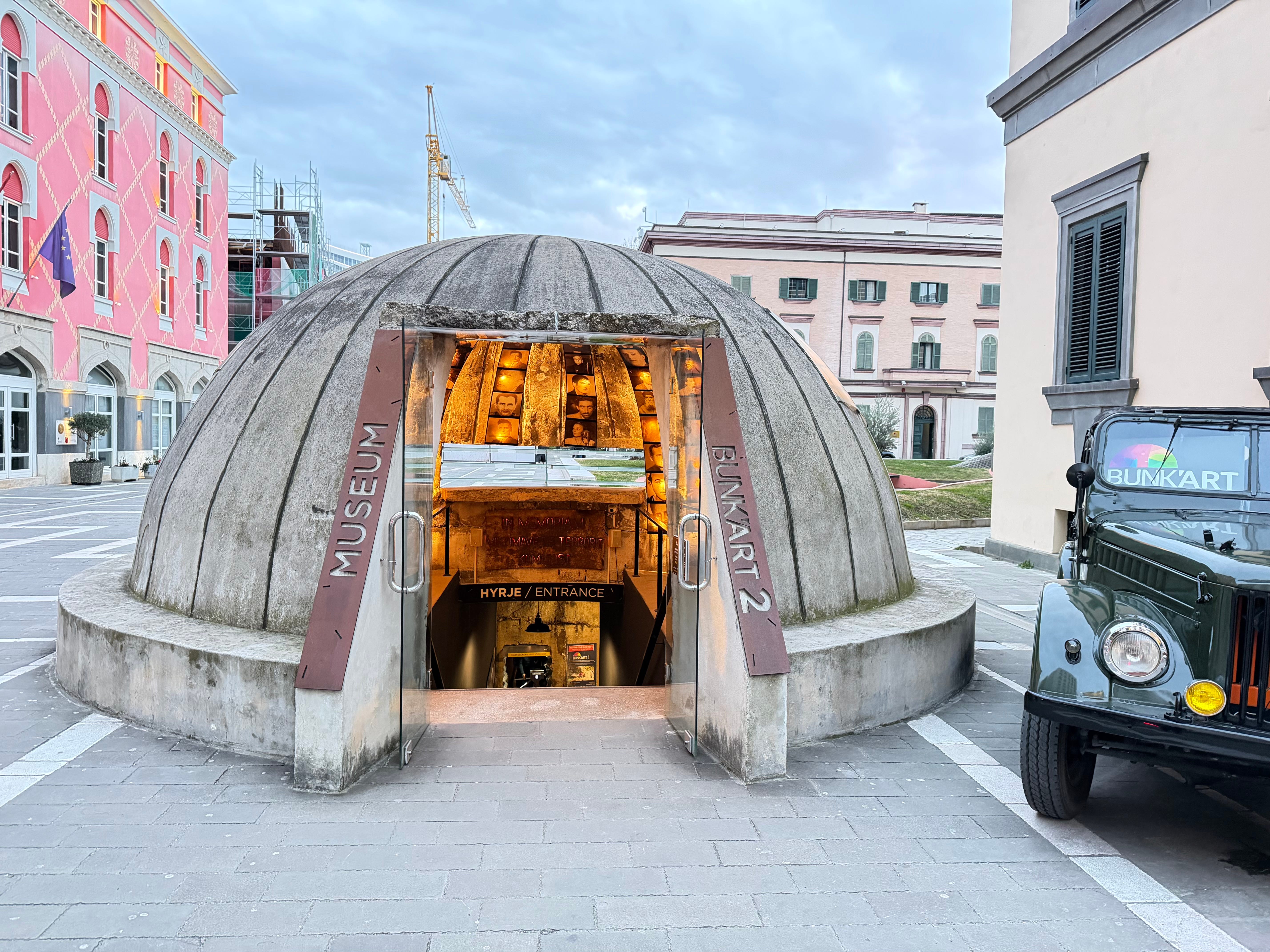
Bunk’Art 2 sits beneath Skanderbeg Square and drops you straight into Albania’s communist past. It’s unsettling, informative, and well done…not sensational, not softened.
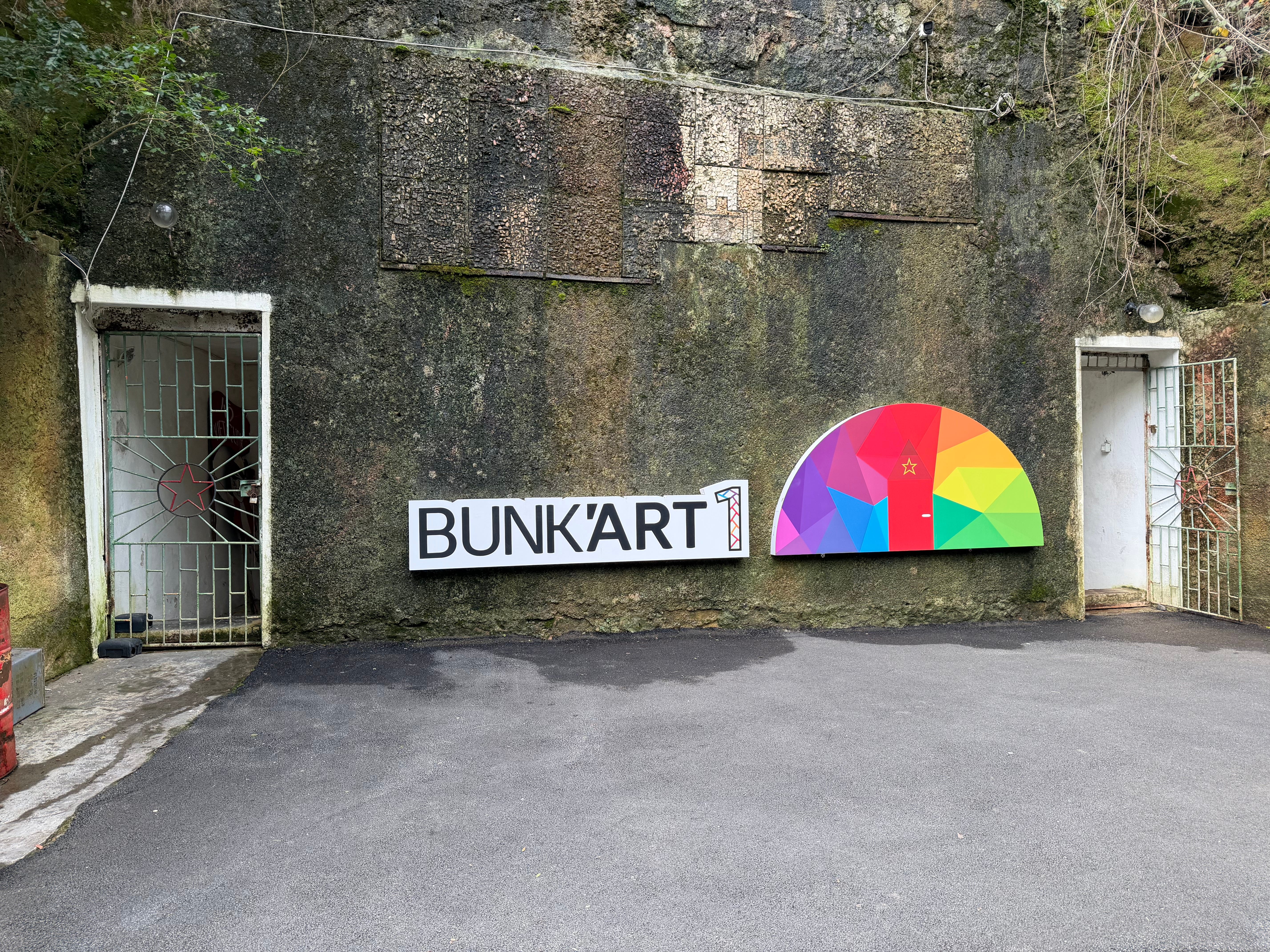
Bunk’Art 1 is larger, deeper, and more immersive, a full underground complex that once housed top officials in the event of nuclear war. One of the employees told us that despite how huge it is, and how many levels we saw, less than 20% of it is actually open to the public.
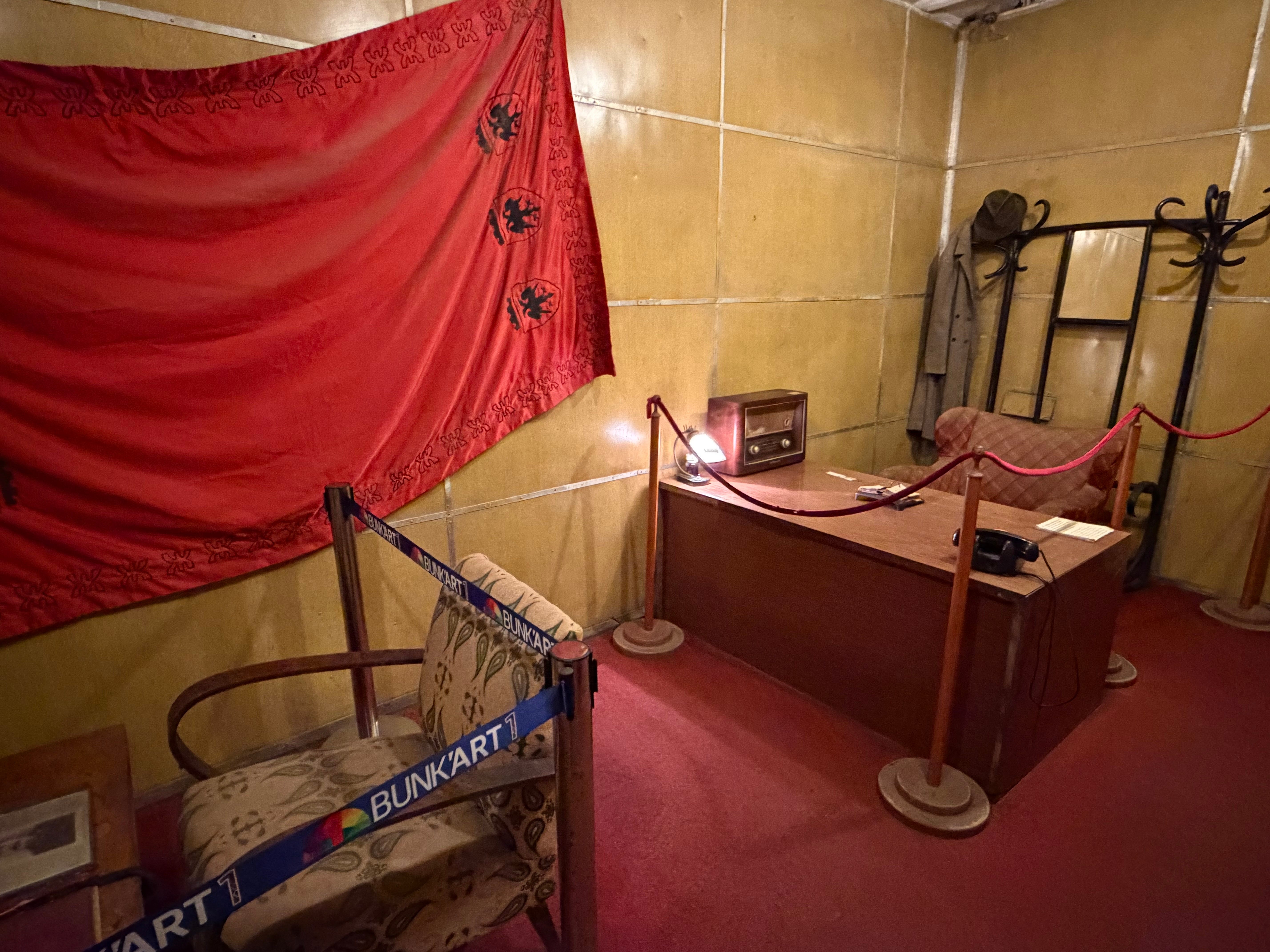
This desk belonged to Hoxha himself. Seeing it underground, surrounded by concrete walls, really drives home the isolation and fear that defined the regime.
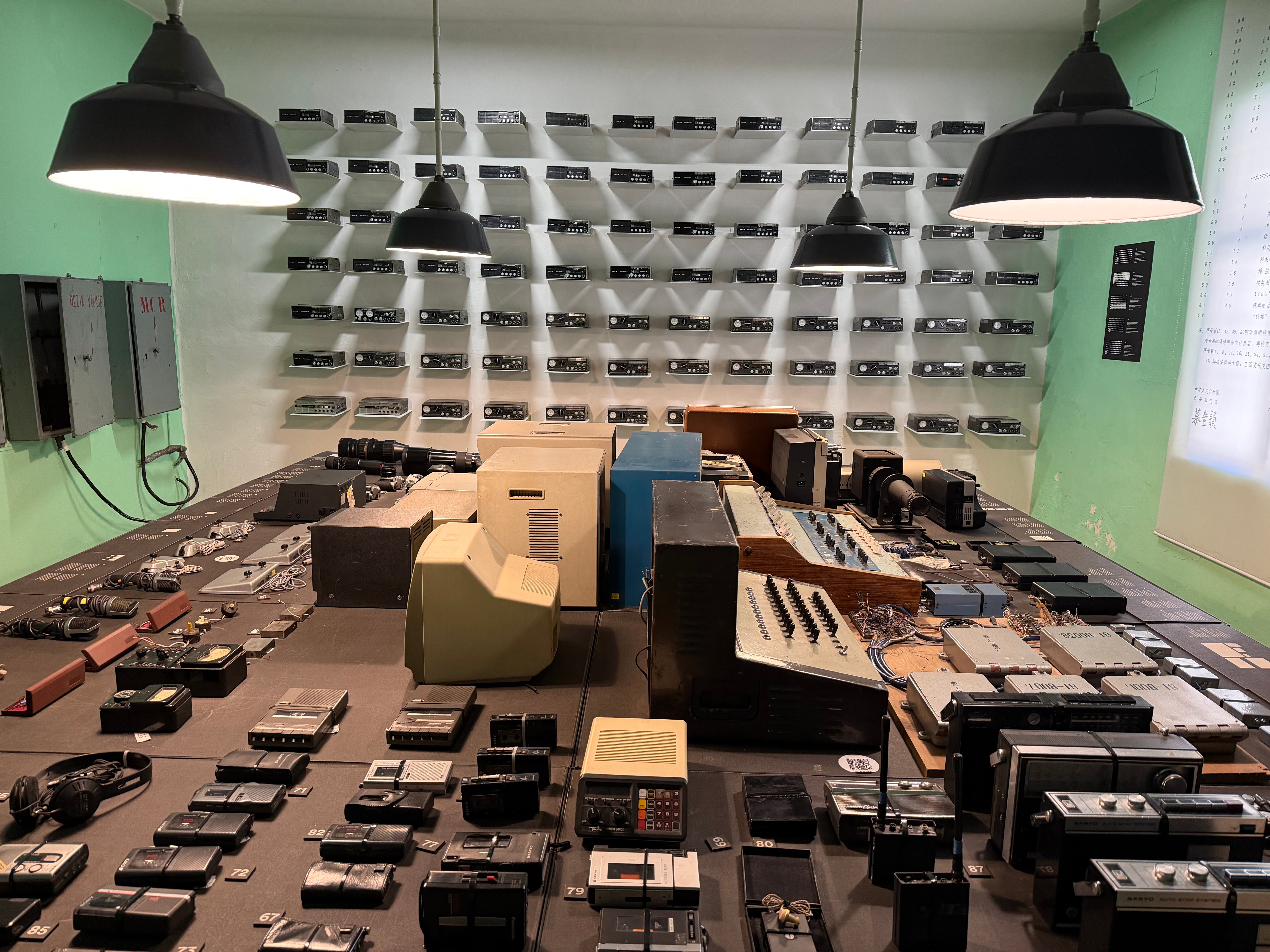
The House of Leaves museum might be the most chilling stop we saw on our trip through Tirana. Entire rooms devoted to surveillance tech used on ordinary people: neighbors, coworkers, even family members.
It’s not just history. It’s a reminder of how fragile privacy really is.
A City Reinventing Itself Through Architecture
What truly caught me off guard was how architecturally ambitious Tirana has become. Bold shapes, modern materials, and a refusal to play it safe.
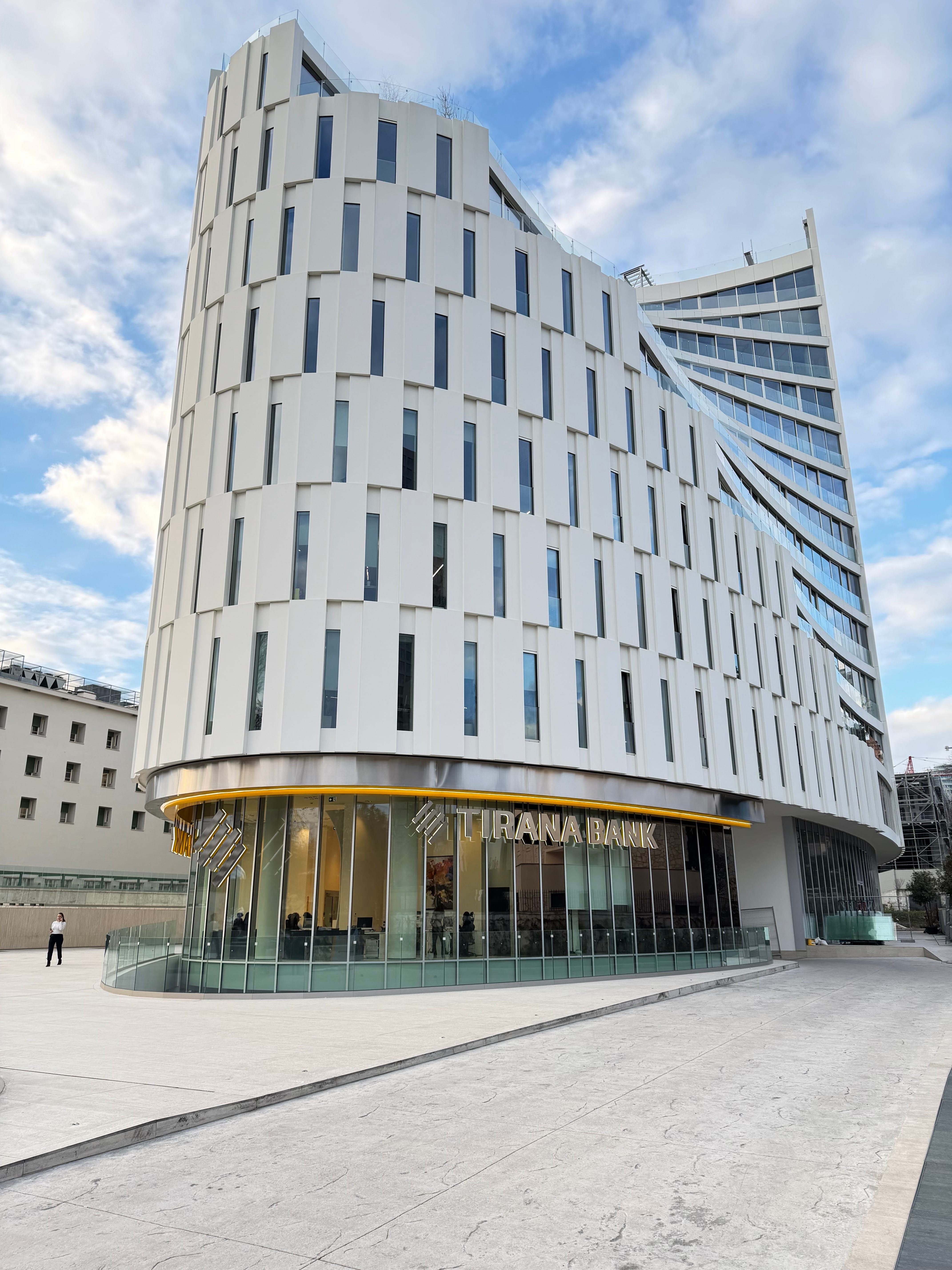
This building feels intentionally global, the kind of design you’d expect in Western Europe, not something clinging to the past.
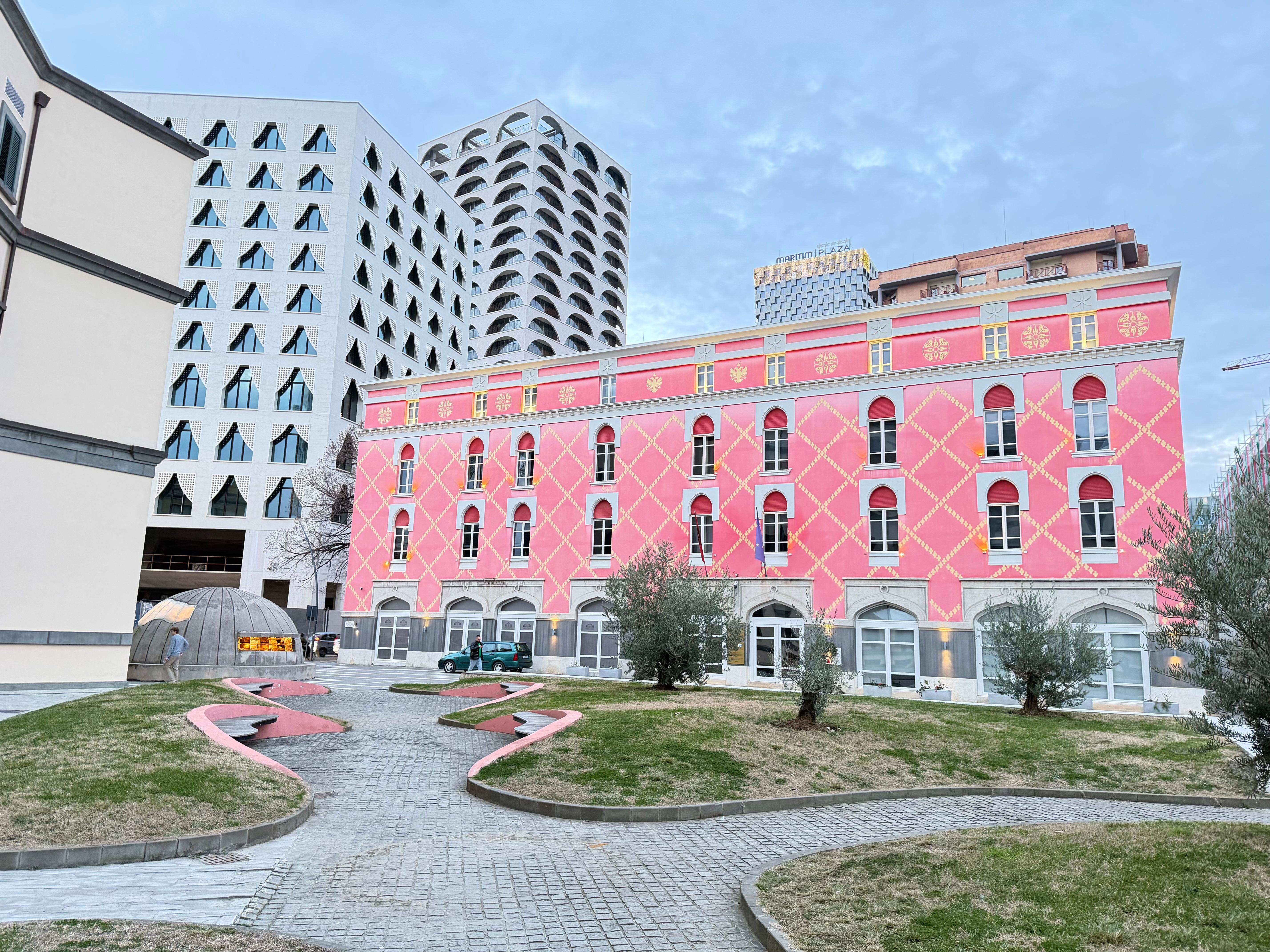
The contrast works. Communist-era blocks sit next to sleek new towers without apology.
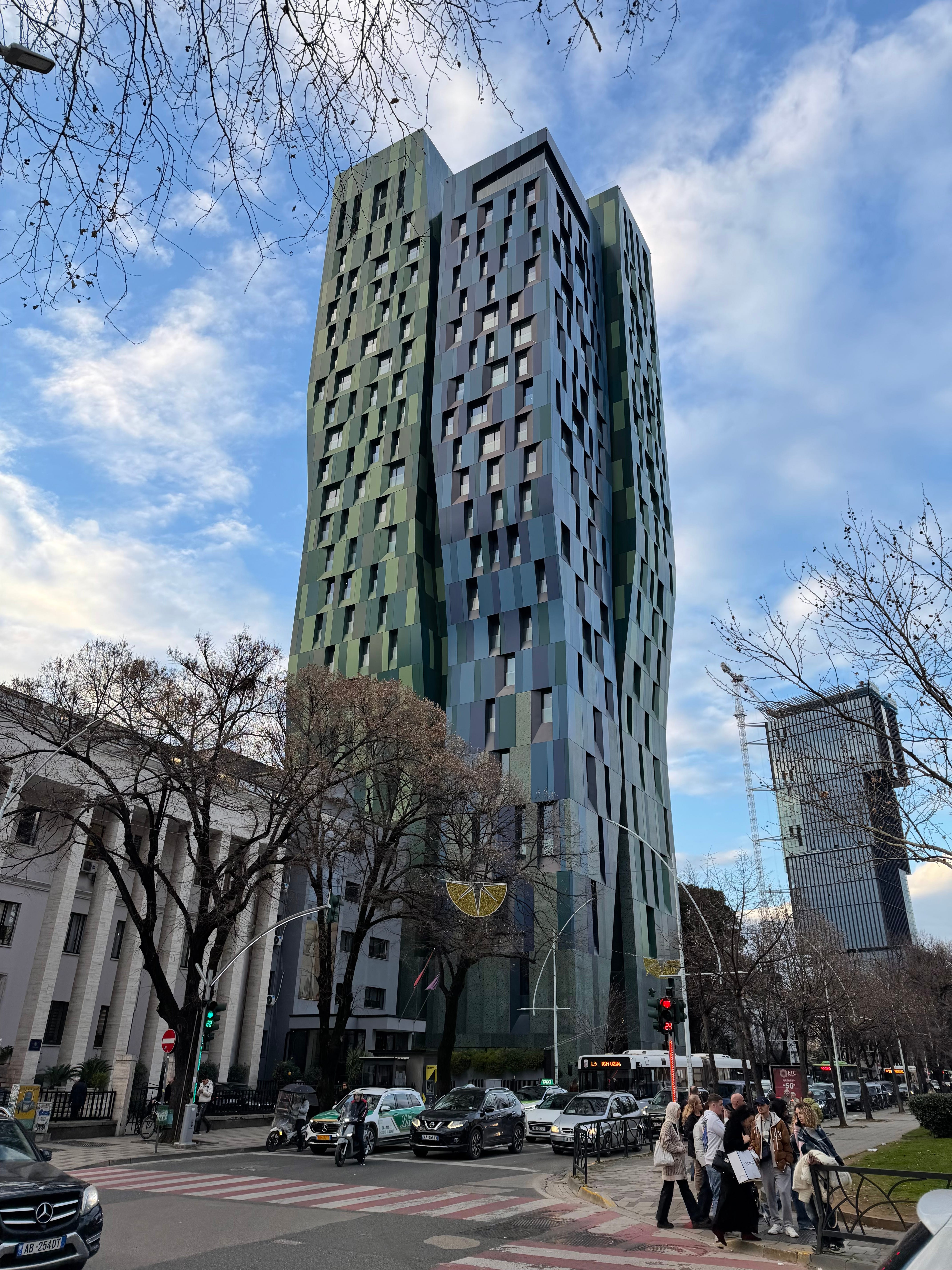
There’s a sense that the city is experimenting, testing ideas, and not afraid of a little controversy.
Skanderbeg Square & the City’s Core
Everything eventually leads back to Skanderbeg Square: wide, open, and very alive.
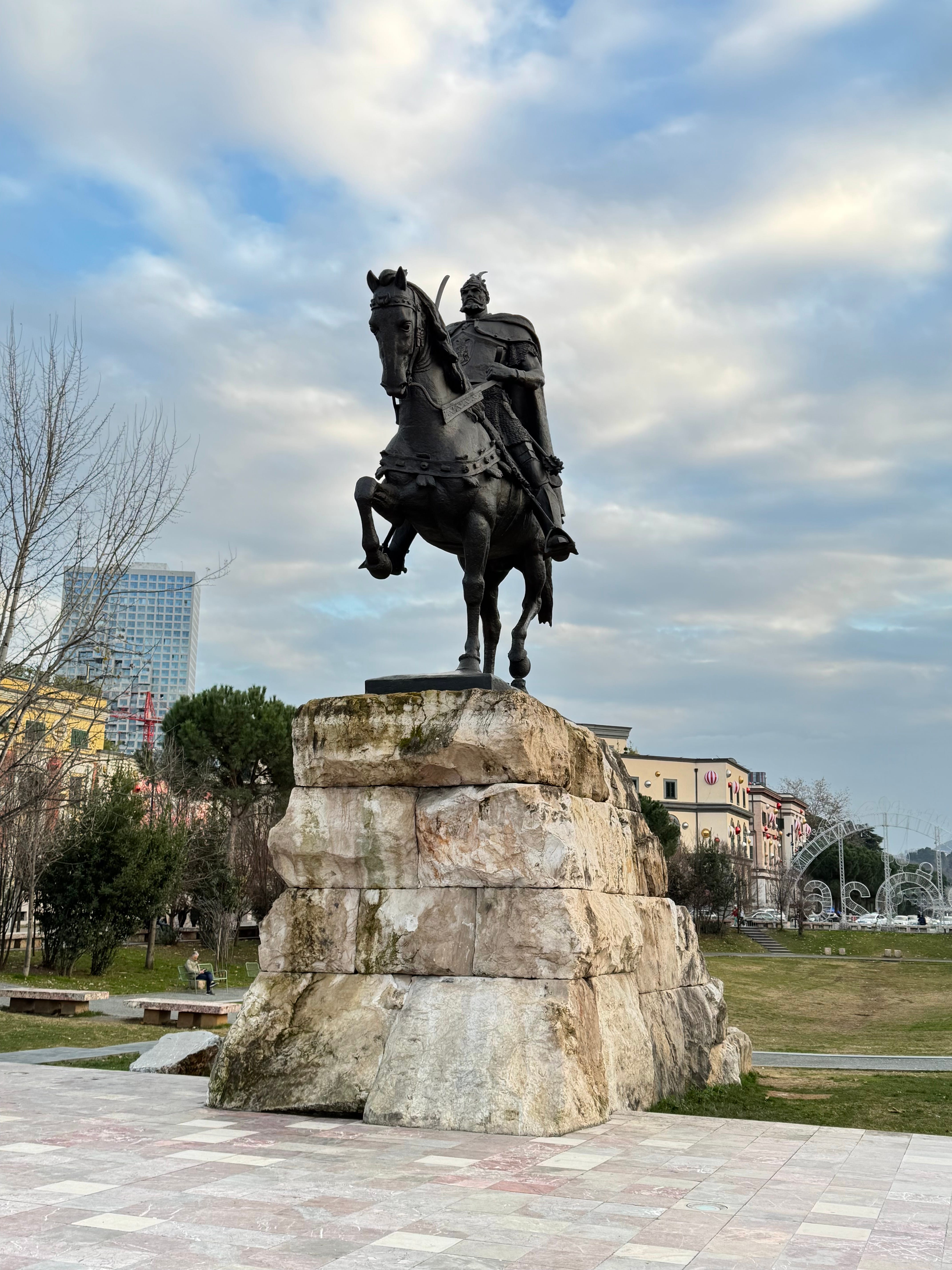
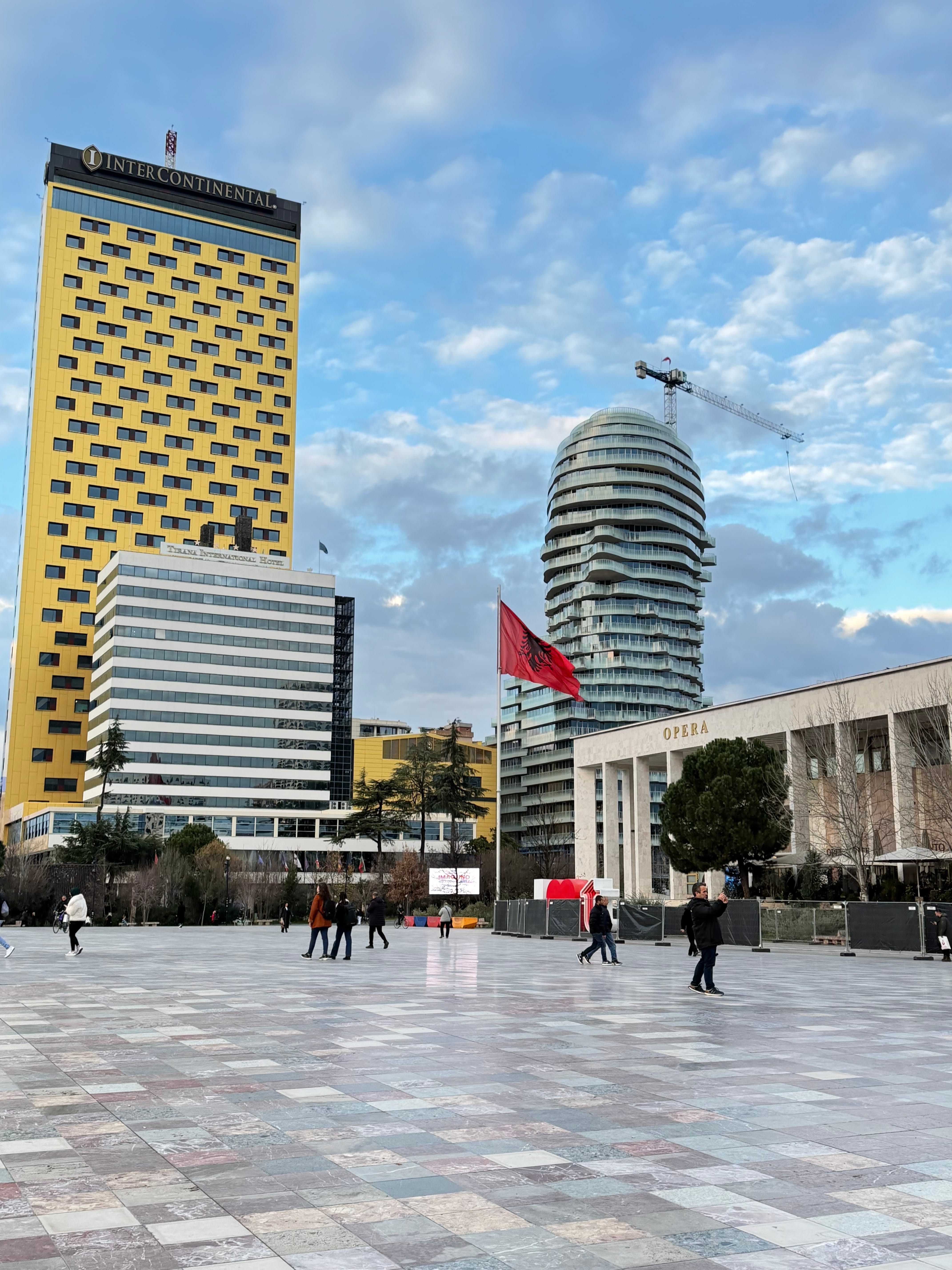
This isn’t a square you rush through. People linger. Kids play. Locals meet friends. It feels genuinely civic, not performative. A place local people (and an increasing number of tourists) pass through on the way from one place to another, but often linger because you can’t help run into someone you know.
Faith, Identity, and Mother Teresa
Religion here feels present but not overpowering, part of the city’s identity rather than its headline.
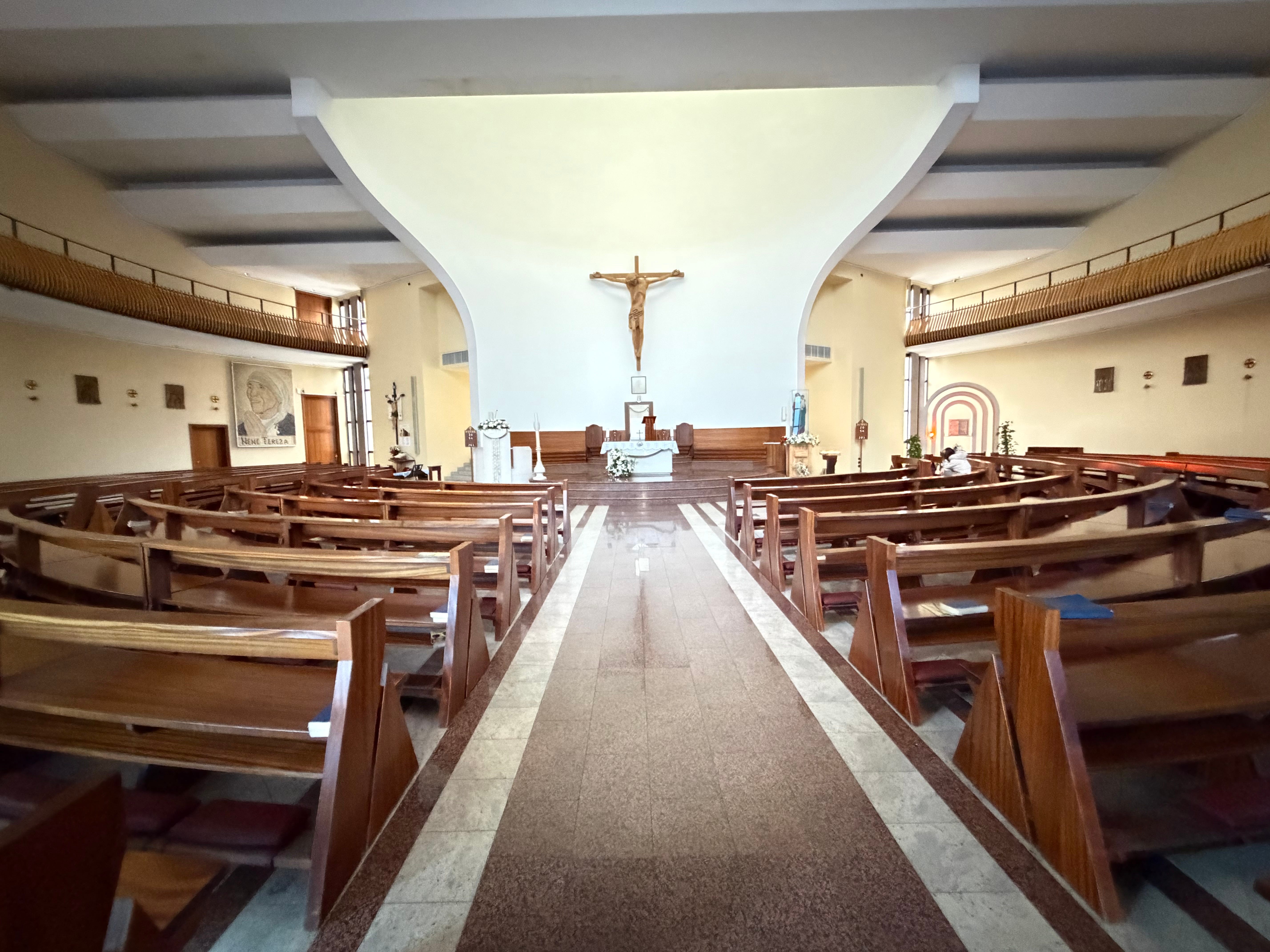
Mother Teresa (Nënë Tereza) was Albanian by ethnicity, and her legacy is woven into Tirana with respect rather than spectacle.
Inside, it’s peaceful. Simple. A pause button for reflection in the middle of the city.
The River Running Through It All
Tirana has a river that doesn’t try to be romantic…and that’s kind of the point.
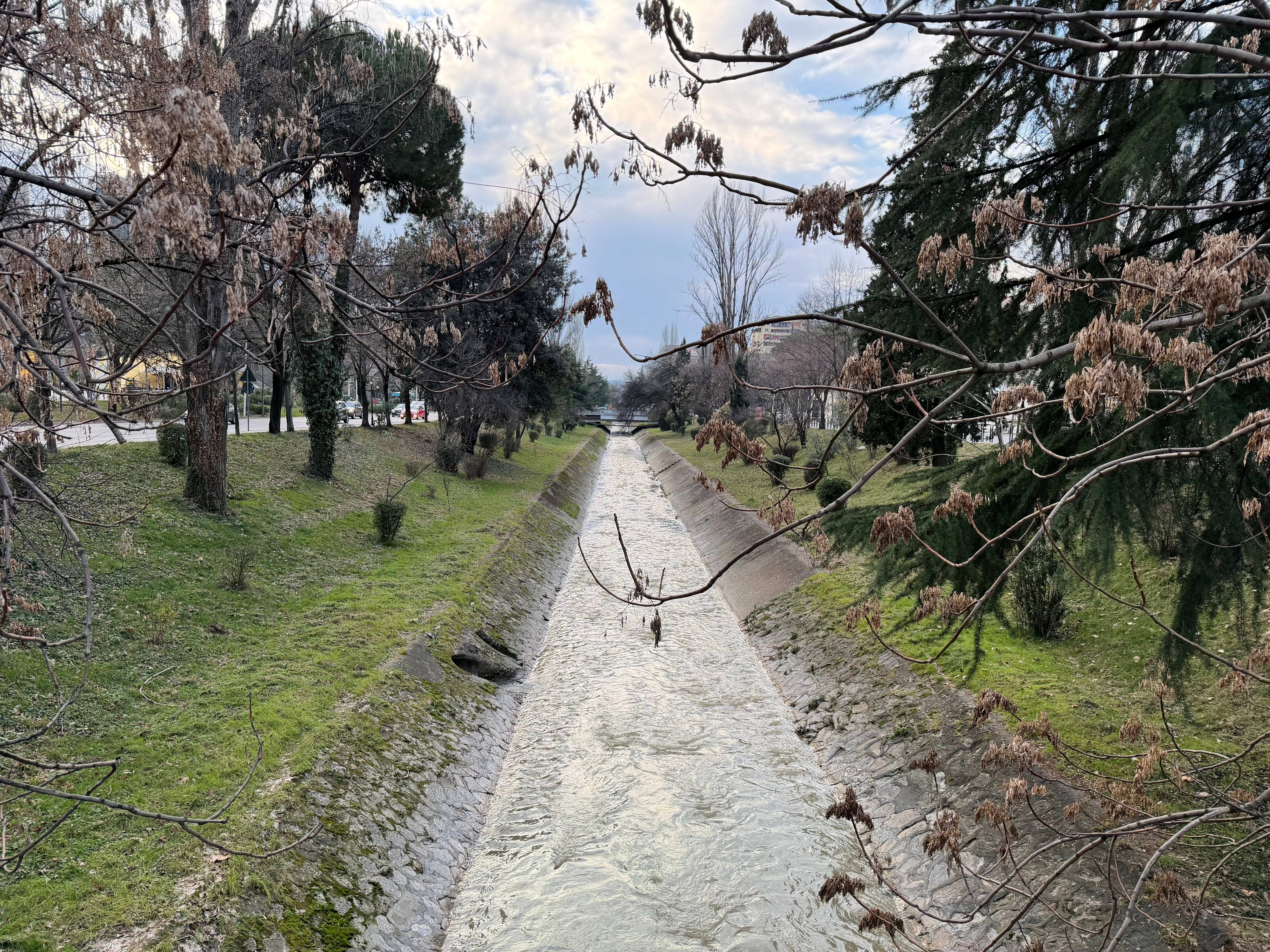
It cuts through the city like infrastructure, not decoration. Walkable paths, greenery, locals going about their day.
Food That Locals Actually Love
Tirana’s restaurant scene is incredibly strong…especially if you want food that feels both local and familiar.
Era has two locations and both are packed for a reason. Italian influence, Albanian ingredients, and consistently good execution. So good we ate at both of them, and wanted to come back for more.
Think fresh pasta, grilled meats, local wines…the kind of place locals bring visiting friends.
(Seriously, don’t skip it. Reservations help…and you can sit outside at the larger location or inside in the smoke-free dining room…rare for Tirana but much-appreciated!)
The Real Highlight: The People
More than the museums, the buildings, or the food it was the people.
Friendly without being intrusive. Curious without being performative. Genuinely helpful in a way that feels natural, not transactional.
Directions turned into conversations. Questions turned into recommendations. It made the city feel welcoming in a way that can’t be engineered.
Final Take
Tirana doesn’t deny its past, it contextualizes it. Then it builds forward.
It feels European, modern, creative, and alive, far removed from the gray, closed-off version many people still imagine when they think of Albania.
This city is not stuck.
It’s evolving, and it’s worth your time.
You always come with the gems!! Albania is now on my radar.