
One of the things I’ve loved most about the last couple of years of more-or-less nonstop travel is that every destination seems to come with its own unwritten rulebook if you were to listen to other travelers.
See the famous landmark. Eat where the locals eat. Skip the tourist traps. Never order food that has a picture on the menu. Don’t waste time at chain restaurants. Travel independently whenever you can.
Spend enough time around seasoned travelers and you’ll collect dozens of these little rules. Many are genuinely helpful, or at a bare minimum come from a place of good intentions. Others become articles of faith, repeated so often that we stop questioning whether they’re always true.
After thirty+ years of traveling, I’ve started to notice something interesting: the world seems to have an endless talent for finding the exception to the rule.
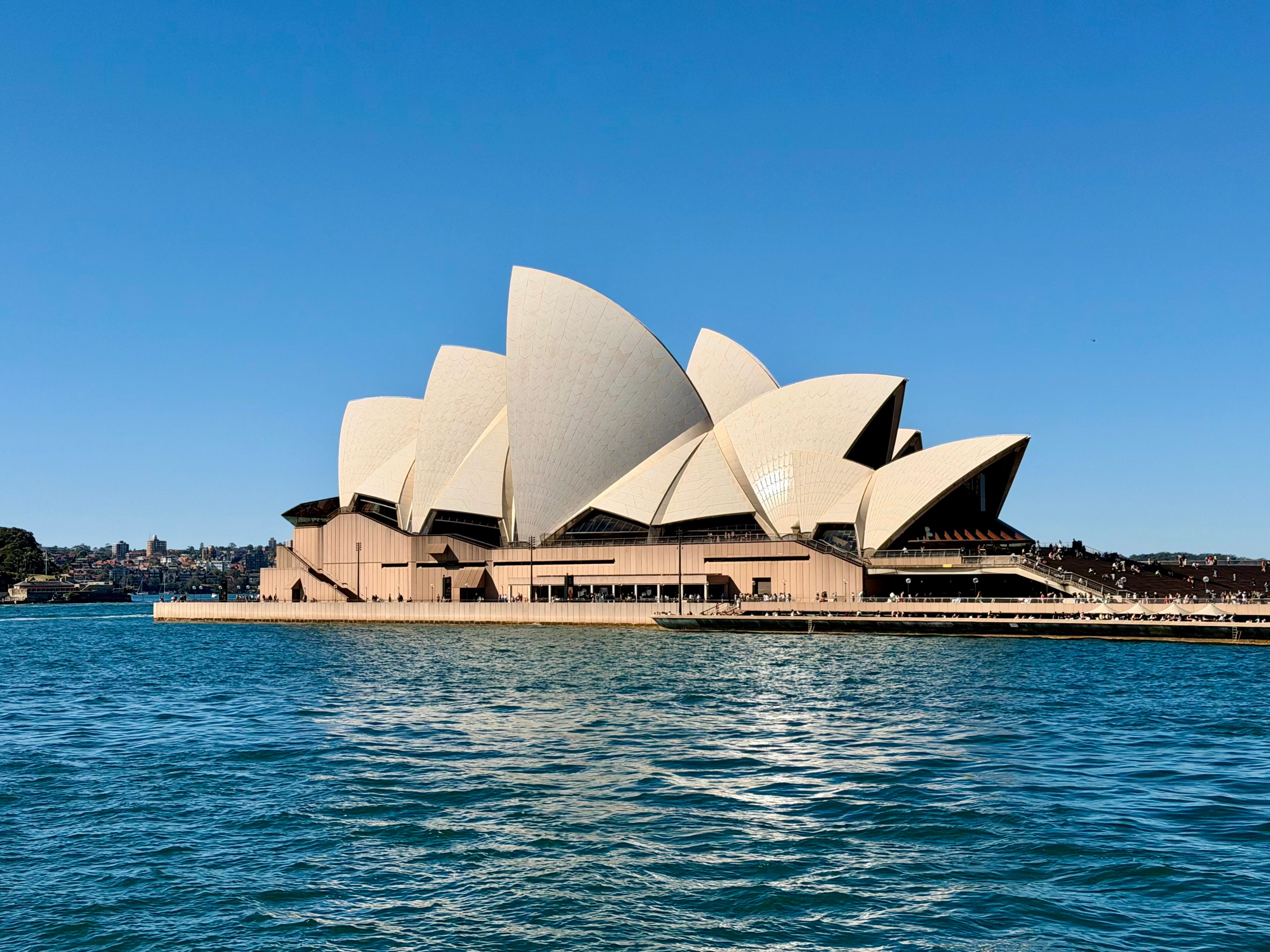
I’m winding down this Australian and Papua New Guinea trip exactly where millions of visitors do: standing in front of the Sydney Opera House. It’s iconic for a reason, and I’d tell anyone visiting Sydney that it’s absolutely worth seeing. But by the end of the week, the experience that stayed with me most wasn’t one of Australia’s most famous attractions.
It was a zoo I’d never even heard of until 24 hours before going there.
I wasn’t even in Dubbo because of the zoo.
True to form, I’d flown there on a day trip to tick off another NomadMania region. A friend insisted that if I was making the trip, I had to visit Taronga Western Plains Zoo. I thanked them politely, but privately I wasn’t convinced.
Like many travelers, I’d gradually developed a fairly simple opinion: zoos are best avoided because they pen up animals in artificial habitats where they’re not always treated the best.
I’d seen enough depressing collections of animals over the years to wonder whether they belonged in the past. Keeping wild animals in captivity for our entertainment never sat particularly well with me, so I’d quietly and unintentionally adopted another travel rule:
All zoos are bad.
Still, I gave the zoo a go, and within about fifteen minutes of walking through the entrance, I realized the rule wasn’t going to survive the day.
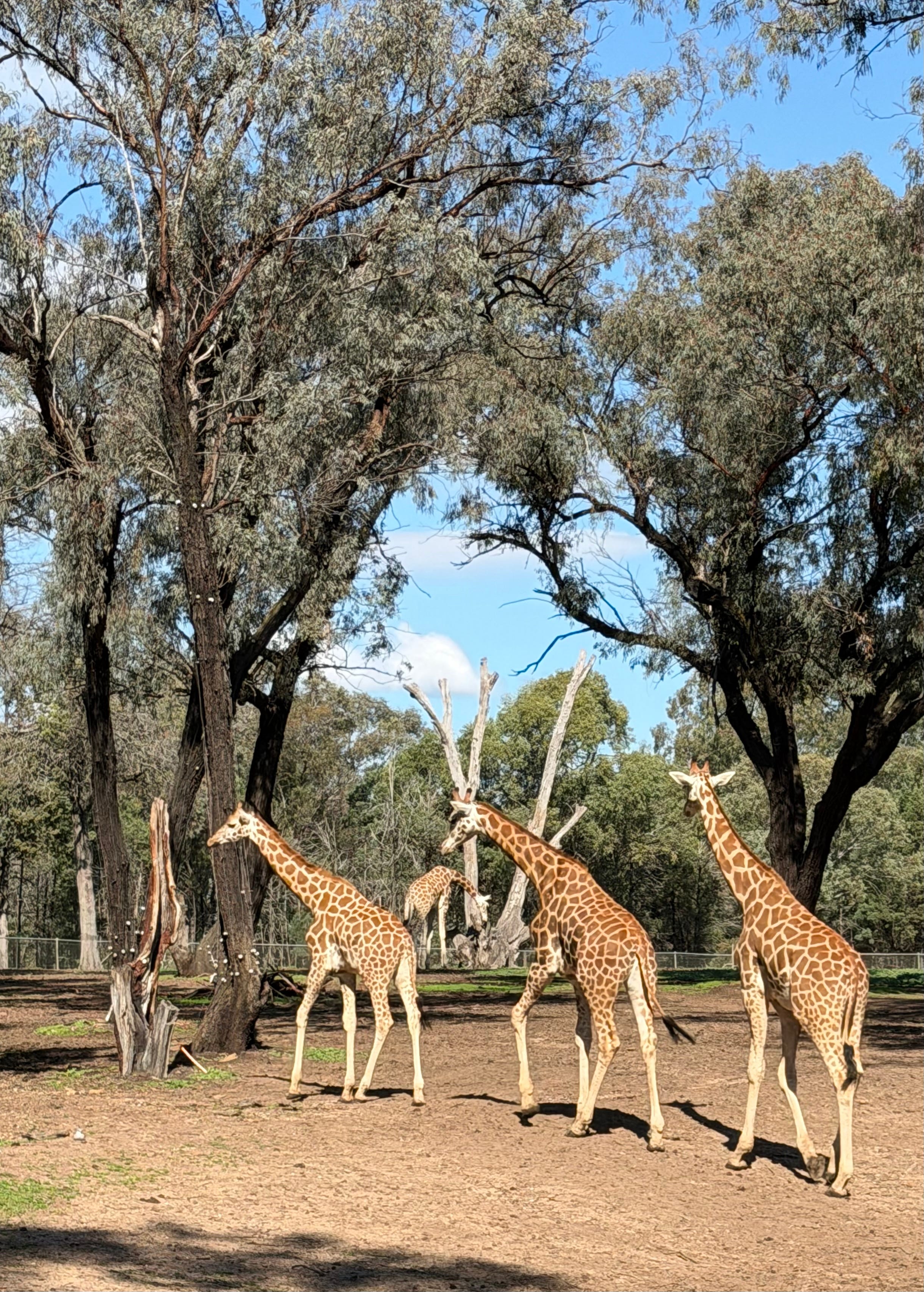
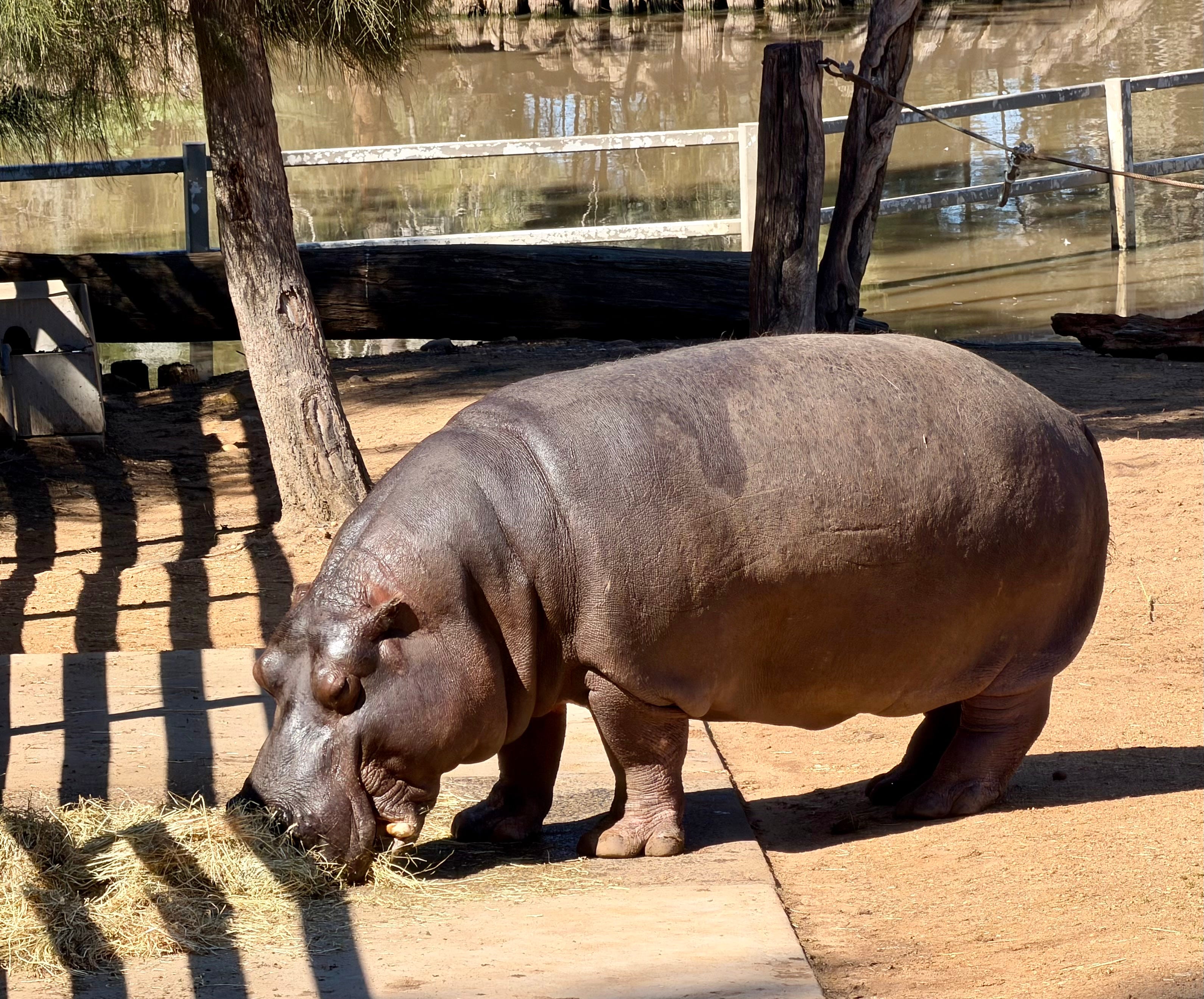
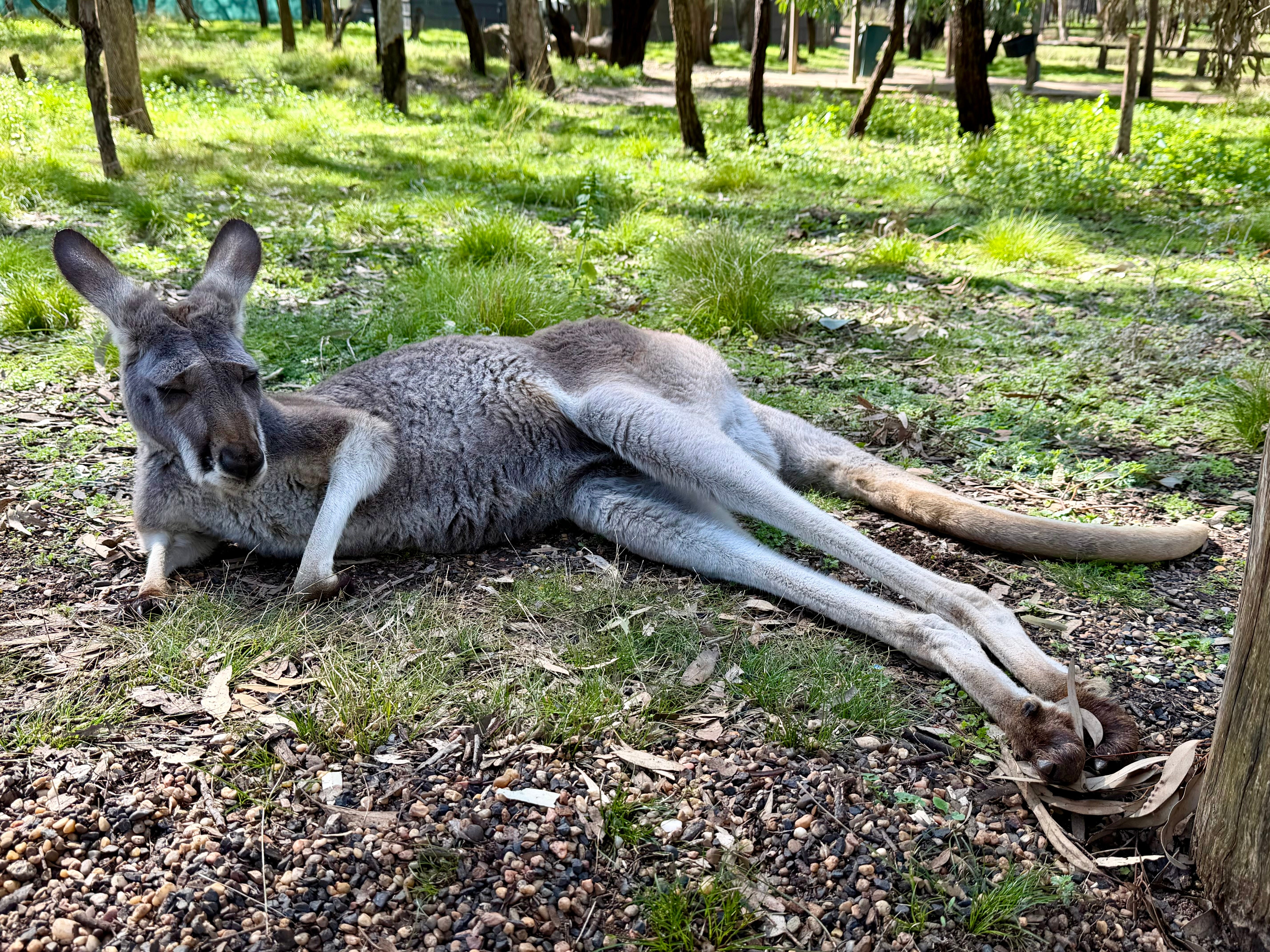
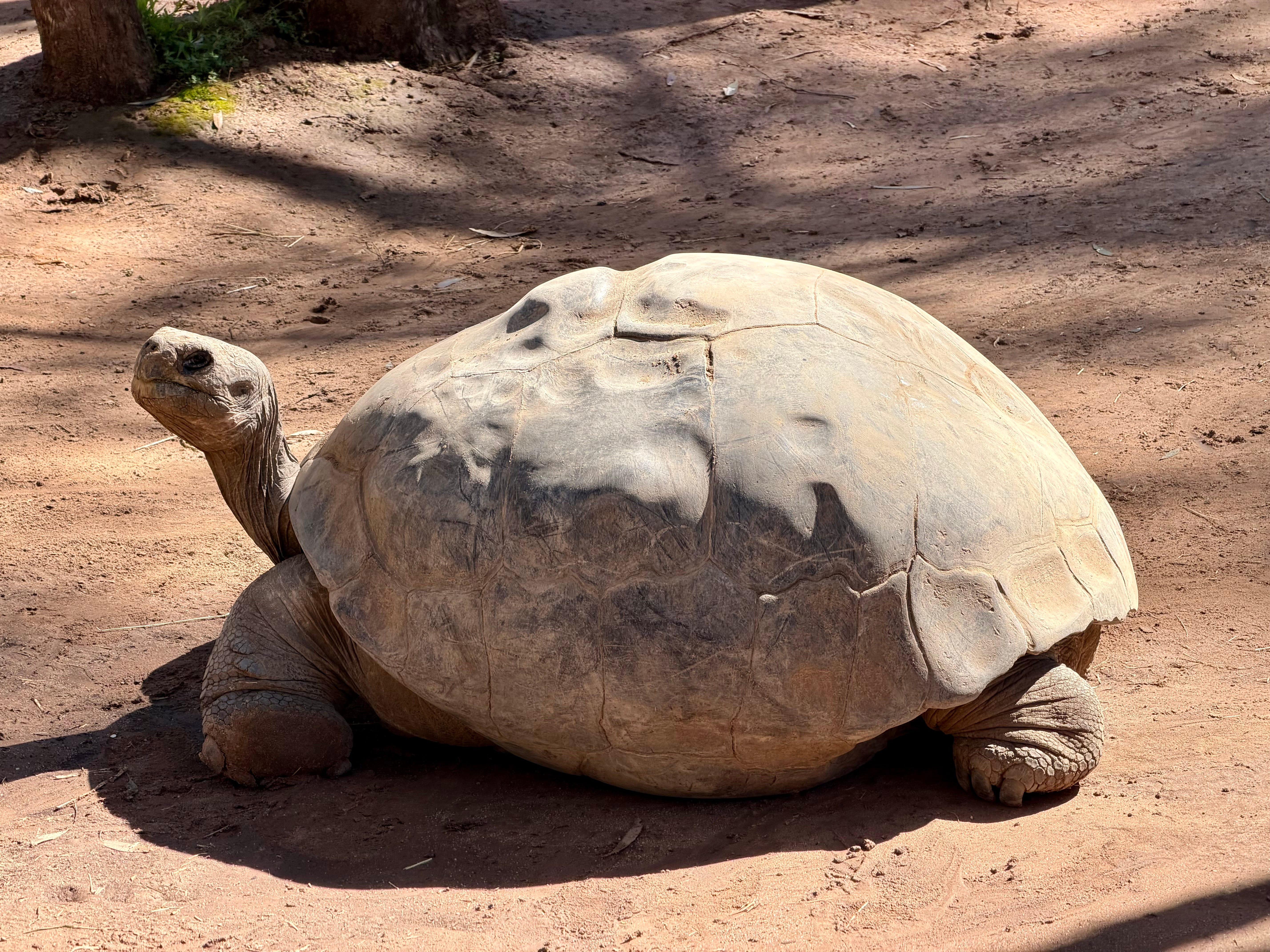
The animals weren’t pacing small concrete enclosures. Many lived in enormous open habitats designed for breeding, research and conservation rather than spectacle. The zoo itself covers hundreds of hectares, and instead of shuffling past cages you spend your day walking, cycling or driving through a five-kilometre (if you ONLY stick to the path and don’t wander taking endless pics) circuit that feels far closer to a wildlife reserve than the zoos I remembered growing up. Taronga Western Plains Zoo was created specifically to provide more natural space for large animals and endangered-species breeding, reflecting a broader shift from exhibition toward conservation.
That doesn’t mean I had changed my mind about every zoo…but I had changed my mind about this one.
As I walked, it struck me that this wasn’t really a lesson about zoos at all. It was another reminder that almost every “rule” I’ve accumulated through travel eventually runs into an exception.
Independent travel is usually my favorite...until I find myself somewhere like Abiye, where joining a group isn’t settling…it’s the only practical way to experience the place.
Street food has given me some of the best meals of my life...and a few of the longest nights. Chain restaurants can feel unimaginative...until you’re curious to see how McDonald’s in Saudi Arabia or Starbucks in China reflects local culture rather than replacing it.
And yes, even zoos, it turns out, aren’t all the same.
The longer I travel, the less interested I become in universal rules and the more interested I become in individual experiences.
That’s also why I’ve become increasingly suspicious of the phrase “must-see.”
Of course there are places that deserve their reputation. Sydney Harbour is spectacular. The Eiffel Tower is iconic. Machu Picchu leaves people speechless for good reason.
But some of the most meaningful experiences I’ve had weren’t famous enough to make anyone’s bucket list.
They happened in a remote border town, on a tiny island, in the back seat of a taxi, or on a day trip to Dubbo that almost didn’t happen because I’d already convinced myself I knew what to expect.
Travel is wonderful because it introduces us to new places.
It’s even better when it introduces us to a new version of our own thinking.
I’ve come to believe that curiosity is one of the greatest gifts travel offers. Not just the curiosity about where to go next, although that’s certainly part of it. Curiosity about whether the opinions we’ve accumulated over the years still deserve to be held quite so tightly.
Sometimes they do.
Sometimes they don’t.
And every now and then, somewhere you never expected, perhaps even at a zoo in rural Australia, you discover that the world is a little more complicated, and a little more interesting, than the rules you’ve been carrying around in your head.
That’s a souvenir worth bringing home.