
Over the past few weeks, I’ve been writing a lot about risk. Not eliminating it, because as we’ve discovered that’s not possible, but understanding it, managing it, and deciding which risks are actually worth taking. This week is even simpler than that, and I think it’s the logical conclusion to what we’ve been discussing.
It comes down to a question most of us avoid asking ourselves honestly:
What are you waiting for?
It’s human nature to procrastinate or put things off, however, “tomorrow” has a funny way of never quite arriving. There is always a reason to push something off. Work gets busy. Money could be better. Timing isn’t ideal. The kids are too young, or too old, or in school, or about to leave. There is always a version of life that feels like it would make travel easier, cleaner, more justified.
But that version almost never shows up.
Instead, what happens is that time moves on without us. Quietly, steadily, without asking permission. And the trip you meant to take “someday” just keeps slipping further and further from your grasp.
There is, of course, something to be said for patience. For planning. For waiting until the time is right. But travel, especially the kind that stretches you a bit, is not just a financial decision. It is also a physical and mental one.
Long flights, unfamiliar places, moving through cities, adapting to “the different”…these things are easier when you have the energy for them. That doesn’t disappear overnight, but it does change over time. The version of the trip you can take today is not necessarily the same one you will take ten or twenty years from now.
And that matters.
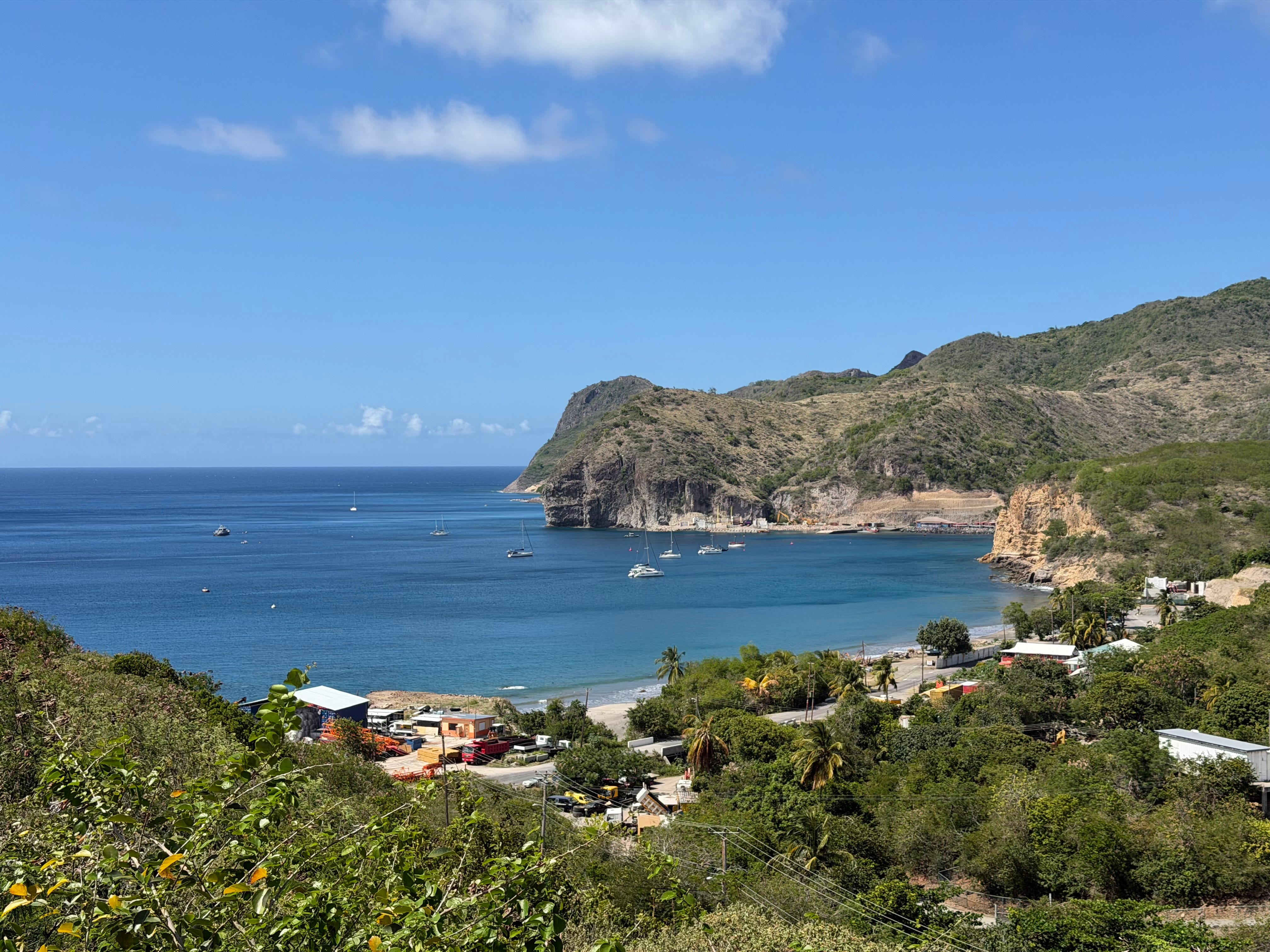
One of the more interesting things I’ve seen on social media lately involved a family with two young kids, both under ten. Instead of waiting for the “right time,” they sold their house, sold their car, bought a sailboat, and set off to see the world.
On paper, it sounds chaotic. Risky. Completely impractical.
In reality, they made a decision about what they valued. They chose experience over stability, education through exposure over structure, and time together creating memories as a family over the idea that there would be a better moment later.
That’s not a choice everyone needs to make. But it does highlight something important: there is always a reason not to go.
And yet, when you actually do go, the experience is almost never as intimidating as you imagined.
We tend to build up the unknown into something larger than it is. The “what ifs” stack up quickly. What if something goes wrong? What if it’s not safe? What if I don’t know what I’m doing?
But in practice, the world is a lot more balanced than that.
Yes, things can go wrong. But just as often, if not more often, things go right in ways you couldn’t have planned.
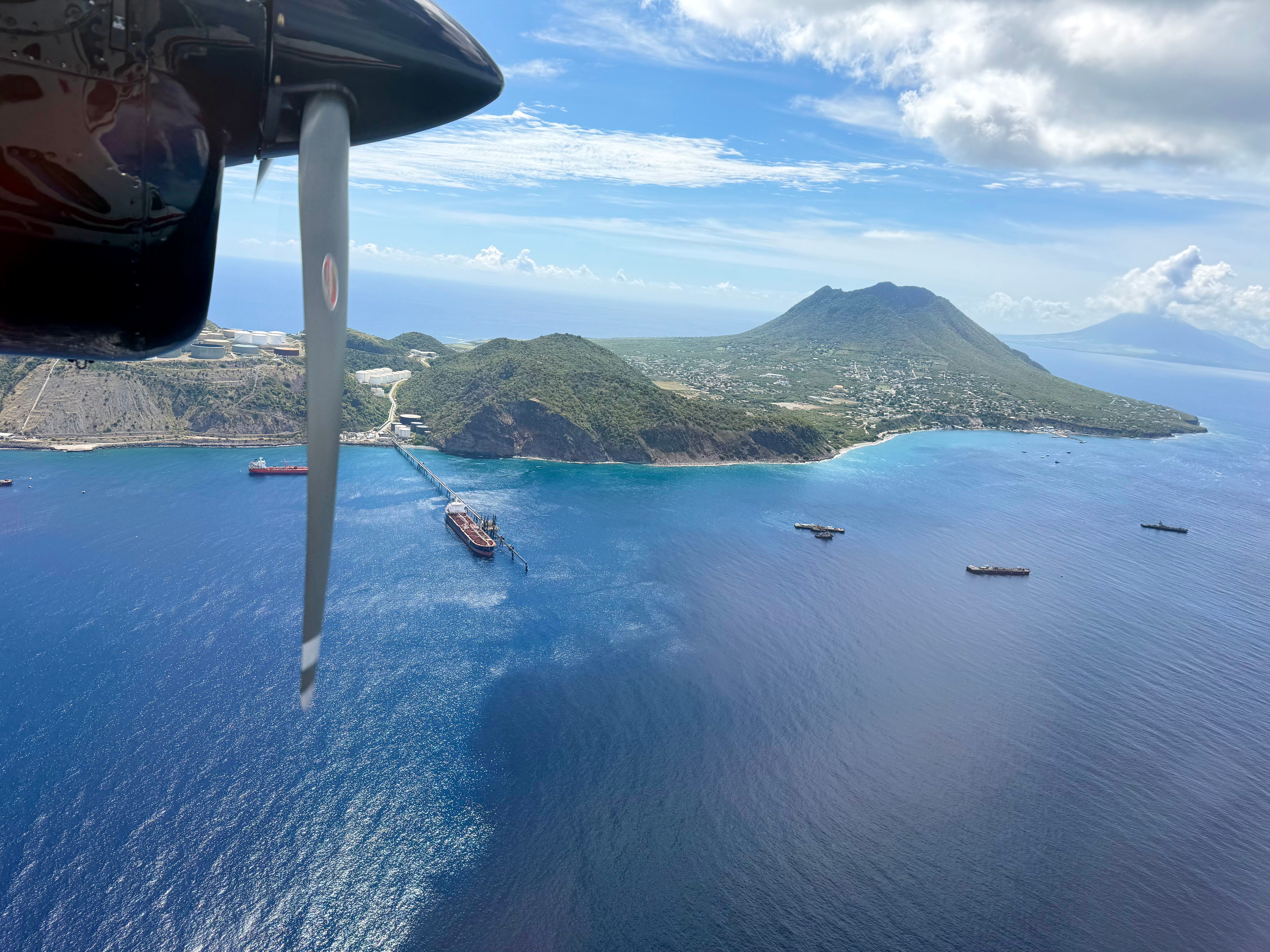
A stranger gives you directions. Someone helps you when you’re stuck. A small moment turns into something memorable because you were there to experience it.
The risk is real. But so is the upside.
This idea played out for me recently in a much smaller way.
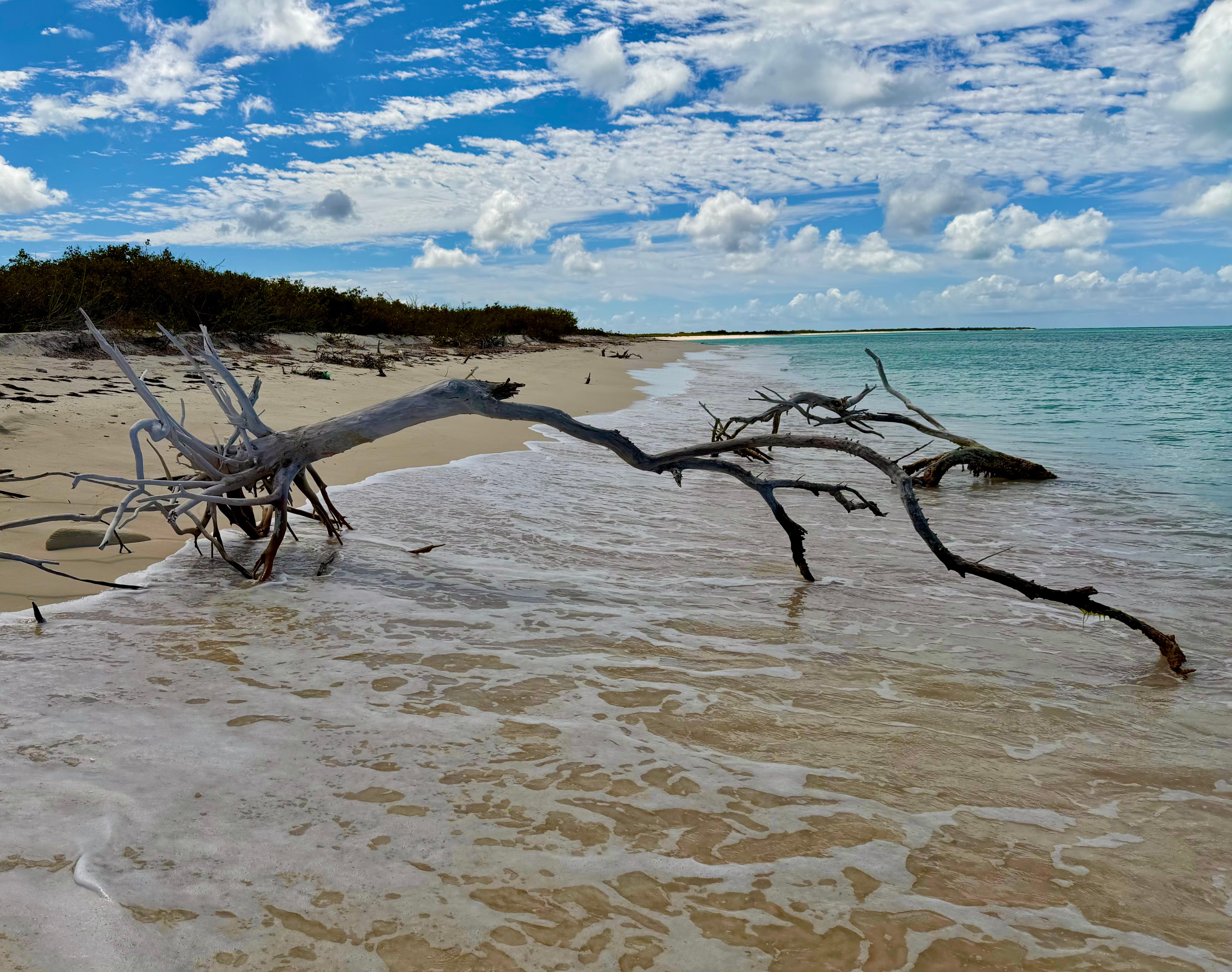
I had a few weeks in between trips, and found myself looking at flights to the Caribbean. It’s not typically my go-to region. I don’t like beaches or resorts. I loathe heat and humidity. People often say there’s “nothing to do” on “those” islands. But I realized there was an opportunity to visit as many islands, territories, and overseas “states” as I could reasonably fit into a single trip…and avgeek out in the best way and fly a bunch of new plane types.
The airfare was reasonable. I had the time. I could plan it without too much friction.
So I went.
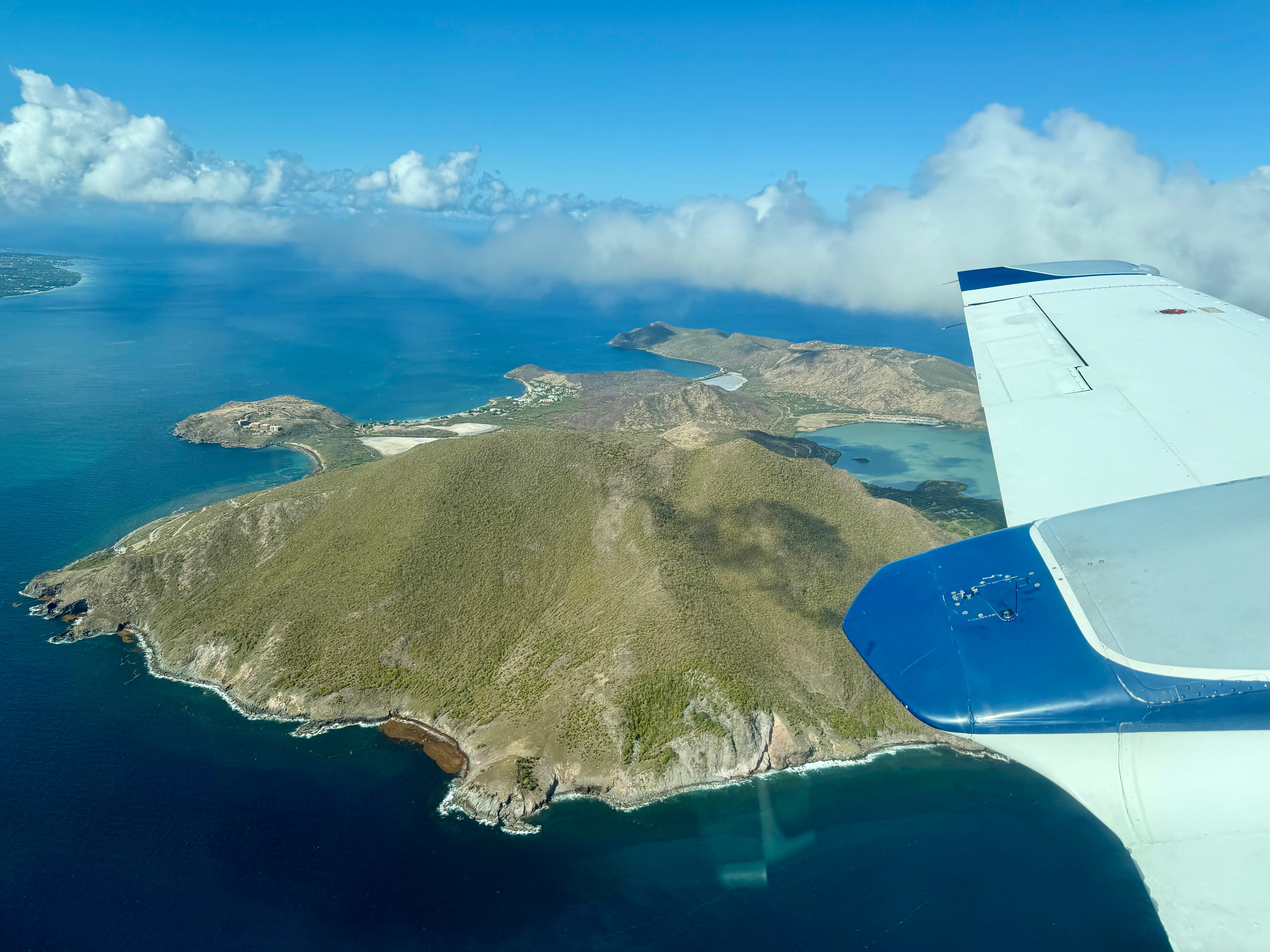
And it turned into one of those trips that quietly reminds you why you do this in the first place. Not because it was perfect. Not because it checked every box. But because it existed. Because it happened. Because I didn’t wait for a better version of the same opportunity that may or may not have come later.
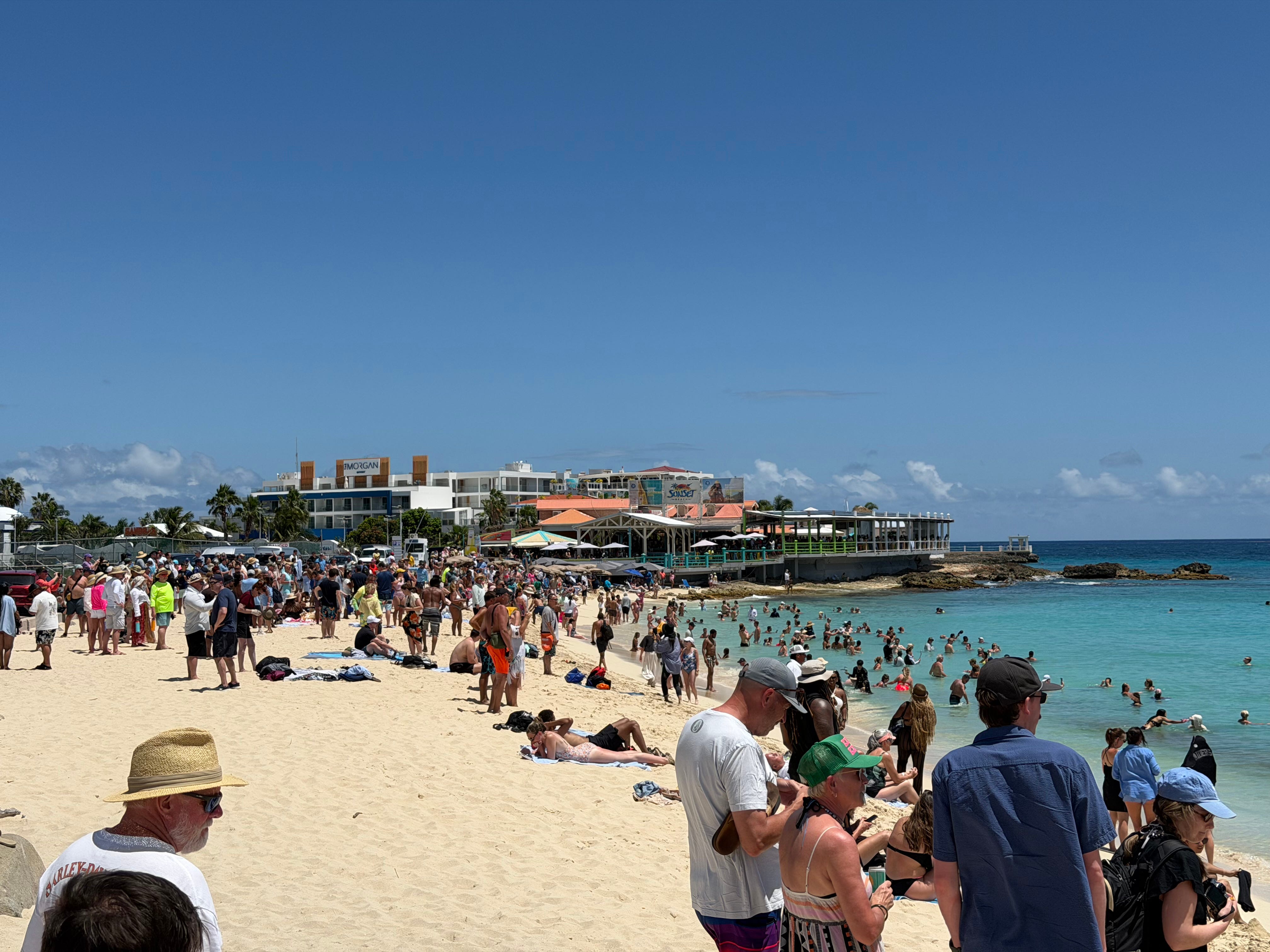
There is also a practical side to all of this that people don’t always like to talk about.
Money doesn’t sit still. It loses value over time. Points and miles get devalued. Award charts change. Hotels get more expensive. The idea that things will simply become more affordable later is, more often than not, wishful thinking. And then there’s the other uncomfortable truth: none of us are getting any younger. We can do more, and for longer, than ever before, but our bodies will eventually start to set limits. I’m a big believer in using every bit of runway we’re given, but that also means recognizing those limits and making the most of our present abilities while we can.
Waiting can cost you more than going.
Which brings us back to the original question.
What are you waiting for?
If the answer is something real, something specific, something that genuinely needs to happen first, that’s one thing. But if the answer is vague…more time, more money, better timing, fewer unknowns…then it might be worth asking whether you’re waiting for something that doesn’t actually exist.
Because the truth is, most trips don’t happen because everything lines up perfectly.
They happen because you decide to go anyway.
The Bottom Line
There will always be a reason to wait.
There will always be a version of the future that looks slightly better, slightly easier, slightly more convenient.
But travel doesn’t reward perfect timing.
It rewards action.
Over to You
What’s the trip you’ve been putting off? And if you’re honest with yourself…why?