
One thing that travel has taught me is that people love to talk about hidden gems.
Every city supposedly has them. Every guidebook ever written promises them. Every YouTube thumbnail claims you’ve been “doing Paris wrong” and reveals the one neighborhood locals don’t want tourists to discover.
The more I travel, the less I even skim those articles. Not because hidden gems don’t exist, but because I don’t think the ones they include are actually hidden or “gems” at all.
Hidden gems? They exist, but not in the way we’re led to believe. So what are they? I think they’re earned.
When I first started traveling, I wanted to see everything I was “supposed” to see. If I flew all the way to Paris, of course I was going to the Eiffel Tower. Rome meant the Colosseum. Sydney meant the Opera House. Berlin meant Brandenburg Gate, the Reichstag, Museum Island and Checkpoint Charlie. Those places are famous for a reason, and I’d still recommend every single one of them to someone visiting that place for the first time.
But something funny happens when you return.
The checklist disappears.
You stop worrying about whether you’ve “covered” a city correctly and start following whatever genuinely interests you about a place, even if it sounds completely ridiculous to everyone else.
Which is exactly how I found myself spending two days in Berlin recently riding suburban trams, tiny ferries and obscure S-Bahn branches instead of standing in another museum queue.
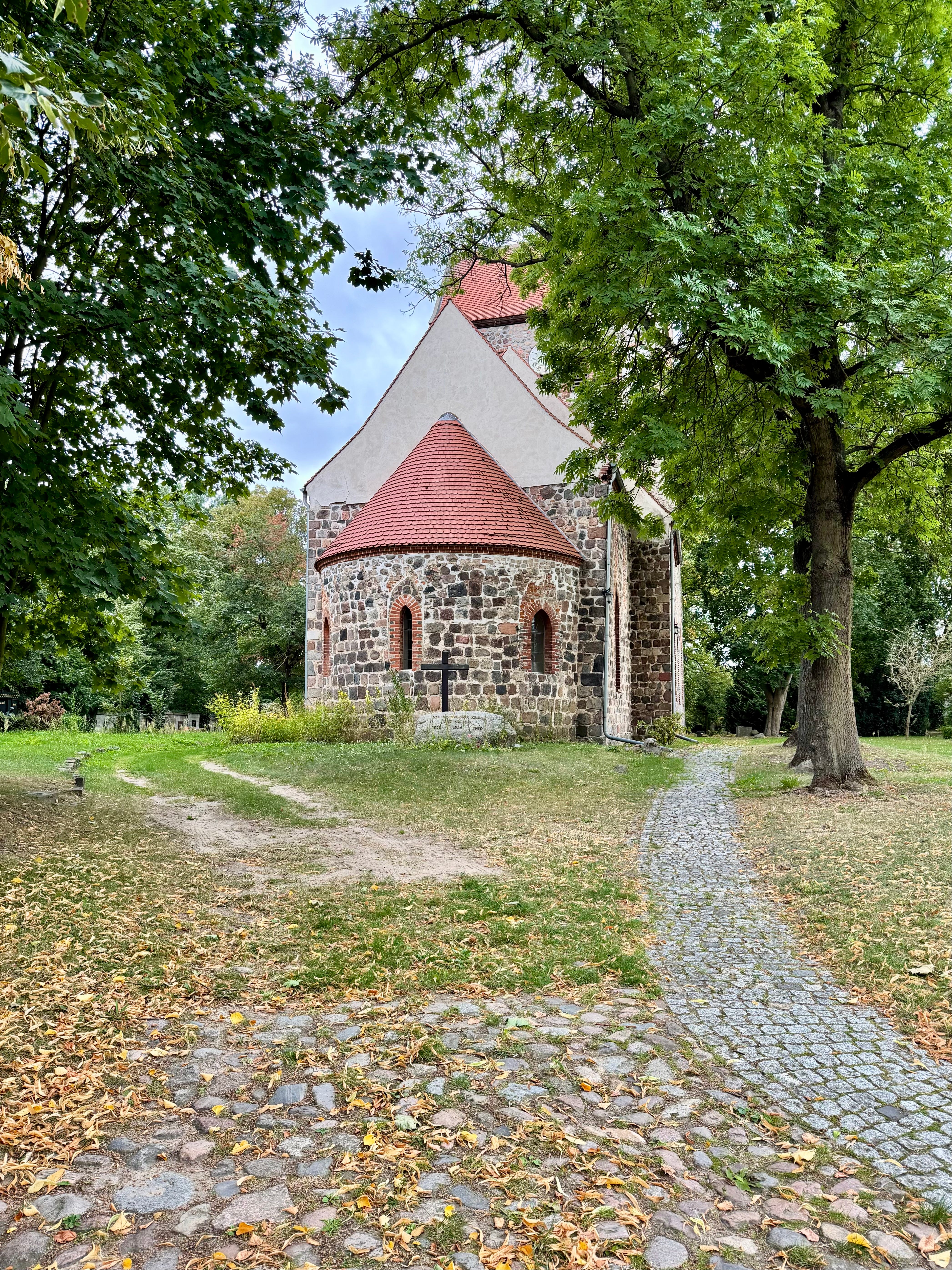
One of my first stops was a tiny medieval church tucked away in Hellersdorf. It isn’t on the postcard racks, the sightseeing buses don’t stop nearby, and I’m pretty sure it never appears on anyone’s list of Berlin’s “must-see” attractions.
Objectively, it’s a small stone church.
Subjectively, it was exactly the kind of place I wanted to see that day.
Somewhere along the way, I stopped measuring cities by how many famous landmarks I could check off and started appreciating the quieter places that tell their stories just as well. See, I think that’s the funny thing about hidden gems. They’re often hiding in plain sight. I think you only start noticing them once you’re no longer looking for the obvious.
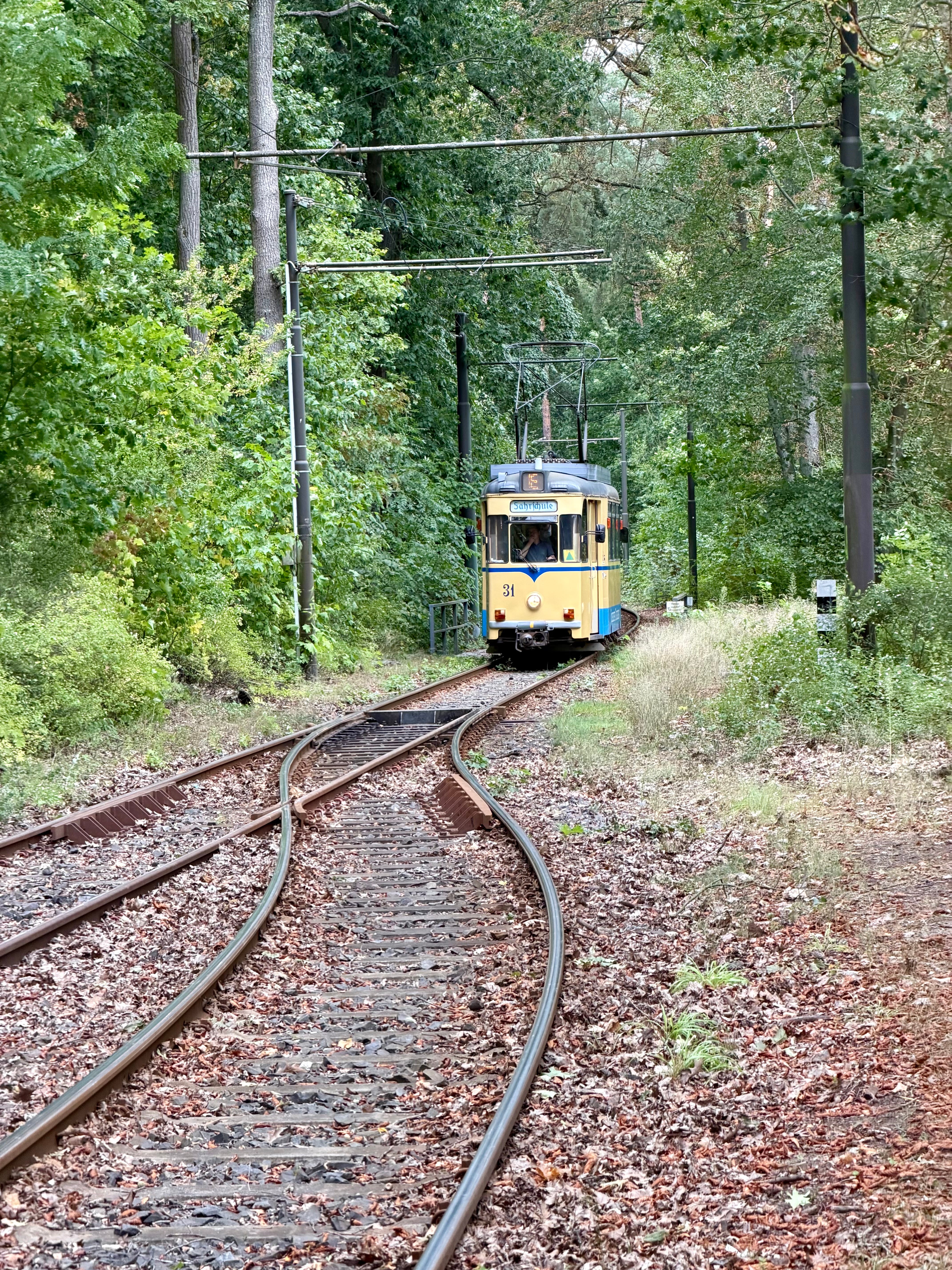
Then…there was Tram 68. On paper, it’s just another public transport line. In reality, it’s one of the most unique and beautiful tram rides I’ve ever taken.
The line has existed in one form or another for more than a century. After leaving the suburbs of Berlin, it slips into the forest, carving its way alongside lakes and through stretches of woodland that make it almost impossible to believe you’re still inside Germany’s largest city.
Ten years ago I probably would have looked at that route map and wondered why anyone would spend nearly an hour riding a tram. Now I was deliberately timing connections so I could ride the entire line from end to end.
Travel changes you in funny ways.
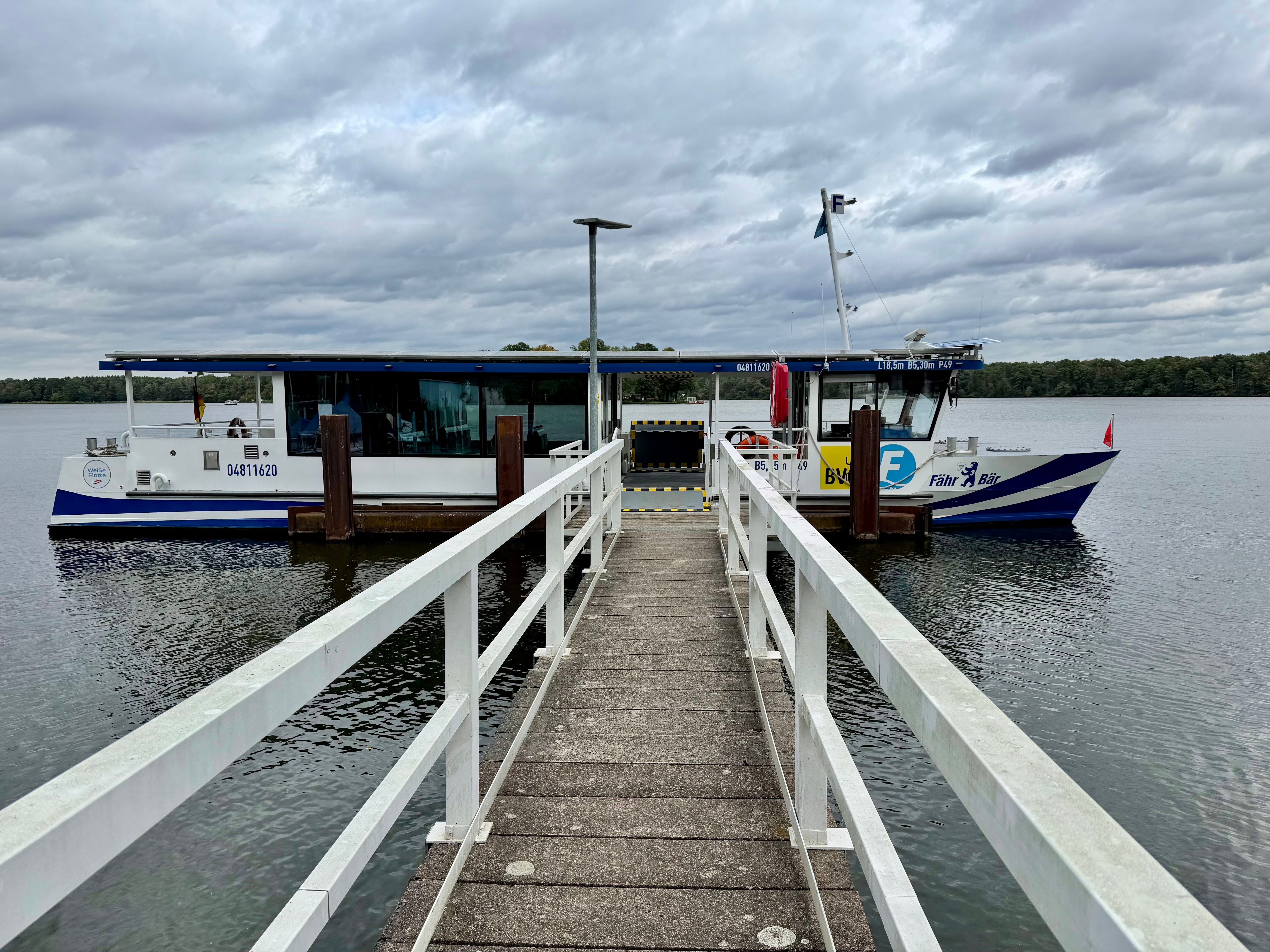
At the end of the tram line, I boarded Berlin’s tiny F21 ferry. Calling it a ferry almost feels generous. I’d imagined something substantial much like the harbour ferries in Sydney. Instead, a little boat appeared that looked more like it belonged to a local yacht club than a major European capital’s public transport system.
I climbed aboard, the entire boat just for me and the guy driving it, crossed the water in just around eight minutes, and suddenly found myself somewhere that felt worlds away from the crowds around the Brandenburg Gate.
It wasn’t glamorous. It wasn’t efficient. It never made a postcard.
It was absolutely wonderful.
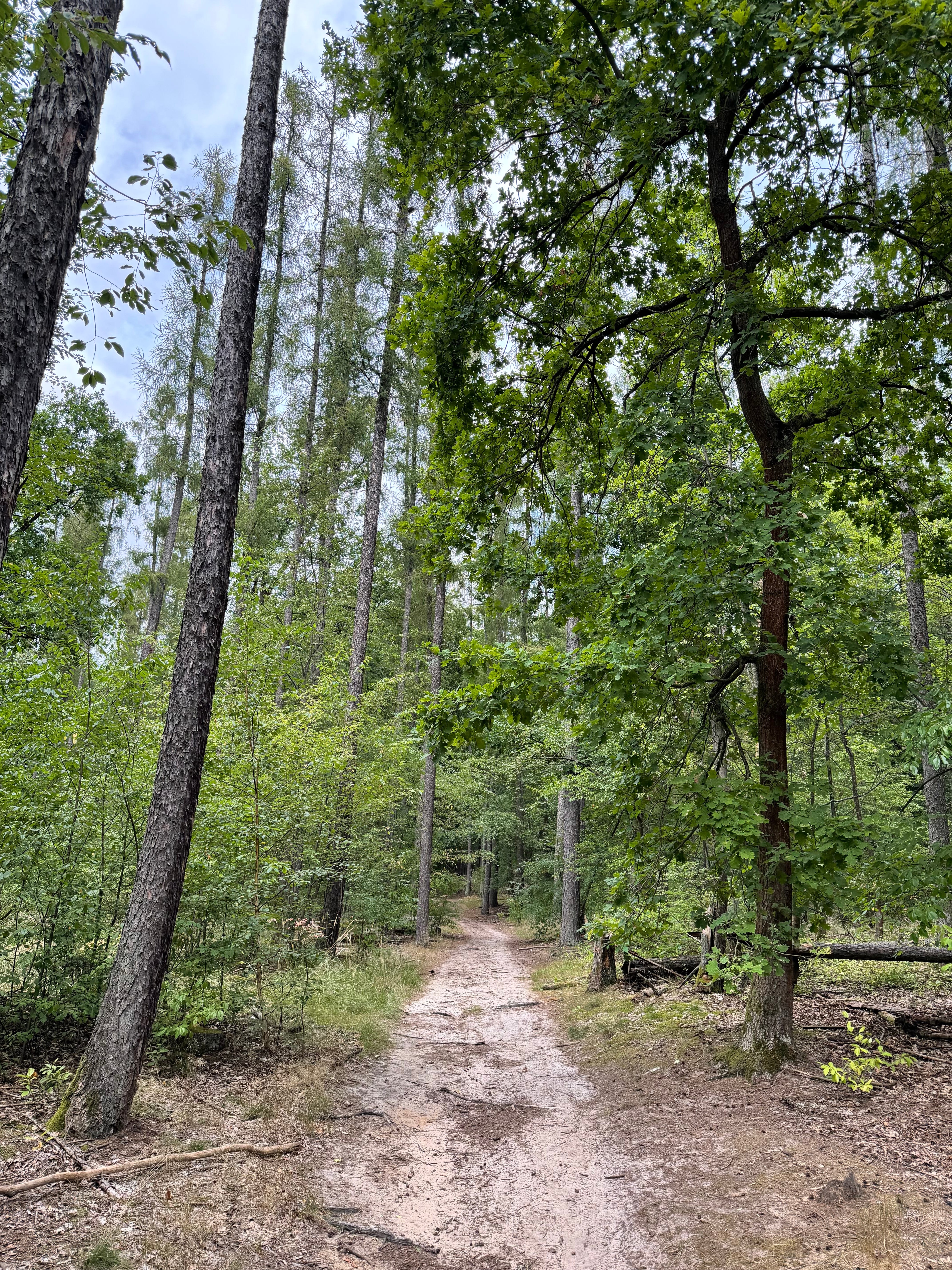
Of course, hidden gems rarely come without a little effort. According to ChatGPT the walk from Krampenburg to Müggelheim to catch a bus and continue on with my journey looked perfectly reasonable.
ChatGPT lied. It got very defensive when I called it out on it.
What I expected to be a pleasant stroll of 10-15 minutes turned into several kilometers through quiet woodland. Somewhere along the way I became extremely grateful for a bench that appeared at exactly the right moment. Eventually, nearly an hour later, I emerged into town, caught a bus, realized I’d accidentally wandered into Berlin’s Zone C transit area because ChatGPT screwed up again, bought another ticket, got caught in a rain shower on the way back, and somehow enjoyed every minute of it.
None of those little inconveniences made the day worse.
They made it memorable.
The stories we tell years later rarely begin with, “Everything went exactly according to plan and OMG it was amazing.” They usually begin with something closer to “you’ll never believe what happened on this trip!”
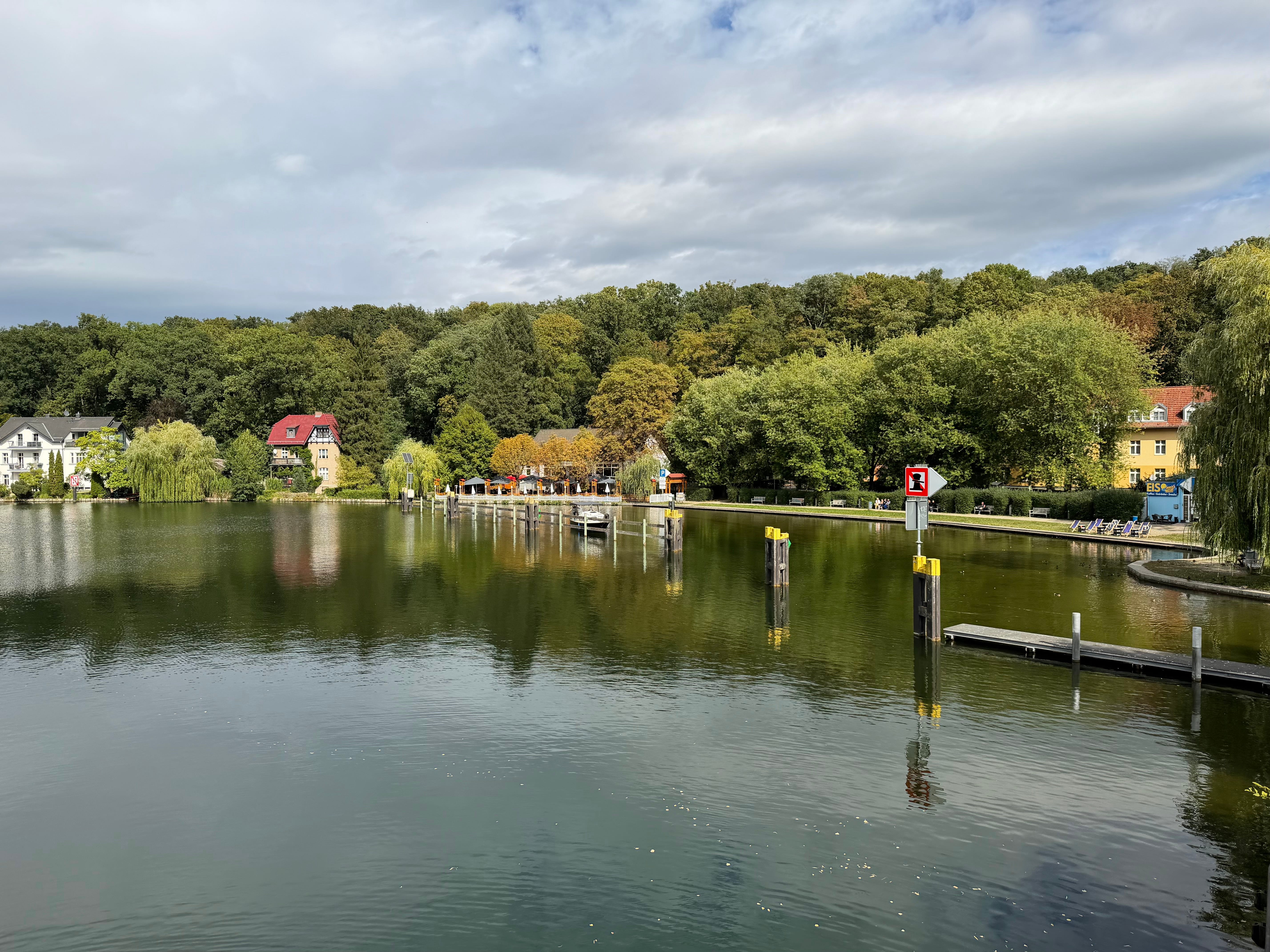
As I sat beside the lake before heading back into the city, it struck me that maybe hidden gems aren’t places at all.
Maybe they’re a stage of travel.
Nobody should skip the Brandenburg Gate because some writer online insists the “real Berlin” is somewhere else. That’s poppycock. Famous places become famous because, more often than not, they’re worth seeing.
But after you’ve visited them...After you’ve taken the photos...After you’ve checked the boxes...Something shifts.
You stop asking, What am I supposed to see?
You start asking, What am I curious about?
That question leads to very different days.
I’ve now been to Berlin dozens of times, and if someone asked me which trip I’ve enjoyed most, It’s no longer as easy as it once was to say “the first one.”
It might be this one.
Not because I discovered Berlin’s best-kept secrets.
The little church had been standing there for centuries before I arrived. Tram 68 has been running through the forest for generations. The tiny ferry has been crossing that stretch of water every day whether tourists notice it or not.
Those places weren’t waiting for me.
They were simply waiting until I became the kind of traveler who finally noticed them.