
Most people’s opinions about danger come not from firsthand experience but from headlines, anecdotes, and algorithms. A single news clip of unrest loops endlessly on social media and CNN, and suddenly an entire country…sometimes an entire region… becomes synonymous with chaos.
But what is danger, really?
Every time you get into a car, you’re statistically engaging in one of the riskiest things you’ll ever do. Yet we do it daily, thoughtlessly, while sipping coffee or scrolling on our phones. We accept that risk because it feels familiar. Familiarity feels safe. The unknown feels dangerous.
The truth is: we mistake unfamiliarity for danger all the time.
📍 Sunset in Pointe-Noire, Republic of the Congo
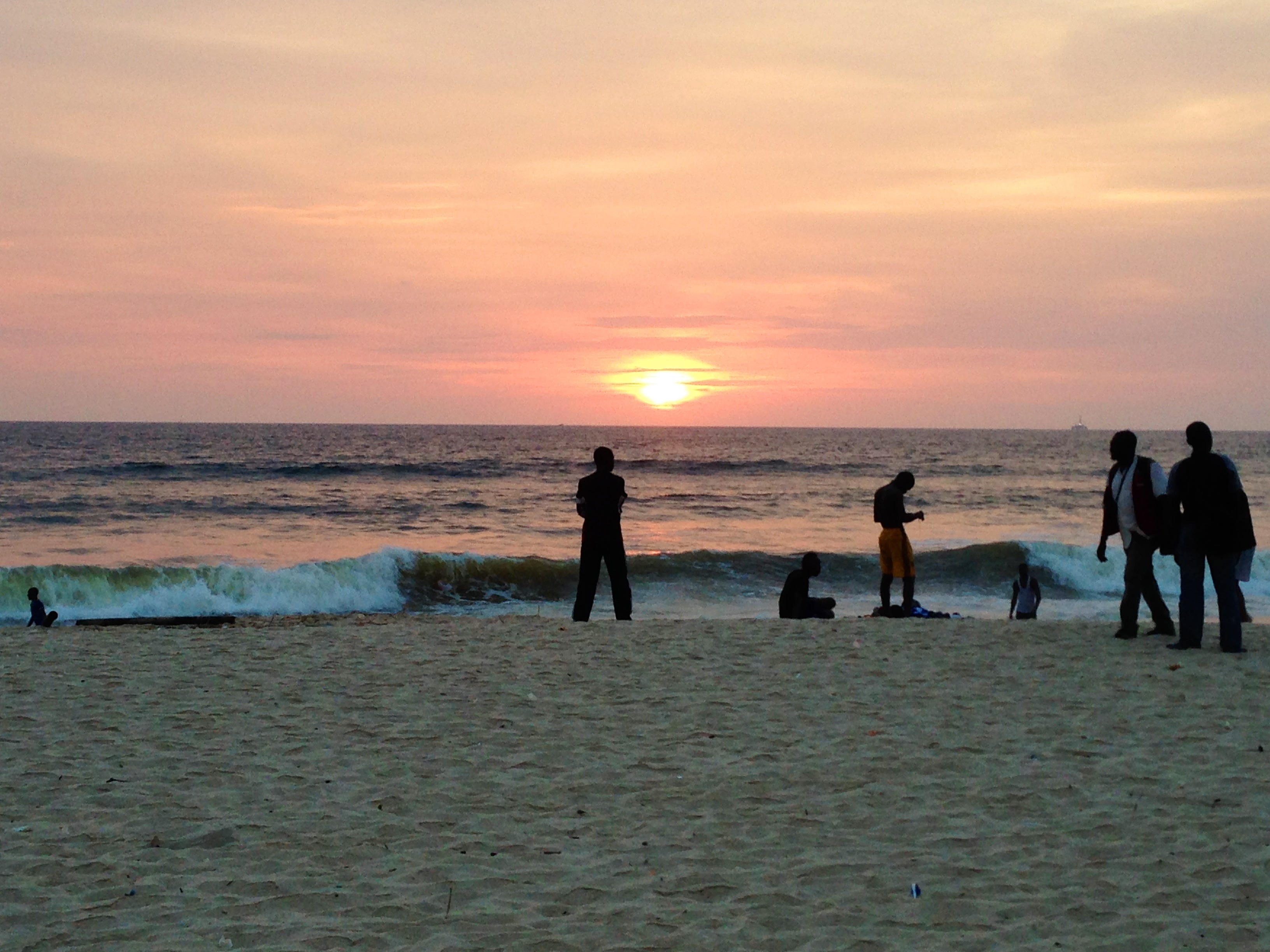
The world is rarely as the headlines make it seem.
When I first told people I was heading to Congo, I got that look…you know the one that’s half worry, half disbelief. “Why would you go there? Isn’t it dangerous?”
But standing on that beach at sunset, surrounded by locals laughing and taking selfies, it hit me: the most dangerous part of travel is the stories we tell about places we’ve never seen.
Everywhere I went, people were just…living. Raising families. Arguing about football. Checking their phones. Existing. Danger wasn’t lurking around every corner, only assumptions were. Sure, there was authentic danger and risk just like there is everywhere…but it is rarely what we’re told it is.
🏛️ Luanda, Angola: the Money Museum and its colorful colonial façades
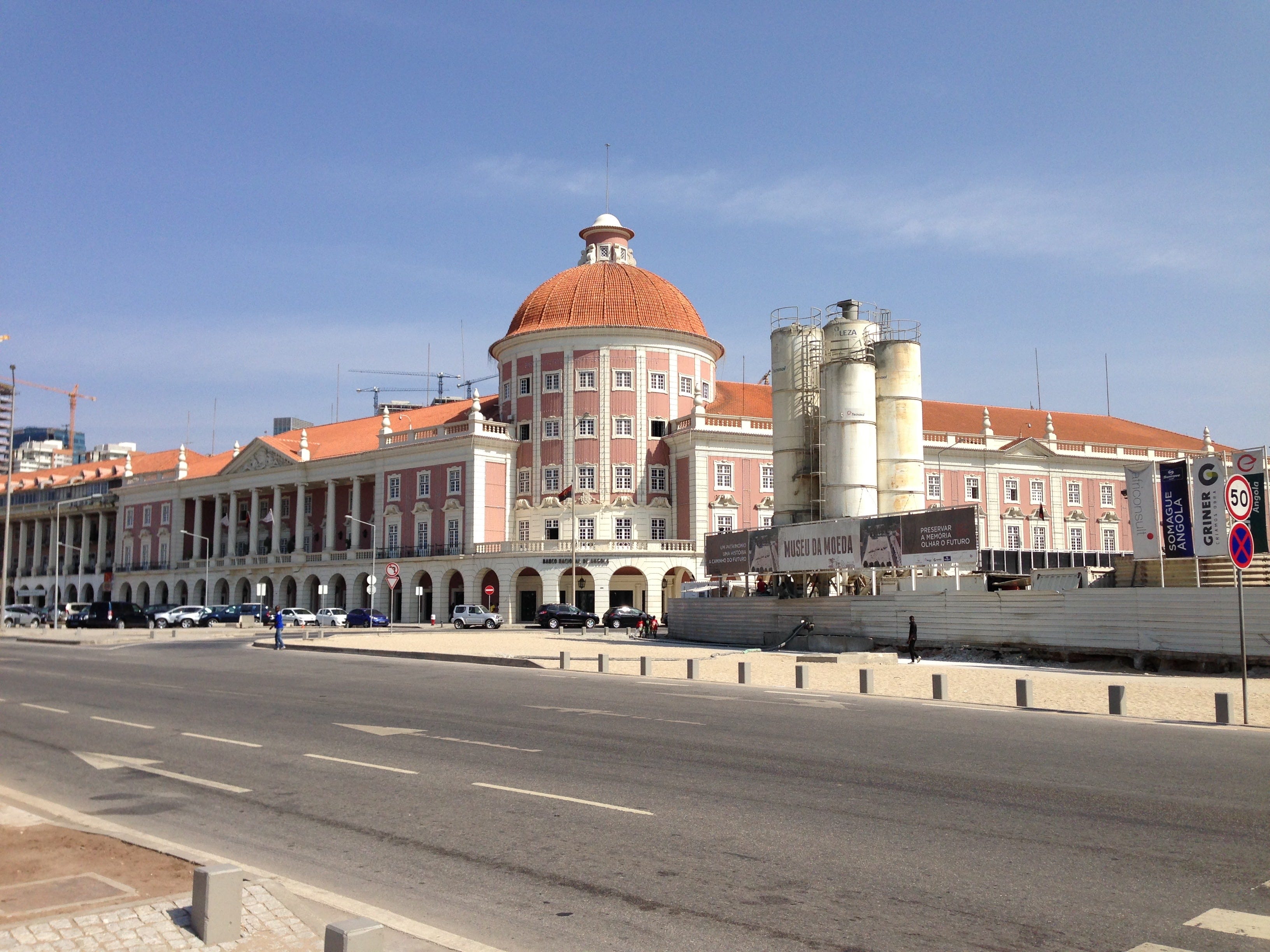
Danger fades in the daylight of understanding.
Angola was another “don’t go there” destination, a name that still carries echoes of war and instability for many. But like so many places, the story had moved on…the media just hadn’t kept up. Did the friend I was traveling with get mugged? Sure did…but who’s to say that wouldn’t have happened in New York City? Or London?
What I found was a bustling capital city where families strolled the waterfront and café patios were filled with people debating politics, music, and the price of groceries. Sure, there are still risks…there are everywhere…but risk isn’t the same as danger. And responsible risk assessment isn’t about avoidance; it’s about awareness.
🕌 Mazar-e-Quaid, Karachi, Pakistan
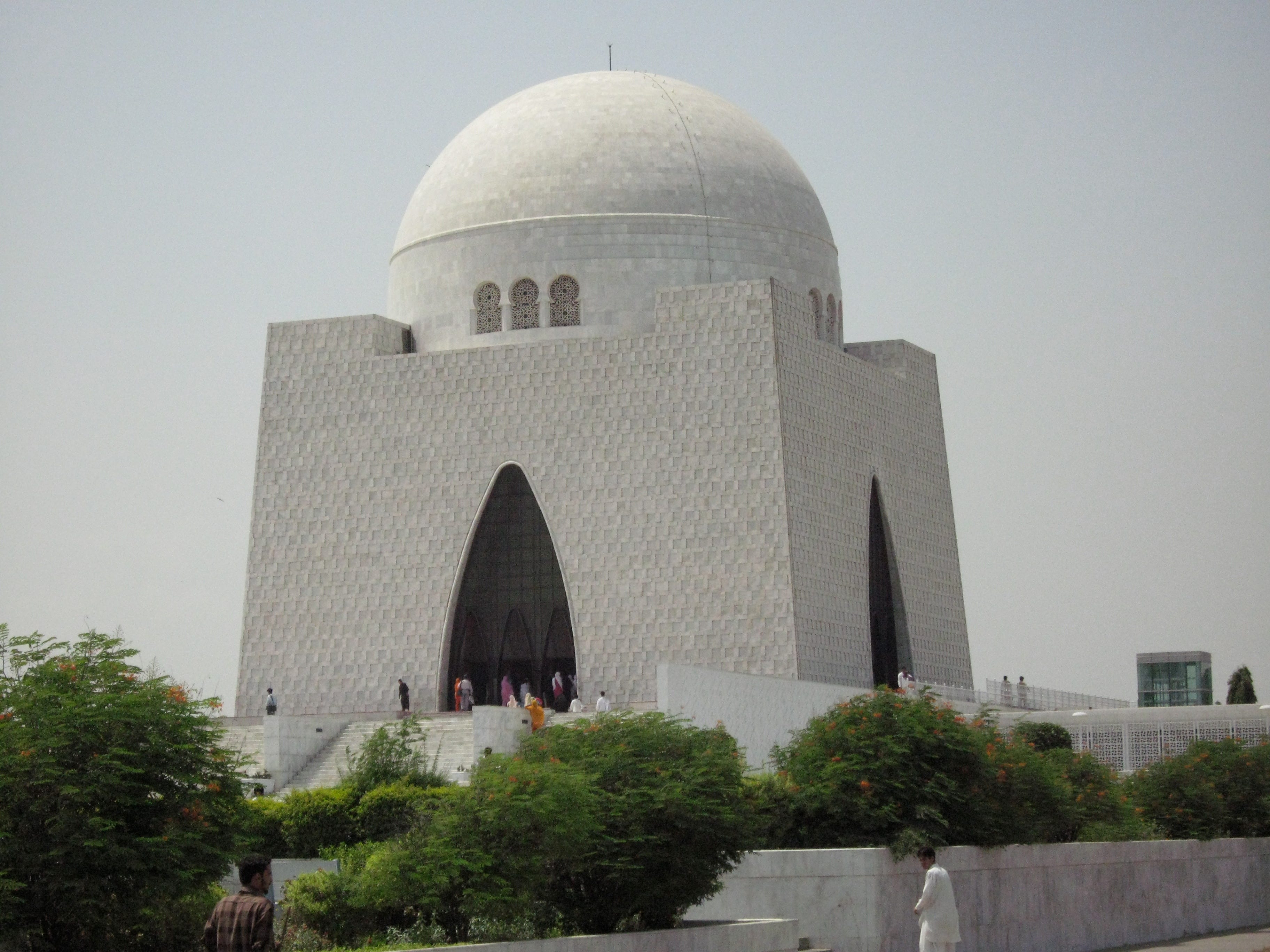
There’s beauty where fear told you to look away.
Pakistan is another country many travelers write off as “unsafe.” Yet when I visited Karachi, the biggest danger I faced was too many mangoes and too many sites to see in the amount of time I had available. People were proud to share their culture, their city, their stories…and genuinely confused why so many outsiders saw only risk instead of richness. Sure, everyone has a story of problems and the Taliban, but that’s different than living in fear 24/7.
Travel doesn’t erase real dangers (political unrest, crime, natural disasters), but it reframes them. It turns abstract fears into tangible realities that you can understand, respect, and navigate. Once you’ve looked someone in the eye and shared a laugh or a meal, it’s a lot harder to reduce their world to a cautionary headline.
💦 Bekhal Waterfall, Kurdistan Region of Iraq
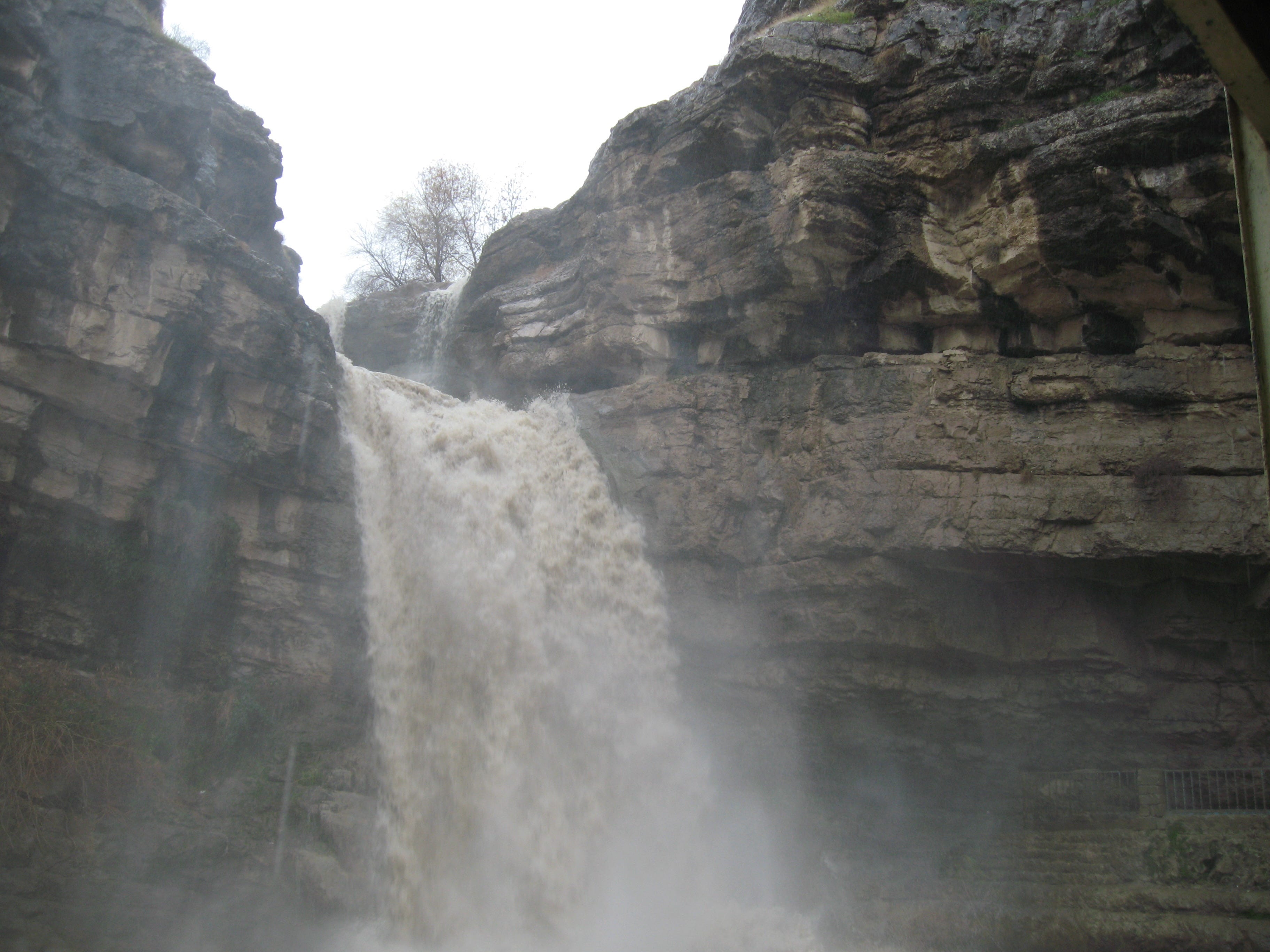
Fear, like water, loses power once it moves.
Iraq is a name that still sparks anxiety for many. But the Kurdistan Region (and even Baghdad to some degree these days) is peaceful, welcoming, breathtaking and shows how even within a country, danger isn’t universal. Context matters. Geography matters. Time matters.
I remember standing by this waterfall, drenched in mist, and thinking: If people could see this, they’d question everything they think they know about this place.
Experience kills fear. Always.
⚖️ So What Is Danger?
Danger is rarely what the headlines tell you it is. It’s not just where something has happened, it’s where you stop thinking critically about what’s actually true today.
It’s in the gaps between perception and reality. Between “what I heard” and “what I’ve seen.”
The real risk? Letting fear write your itinerary.
We live in a world that monetizes fear. Fear drives clicks, fuels outrage, and gives us a false sense of control: “If I avoid that, I’ll be safe.” But travel exposes that illusion. It forces us to reassess risk in personal, grounded ways.
Most of the places people told me were “too dangerous” turned out to be the ones where I found the most humanity. Maybe because when you strip away the noise, what’s left are people trying to live, love, and build something better…just like anywhere else.
✨ Takeaway
You can’t eliminate risk from life, only choose what kind you’re willing to take.
And sometimes, the riskiest thing of all is to believe the story without ever seeing it for yourself.
Because danger might stop you from traveling… but fear will stop you from living.
📣 Your Turn
What’s a place you were told was “too dangerous” that surprised you the most? Share it below because every story that challenges a stereotype makes the world just a little bit safer to explore.
🌍 New stories every Tuesday - reflections from the world’s misunderstood corners and the travelers who go anyway.