
Over the past few weeks, I’ve been writing about risk, about slowing down, about resisting the urge to turn travel into a checklist. This week feels like a natural extension of that idea, because once you accept that you don’t have to see everything, the next question becomes: what does it even mean to see a place in the first place?
It sounds like a simple question, but I’ve spent a few hours thinking about it over the last week and I really can’t come up with a succinct summary.
I went back to Ireland last week for my second trip, but it was my first trip in about fifteen years. Last time I was there I visited Dublin and Belfast. Two cities, two very different identities, two very different experiences… and technically, depending on how you count, two separate countries. At the time, I was all about going to every country, and I felt I’d seen “enough” of Ireland to count it. This trip made it clear how while it made sense at the time, I still had unfinished business.
This trip, after going to Italy and Spain, I headed to Ireland where I started in the west, spending a few days in Galway and Cork. On paper, these pretty common stops for visitors to Ireland, the kind of places people associate with “real Ireland” at least from a city perspective. And in many ways, they delivered. Lively streets, people music spilling out of pubs, that unmistakable Irish energy.
What surprised me, though, was something that in retrospect should have been expected, but I hadn’t given it any thought
The crowds.
Not just crowds, but severely intoxicated crowds. Weekend energy dialed up to a level that felt closer to a major festival than a cultural experience. And layered on top of that, a heavy presence of American tourists. Familiar accents, familiar patterns, a version of Ireland that felt almost like St. Patrick’s Day on steroids, almost exported, almost a caricature of the place.
Then I went north.
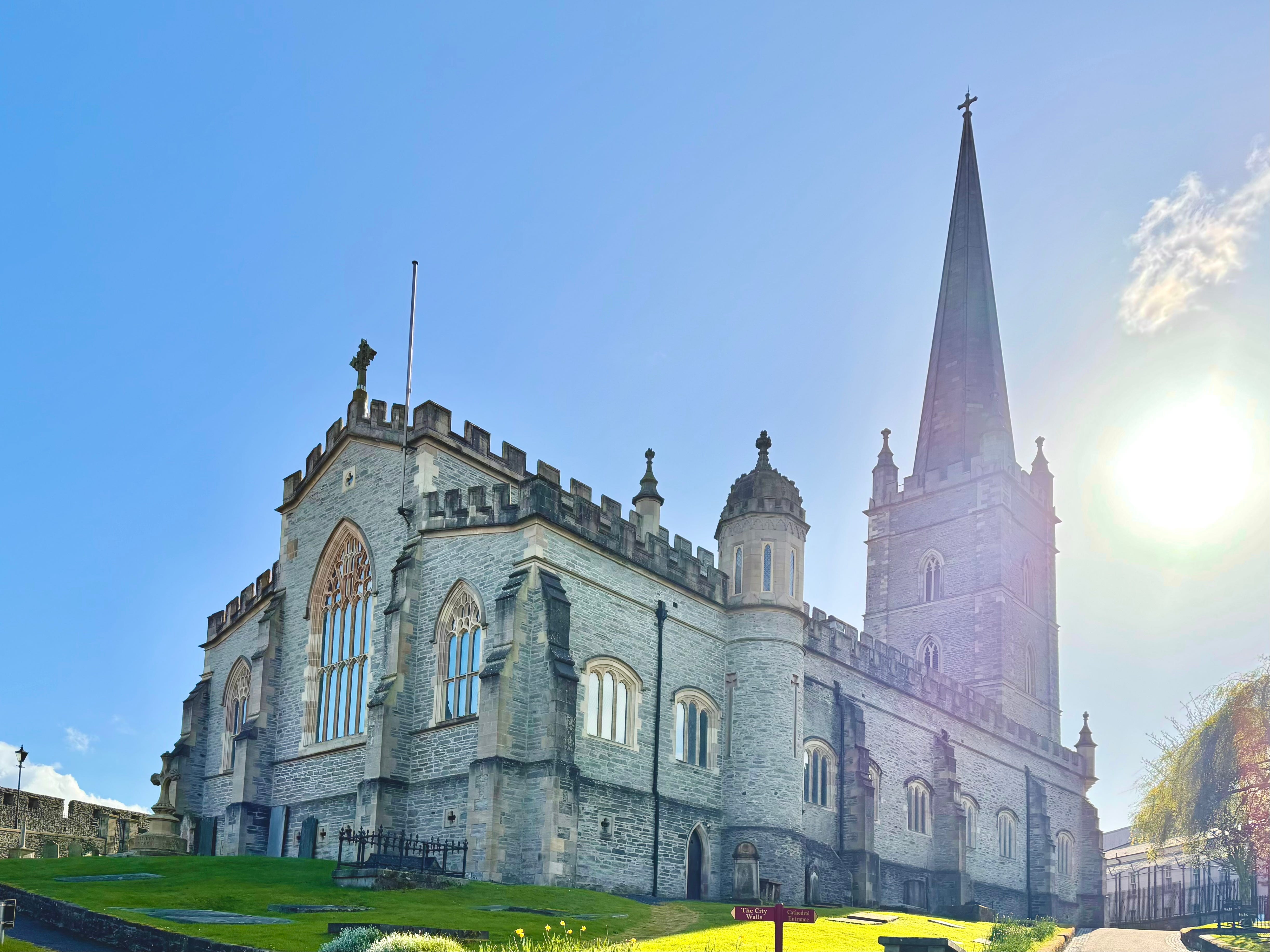
When I got to Derry, it felt different immediately. Still busy, still alive, still social… but the composition of the people I encountered had changed. There were visitors, certainly, but no Americans. More local movement, more regional travel, a different rhythm entirely. Sadly, also, this is where the intoxicated crowds in Galway and Cork gave way to socioeconomic realities…twice I witnessed medical emergencies as a result of drug/alcohol overdoses. That’s not to say that’s what Derry “is,” but it was the Derry I experienced…and at the core of it, that’s what this post is about: depending when you go, where you go within a city/country, you can have vastly different experiences.
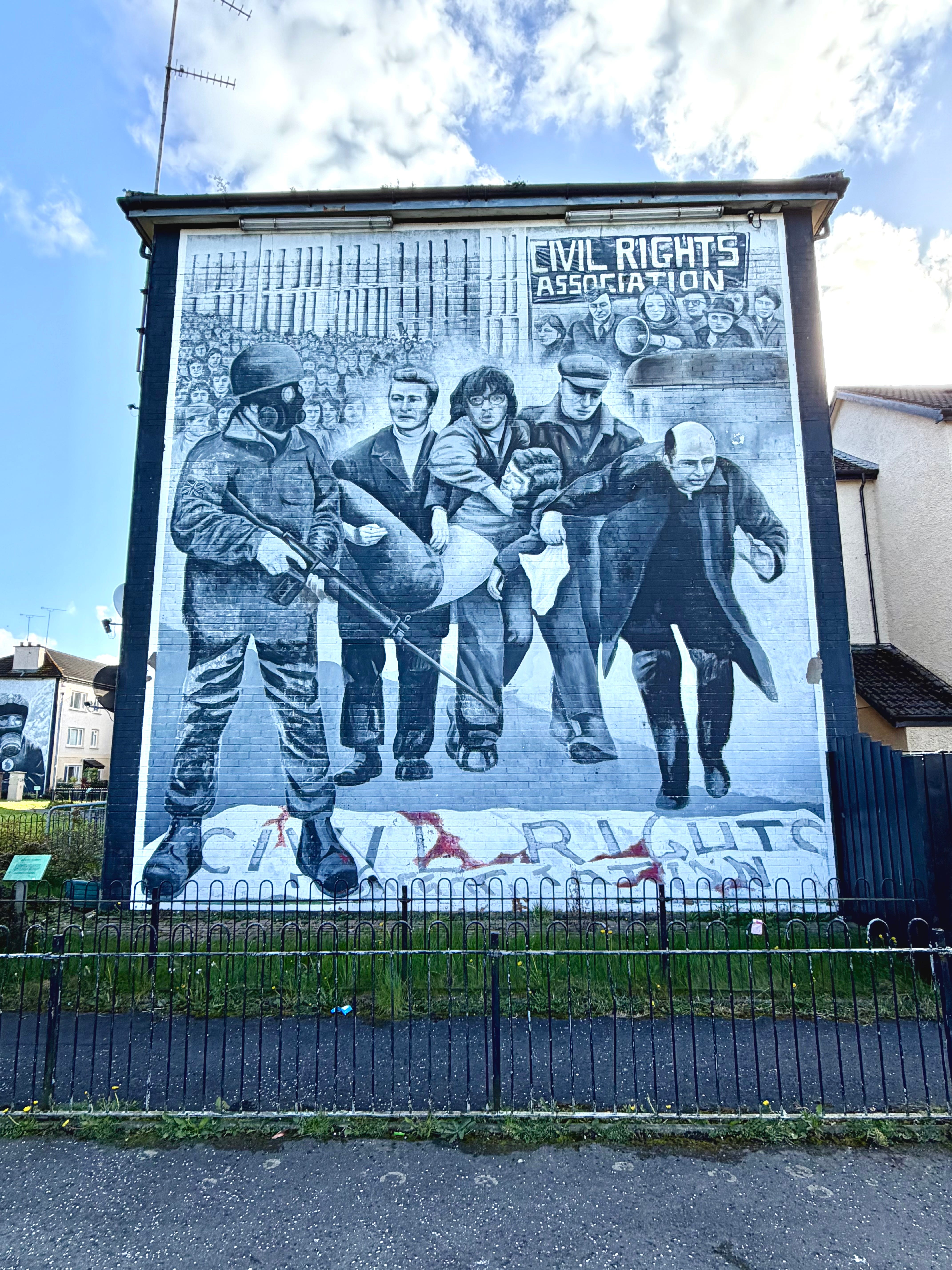
Places like this force you to slow down, even if you don’t intend to. They ask different questions. They tell different stories depending on the parameters of your visit. And they make it very obvious that what you experience in one city…or even two…is only a fragment of country.
I finished the trip in Dublin.
And Dublin, in its own way, brought everything full circle and provided the common link between my two trips to Ireland. Not because it was representative of the entire country, but because it showed yet another version of it.
Crowds again, but this time truly global. Americans, Europeans, travelers from everywhere. A capital city energy that felt both local and international at the same time. Familiar, but still distinct from everything that came before.
So, after this long ramble, what do I think it means to “see” a country?
Because I’ve now spent time in multiple parts of Ireland, across different trips, in different contexts. And I still wouldn’t claim to fully understand it.
This is the illusion of travel at scale.
You can visit 193 countries and still only scratch the surface of each one. You can hit the highlights, the capitals, the major cities…and miss everything in between that actually defines the place.
Or you can do the opposite. Travel slowly. Move overland. Spend time in smaller towns, different regions, less obvious stops. Build a more layered understanding of a single country.
Neither approach is right or wrong.
They are just different ways of engaging with the world.
And this is exactly why I’ve come back, at least in part, to travel “lists.”
Not as a finish line, not as a scoreboard, but as a prompt, because lists force you to go beyond the obvious. They push you to see France as more than Paris. Spain as more than Madrid and Barcelona.
And even within a single trip, they remind you that diversity exists within borders, not just between them.
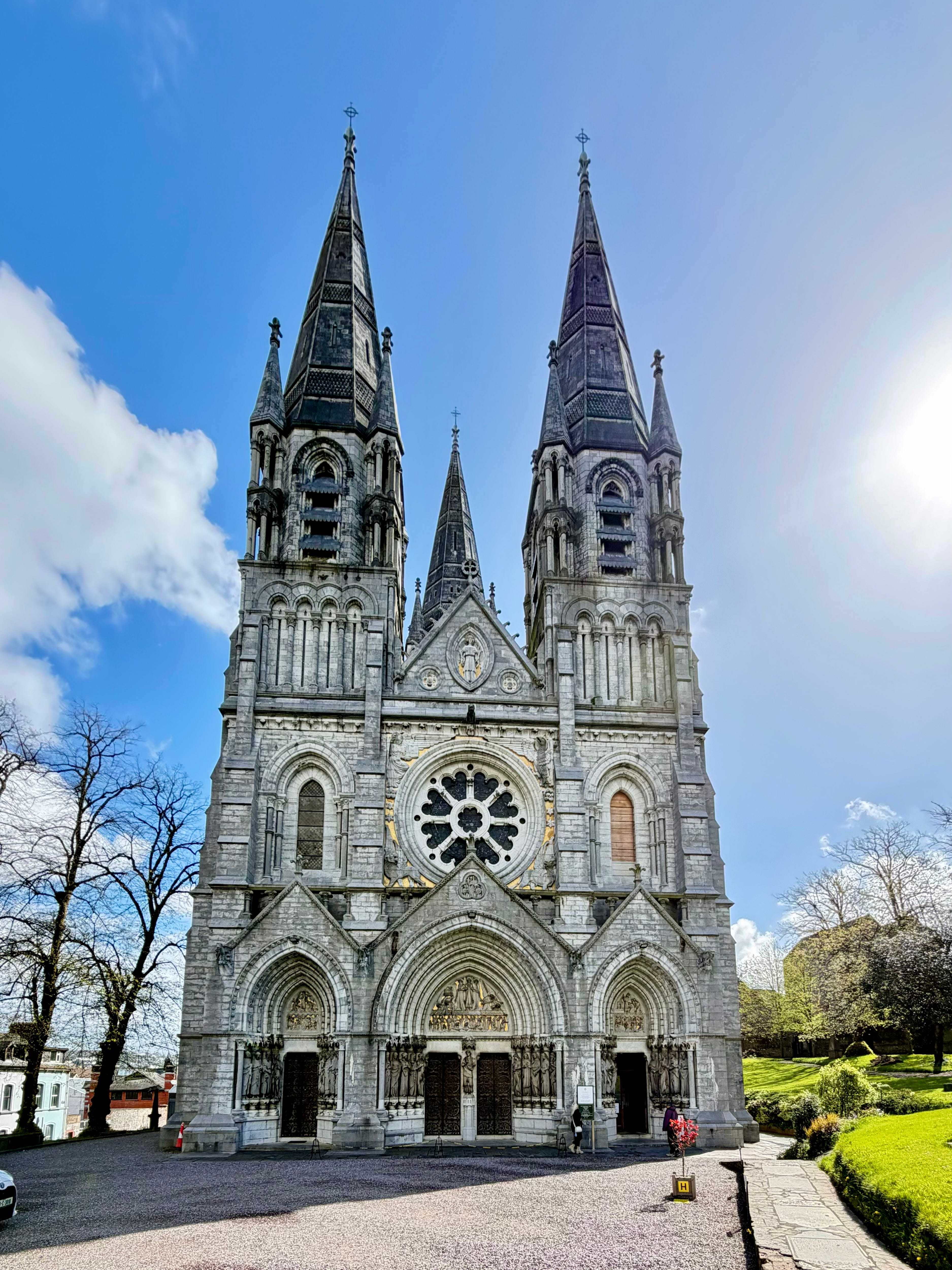
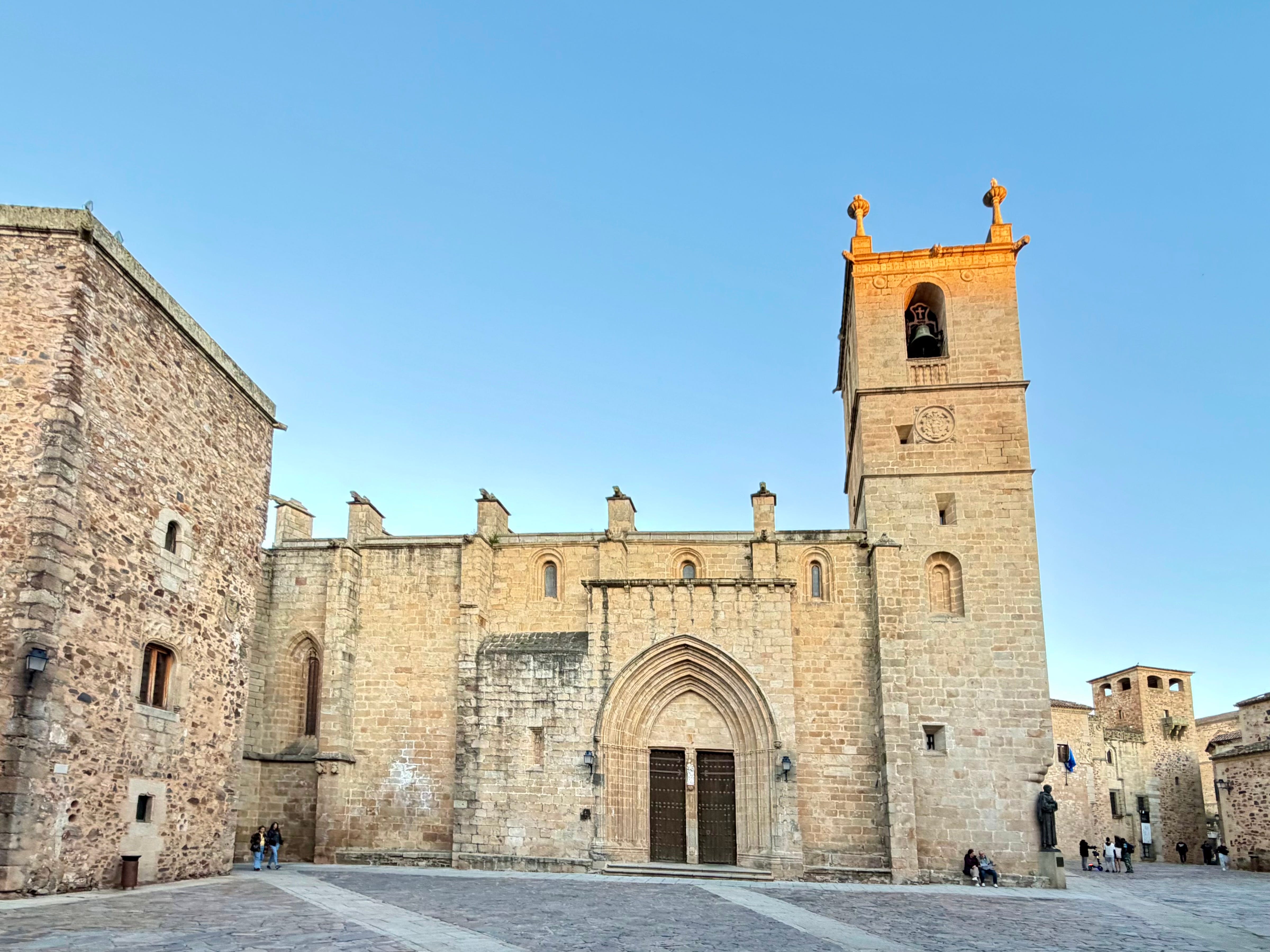
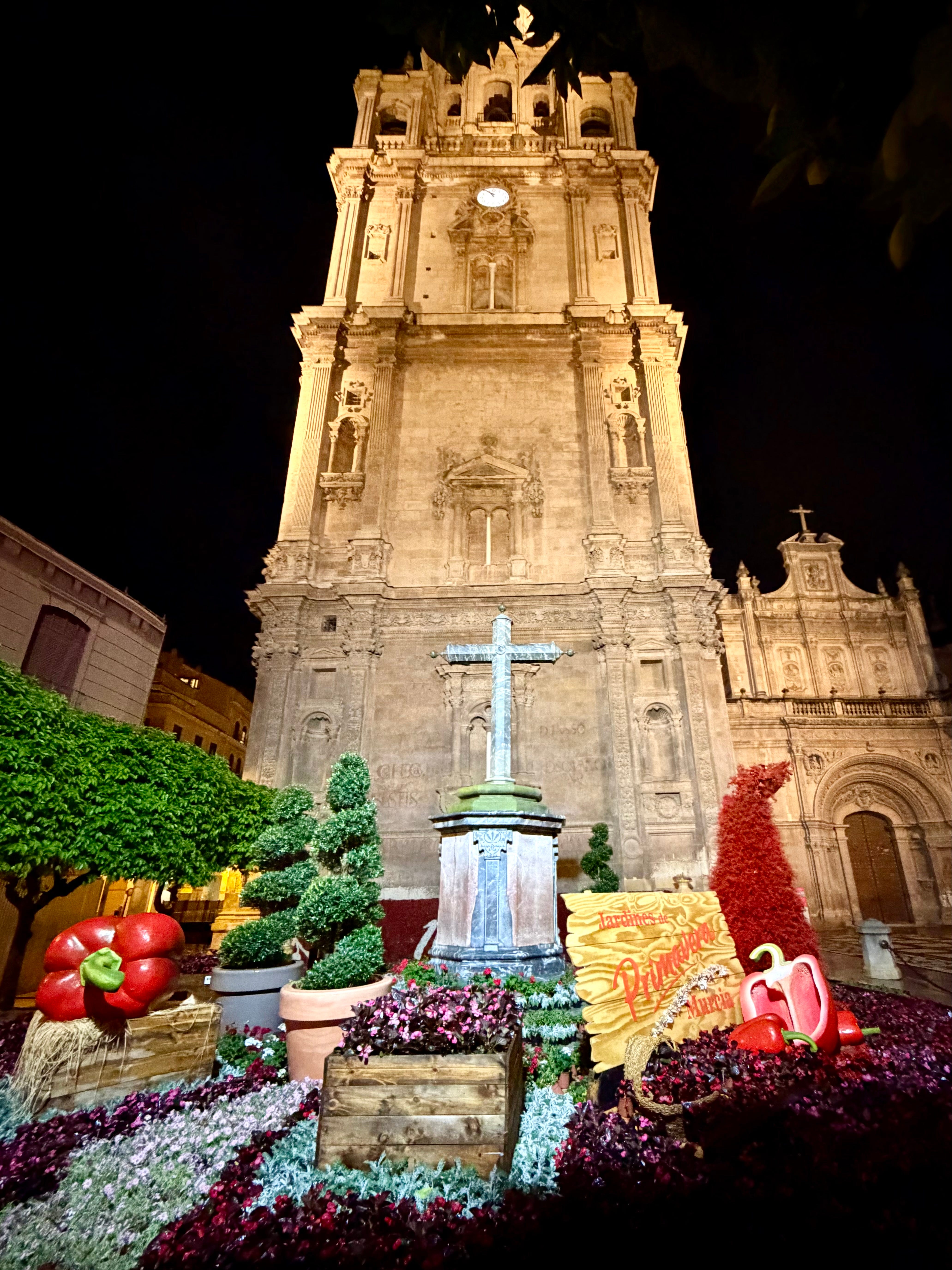
And then there’s places like this:

The United States alone proves the point I’m trying to get at. New York is not Chicago. Chicago is not Alabama. Alabama is not Alaska. Each one could be its own story, its own lens, its own version of what that country is…and depending when you go to each…very different experiences. New York City in July is not New York City at Christmastime.
And yet, we often reduce places to a single experience.
One city. One trip. One impression.
The reality is more complicated, and far more interesting. Because “seeing” a country is not a box you check. It’s a process. One that evolves over time, across trips, across different moments in your life. You don’t finish it.
You build it.
The Balance (Yes, Again)
This brings me back to where we’ve been over the past few weeks. You don’t need to see everything. You can’t see everything.
But at the same time, if you move too quickly, you risk seeing almost nothing at all.
The balance is in how you engage.
Not just how much ground you cover, but how deeply you experience the ground you’re standing on.
Now…Over to You
When you think about a country you’ve visited…how much of it have you really seen?
And what’s a place that completely changed your perception of a country you thought you already understood?