
Last week’s article on risk clearly struck a nerve. It got shared a lot, sparked a bunch of conversations, and (my favorite part) triggered a wave of “yep, learned that the hard way” messages from fellow travelers. That’s how you know the idea landed. Because the truth is, you can’t eliminate risk in travel (or life). The goal is to manage it intelligently so that when things go wrong (and they will - remember the passport story from a couple weeks ago?) you’re not derailed, you’re just…adjusting. (mild chaos, not full meltdown)
So let’s make this practical.
Here are five things you can do right now to meaningfully reduce your travel risk, without turning your trip into a hyper-controlled, joyless operation.
1. Don’t Put All Your Money in One Place
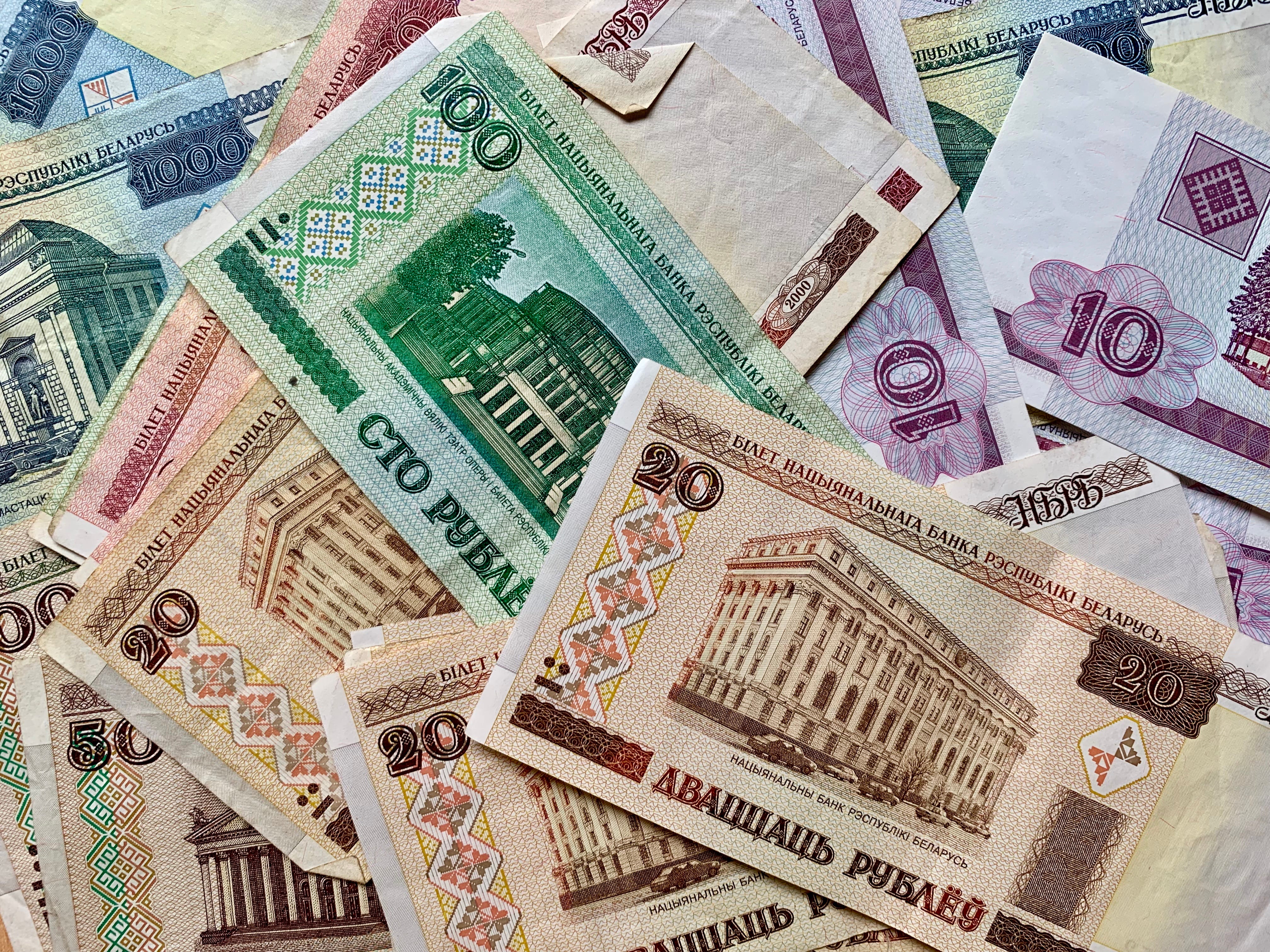
If your wallet or purse disappears…whether you lost it or someone helped it disappear…you don’t want your entire trip disappearing with it.
The fix is simple, and it’s amazing how many people don’t do it: split your resources. Carry your primary wallet as usual, but keep a backup credit card and some emergency cash somewhere separate. That might be your luggage, your hotel safe, or even a different bag.
This isn’t about paranoia, it’s about basic resilience. I’ve seen travelers go from completely stuck to completely fine just because they had a backup card tucked away. Same problem, totally different outcome. One person is canceling their trip. The other is ordering an umbrella drink and figuring out next steps.
Don’t let a single point of failure end your trip. I admit I’ve failed to follow my own advice here multiple times thinking “it won’t happen to me” but travel enough and it eventually will.
2. Back Up What Actually Matters (Not Your Whole Life)

Travel comes with friction. It’s as inevitable as the sun rising and setting each day. Bags get delayed. Things get misplaced. Occasionally, stuff just vanishes into the void.
So the question isn’t “how do I prevent that entirely?”…you won’t. The question is: what can I absolutely not function without?
For most people, that list is pretty short:
Prescription medication
Glasses, contact lenses, or other assistive devices
Essential documents such as your passport
Those are the things worth duplicating or planning around.
What’s not on that list? Your third backup phone. Your second laptop. Your “just in case” tablet. I know people who travel like they’re opening a Best Buy pop-up, and it’s completely unnecessary. If your laptop dies, you log into the cloud on a new one. If your phone breaks, you replace it.
Be thoughtful about redundancy where it matters, but don’t confuse preparation with overpacking. Pro-tip for your passport and other critical docs: always store a PDF copy in the cloud…that way, if it decides to wander off you at least have something to show the police or other officials in the meantime.
3. Tell Someone Where You Are (But Don’t Tell the Internet)
There’s a sweet spot between being completely off-grid and broadcasting your every move to the world.
When you’re doing something even slightly higher risk…remote hiking, long solo drives, unfamiliar areas at night…tell someone you trust where you’re going and when you expect to be back. Build in a little buffer so they don’t panic if things run late, but make sure someone has a general sense of your plan.
At the same time, resist the urge to post everything in real time, especially in places where security is less predictable. Not everyone following you has good intentions, and you don’t need to make it easy for anyone to track your movements.
Share the story later. Experience it fully in the moment. A little bit of discretion goes a long way.
4. Safety in Numbers…But Not a Traveling Circus
There’s truth to the idea that two heads are better than one. Traveling with a companion can make decision-making sharper, provide a second set of eyes, and generally reduce risk.
But there’s a tipping point.
As groups get larger, they become more visible, less flexible, and frankly more chaotic. You’re more likely to stand out, more likely to attract attention, and almost guaranteed to have at least one person making questionable decisions that affect everyone else.
Large groups can also become easier targets. They’re predictable, they move slower, and they often signal “tourist” from a mile away.
Smaller groups, or even pairs, tend to move more intentionally. They blend in better, adapt faster, and keep a tighter awareness of their surroundings.
Travel like a team, not an entire traveling circus.
5. Go Where the Locals Go (With Eyes Open)
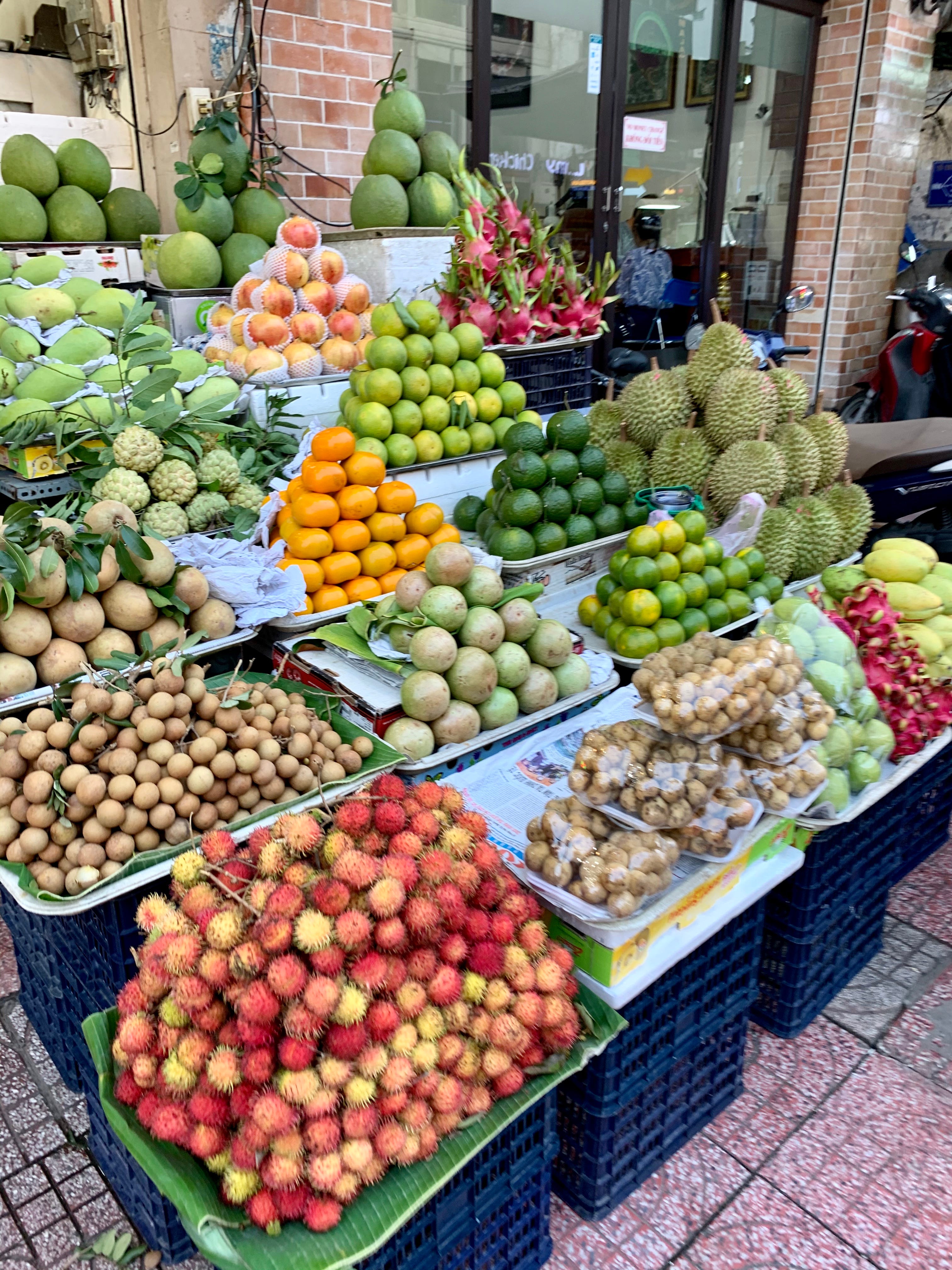

There’s a reason certain places show up in every guidebook. They’re famous, accessible, and designed to handle large volumes of visitors.
They’re also predictable.
And anything predictable (big chain hotels, major tourist restaurants, packed festivals, iconic attractions) can become a natural focal point not just for travelers, but for people looking to take advantage of them.
That doesn’t mean you should avoid these places entirely. Some are absolutely worth seeing. But it does mean you should approach them with awareness.
Balance them out by spending time where locals actually live their lives. Stay in neighborhoods that aren’t built exclusively for visitors. Eat at places that aren’t optimized for tourists. Explore beyond the obvious.
You’ll often find that not only do you feel more grounded and less targeted, you also have a far richer experience.
One small reality check: your immune system is not local. That incredible street food spot might be perfectly normal for residents and a full-blown adventure for you. Ease into it. Your stomach will thank you.
The Bottom Line
Derisking your travel isn’t about wrapping yourself in bubble wrap or eliminating every unknown.
It’s about making a series of small, smart decisions that compound in your favor. So when something inevitably goes wrong, it’s not catastrophic…it’s just an inconvenience.
You’re still moving. Still exploring. Still saying yes.
And that’s the whole point.
Great tips as always - also - lets not forget that credit cards and digital IDS (driving licences and passports) can now be added to your apple wallet.